

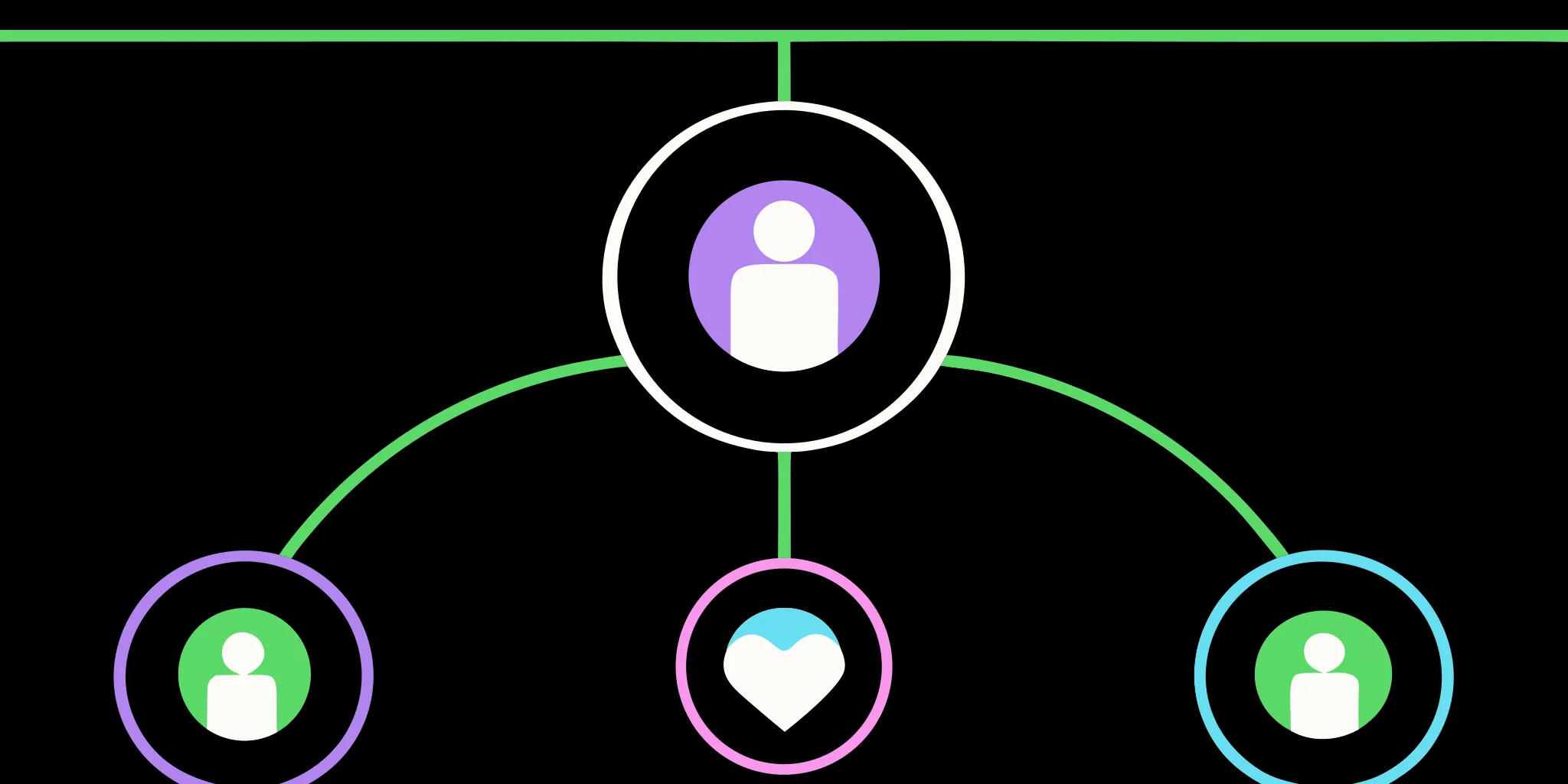









Your nonprofit’s most valuable opportunities are likely hidden in plain sight. They exist within the networks of your board, staff, and most dedicated supporters. The challenge is that these connections are often invisible, locked away in individual address books and memories. This is where relationship mapping comes in. It’s a collaborative process that turns those invisible networks into a clear, visual guide. Instead of guessing who might be a good fit for your cause, you can see the exact pathways to potential donors, partners, and advocates. It’s about working with the warm connections you already have, making your outreach more personal and far more effective.
Key Takeaways
- Frame it as relationship building, not fundraising: Get your team on board by emphasizing that the goal is to identify and nurture genuine connections. This approach encourages more open participation and focuses everyone on long-term community growth instead of immediate asks.
- Start with a specific goal and simple tools: Avoid getting overwhelmed by focusing your first map on a single objective, like an upcoming campaign. A whiteboard or spreadsheet is all you need to get started, helping you find quick wins and prove the concept to your team.
- Commit to regular updates: Your network is always changing, so your map should too. Schedule time each quarter to refresh your map with new information, ensuring it remains an accurate and powerful tool for guiding your outreach strategy.
What Is Relationship Mapping?
Think of relationship mapping as creating a visual guide to your nonprofit's entire network. It’s a collaborative process where your team comes together to identify and organize the connections that exist through your board, staff, and top supporters. At its core, relationship mapping is about understanding relationships, not just listing contacts. It helps you see who knows whom, revealing hidden pathways to potential new donors, partners, and volunteers that you wouldn't find in a simple database. By visualizing these connections, you can turn a flat list of names into a dynamic map of opportunities.
Its Core Purpose and Why It Matters
The goal of relationship mapping is simple: to brainstorm and capture as many quality connections as possible so you can figure out how to strategically engage them. It’s important to set the right tone from the start. This isn’t about creating a list of people to immediately solicit for donations. Instead, it’s about identifying and cultivating genuine relationships. As funding sources change, having a deep understanding of your network can provide the stability your nonprofit needs. It allows you to build a sustainable pipeline of support by nurturing the connections you already have through channels like social direct messaging.
Key Relationships Your Nonprofit Can Map
Relationship mapping works by showing the links between individuals, organizations, and causes, helping you see who is closest to your mission. You can start by mapping the networks of your most dedicated supporters. Think about the connections held by your board members, staff, and major donors. These individuals are often linked to community leaders, foundations, and corporate sponsors who could become valuable partners. By exploring these existing networks, you can uncover warm introductions to people who are more likely to support your cause. Many successful nonprofit campaigns begin by leveraging these kinds of trusted, pre-existing relationships.
How Does Relationship Mapping Work?
Relationship mapping might sound like a complex corporate strategy, but it’s really just a focused way to understand and visualize your nonprofit’s network. It’s about looking at who you and your team know, and more importantly, who they know. Breaking it down into a few simple steps turns it from an intimidating task into an empowering exercise. By following this process, you can systematically uncover hidden connections and create clear pathways to new supporters, partners, and funding opportunities that were previously just out of reach.
Step 1: Identify Your Key People
First things first, this is a team sport. Your initial step is to bring together the people who hold your organization’s core relationships. This includes your board members, key staff, and even some of your most dedicated volunteers. Schedule a meeting and ask everyone to brainstorm a list of their connections, both personal and professional. The goal is to get all the names out on the table. Think beyond just donors; include community leaders, business owners, and anyone who might have influence. This collaborative exercise helps you build a comprehensive picture of your collective network, ensuring no valuable connection is overlooked from the start.
Step 2: Define Your Connection Types
Once you have a list of names, the next step is to add context. A name on its own doesn’t tell you much, but understanding the type of connection is where the magic happens. At its core, relationship mapping is about connections, not just contacts. Go through your list and categorize each relationship. Is this person a current major donor, a potential corporate sponsor, a community influencer, a former colleague of a board member, or a volunteer? Defining these roles helps you understand the nature and strength of each link. This process allows you to prioritize your outreach and tailor your approach for more meaningful and effective supporter engagement.
Step 3: Create a Visual Map
Now it’s time to bring your network to life. A list of names and categories is useful, but a visual map is where you’ll start to see the real opportunities. You don’t need fancy software for this, though it can certainly help. You can start with a large whiteboard, sticky notes, or a simple spreadsheet. The goal is to draw lines between individuals and your organization, as well as between the connections themselves. For example, you might draw a line from a board member to a local business owner they know. This visual representation makes it easy to spot clusters of influence and previously hidden pathways to key decision-makers.
Step 4: Analyze Your Map for Opportunities
With your visual map complete, you can begin the most important step: analyzing it for opportunities. Look for the strongest paths to potential new supporters. Who in your network can make a warm introduction to that foundation you’ve been wanting to connect with? Is there a board member who has a close relationship with a leader at a potential corporate sponsor? This is where you brainstorm and determine how to strategically approach these connections. The map becomes your guide, helping you focus your resources, make smarter asks, and build the authentic relationships that are essential to a successful fundraising strategy.
Why Is Relationship Mapping So Important?
Relationship mapping is a game-changer for nonprofits. It moves you beyond knowing who your supporters are to understanding how they're connected to your mission and to each other. This shift from a simple contact list to a dynamic network view is where the real power lies. It helps you see hidden opportunities, strengthen existing bonds, and build a more resilient community around your cause. By visualizing your network, you can stop guessing and start making informed decisions that lead to more funding, deeper engagement, and greater impact. It’s about working smarter, not just harder.
Improve Team Collaboration
Fundraising isn't just the development team's job. Relationship mapping brings everyone to the table. It’s a collaborative exercise that pools the collective network of your entire organization, from board members and staff to dedicated volunteers. When you map these connections together, you break down internal silos and create a shared sense of ownership over your organization's growth. It becomes clear how everyone's connections fit into the bigger picture. This unified view helps everyone see how they can contribute, fostering a stronger team.
Make Smarter Strategic Decisions
A relationship map is your strategic guide to building meaningful connections. Instead of a scattered approach to outreach, you can see the clearest paths to potential supporters. The map helps you brainstorm quality connections and then decide how to best engage them. It’s important to set the right tone: this isn't about immediately asking for donations. It's about identifying and cultivating relationships first. This strategic approach helps you prioritize your efforts on introductions that lead to long-term support. It transforms your fundraising from a series of asks into a sustainable relationship-building process.
Use Your Resources More Effectively
Every nonprofit leader knows that time and money are precious. Relationship mapping helps you make the most of both. By focusing on warm introductions through your existing network, you can cut down on the time and expense of cold outreach. This targeted approach leads to better results. When you integrate this practice with your CRM, you create a powerful system for tracking interactions and deepening donor relationships over time. You’re not just chasing one-time gifts; you’re building the infrastructure needed to accelerate your mission’s success and secure sustainable funding.
Where Can You Apply Relationship Mapping?
Relationship mapping is more than just a chart you create once and forget. It’s a dynamic tool that can be applied across your organization to make your work smarter, not harder. Think of it as a lens that brings your network into focus, revealing pathways to new opportunities you might have otherwise missed. From securing major gifts to building a more engaged community, mapping helps you move from guesswork to a data-informed strategy. It’s about understanding the human connections at the heart of your mission and using that knowledge to build stronger, more meaningful relationships. By integrating this practice into your daily operations, you can transform how you approach fundraising, outreach, and networking.
Your Overall Fundraising Strategy
At its core, relationship mapping is a powerful tool for your fundraising efforts. It helps you see the connections between your board, staff, and current supporters and potential new funding sources. Instead of starting from scratch, you can identify warm pathways to major donors, corporate sponsors, or foundations. This collaborative exercise shifts the focus from cold contacts to genuine connections, making your asks more personal and effective. By mapping these relationships, you can build a sustainable pipeline of support and create a more strategic fundraising plan that leverages the network you already have.
Community and Supporter Engagement
Relationship mapping isn't just for finding donors; it's also for building a vibrant community. Many team members hesitate to participate because they think it’s just about asking for money. It’s important to set the tone that this is about cultivation, not just solicitation. A map can reveal who in your network can introduce you to community leaders, potential volunteers, or passionate advocates for your cause. These are the people who can amplify your message and deepen your impact. By understanding these connections, you can nurture relationships through personalized outreach, like direct messaging, turning passive followers into active supporters.
Personal and Professional Networking
This process also strengthens your team’s networking efforts. Your board and staff members have extensive personal and professional networks, but they may not always see how those connections align with your nonprofit’s goals. Relationship mapping makes these links visible. It helps you uncover hidden connections to potential partners or influential figures, facilitating warm introductions instead of cold outreach. When a board member can see exactly how their former colleague is connected to a target foundation, making that introduction becomes a natural and easy next step. This turns networking from a daunting task into a collaborative and strategic team effort.
The Right Tools for Relationship Mapping
Once you’re ready to start mapping, the next question is always, "What tool should I use?" The good news is that you have options, and you don’t need to invest in expensive software to get started. The best tool is the one your team will actually use, and it can range from a simple spreadsheet to your existing donor database or a specialized platform. The key is to find a solution that fits your organization's budget, technical comfort level, and specific goals.
Many nonprofits find that starting small is the most effective approach. You can begin with a manual method to understand the process and get your team on board before committing to a more complex system. As your needs grow, you can explore more powerful tools. The most important thing is to choose a system that helps you visualize connections and identify opportunities, rather than one that just creates more administrative work. Think of it as finding the right home for your data, a place where it can be easily accessed, updated, and used to build stronger supporter relationships.
Using Your Existing CRM
For many organizations, the best place to start is with the tool you already have: your constituent relationship management (CRM) system. Your CRM is likely the central hub for all your donor data, so it’s a natural fit for housing relationship information. Leveraging your current system is often the single best way to streamline operations and deepen donor connections without the disruption of a new implementation. You can use custom fields, tags, or note-taking features to log connections between your supporters, board members, and prospects. While a CRM might not offer the slick visual maps of specialized software, it keeps all your information in one place, making it accessible to your entire team.
Specialized Mapping Software
If you’re looking for more advanced features, specialized relationship mapping software might be the right choice. These platforms are designed specifically to help you visualize and analyze your network. They often include features that automatically pull in public data, suggest potential connections, and create interactive maps that make it easy to see pathways to new funders or partners. For example, some tools allow you to see how your board members are connected to potential grantmakers, which helps facilitate warm introductions. This option is ideal for larger organizations or those with complex networks that need a powerful, dedicated tool to manage their connections effectively.
Simple Manual Methods and Templates
You don't need a fancy tool to map your relationships effectively. Simple, manual methods can be incredibly powerful, especially when you're just starting out. At its core, relationship mapping is a collaborative exercise that helps your team identify the connections that already exist within your community. You can use a shared spreadsheet, a physical whiteboard during a team meeting, or free mind-mapping software. The goal is to get the information out of people's heads and into a shared space. This approach is budget-friendly and encourages the hands-on participation that is so crucial for getting your team invested in the process. The value comes from the conversations and discoveries, not the software itself.
Common Challenges to Prepare For
Jumping into relationship mapping is exciting, but like any new initiative, it can come with a few hurdles. The good news is that these challenges are common, and with a little preparation, you can handle them smoothly. Thinking about these potential bumps in the road ahead of time will help you create a process that works for your team and your mission, setting you up for long-term success.
Getting Your Team to Participate
It’s common for staff and board members to feel a bit hesitant when you first introduce relationship mapping. They might worry it’s just another way to build a list of people to ask for money. The best way to get everyone on board is to frame the initiative correctly from the very beginning. Make it clear that this process is not about soliciting donations; it’s about identifying and cultivating relationships. When your team understands the goal is to build a stronger, more connected community, they’ll feel more comfortable and motivated to contribute their knowledge. You can start by building a strong board culture centered on ambassadorship, not just fundraising.
Avoiding Data Overload
When you start mapping, you might suddenly feel like you’re drowning in data. You’ll uncover connections, histories, and details that can quickly become overwhelming. The key is to start simple. Don't try to map every single connection at once. Instead, focus on a specific goal, like a current campaign or a new program, and map the key relationships related to that initiative. You can always expand later. Using simple data visualization tools, even a spreadsheet with color-coding, can help you see patterns without getting lost in the details. Remember, the goal is clarity, not complexity.
Working with Limited Time and Resources
Let’s be honest, "free time" isn't a phrase you hear often in the nonprofit world. The idea of adding another project to your plate can feel impossible. But relationship mapping isn't meant to be an extra task; it's a tool to make your existing work more effective. By understanding your network, you can focus your outreach efforts where they’ll have the most impact, saving you time in the long run. If you’re implementing a new system like a nonprofit CRM, integrating relationship mapping from the start can streamline the entire process and ensure you get the most out of your investment.
Keeping Your Map Up to Date
A relationship map is a living document, not a one-time project. People move, change jobs, and form new connections, so your map needs to reflect those changes to stay useful. If you don't have a plan to maintain it, your map will quickly become outdated. To avoid this, schedule regular check-ins, perhaps quarterly or after a major event, to update your map with new information. Assigning a point person to own the map can also create accountability. This ongoing effort ensures your map remains a powerful tool for tracking key performance indicators and guiding your strategy.
Best Practices for Effective Relationship Mapping
Once you have the right tools and a basic understanding of the process, you can focus on making your relationship mapping efforts truly effective. Like any strategy, its success depends on how you approach it. Simply creating a map isn't enough; you need a thoughtful plan for how you'll build it, use it, and maintain it over time. These best practices will help you turn your relationship map from a simple diagram into a powerful tool for growing your nonprofit’s network and deepening supporter connections. By following these steps, you can ensure your efforts are focused, sustainable, and aligned with your organization's most important goals.
Start with a Clear Goal
Before you add a single name to your map, ask yourself: What are we trying to accomplish? Without a clear objective, relationship mapping can quickly become an overwhelming data-entry project. Your goal could be anything from identifying potential new board members to finding warm introductions for a capital campaign. Defining your purpose from the start helps you focus your efforts and keeps your team motivated. Think of it like any other major project; a strategic implementation is the best way to streamline your work and build the infrastructure you need to deepen donor relationships. A specific goal makes it easier to measure success and keeps the entire process grounded in what matters most: your mission.
Focus on Cultivation Before Solicitation
It’s easy for team members to feel hesitant about relationship mapping if they think it’s just about asking their contacts for money. Frame the process differently from the beginning. As explained in Prosper Strategies, "relationship mapping is not about soliciting, it’s about identifying and cultivating." The primary goal is to understand your network and find pathways to build genuine connections. You’re looking for people who can offer advice, make an introduction, or become a champion for your cause. By focusing on cultivation first, you take the pressure off and encourage more open participation from your staff and board. The ask comes much later, after you’ve built a real, meaningful relationship.
Visualize Your Network and Update It Regularly
The real power of relationship mapping comes from seeing your network in a visual format. Creating data visualizations helps you spot connections and opportunities that you’d miss in a simple spreadsheet. Whether you use software or a whiteboard, seeing the web of relationships laid out can spark new ideas and strategies. However, a map is only useful if it’s accurate. Your network is constantly changing as people switch jobs, make new connections, and move. Schedule regular check-ins, perhaps quarterly or before a major campaign, to update your map with new information. This turns your map into a living document that reflects your current reality, not an old snapshot.
Measure Your Progress and Adjust Your Plan
How do you know if your relationship mapping is working? You need to track your progress. A successful strategy doesn't end on the day you create the map; it evolves. Just as you would with a new CRM, you should continue measuring performance by tracking key indicators. You don’t need complex analytics here. Start with simple metrics like the number of new meetings secured through introductions, the number of key prospects you’ve engaged, or the growth in your network over six months. Reviewing this data helps you see what’s working and where you need to adjust your approach. It also provides concrete results you can share with your team and board to show the value of your efforts.
Common Mistakes to Avoid
Relationship mapping can be a powerful tool, but a few common missteps can keep it from delivering results. By being aware of these potential pitfalls from the start, you can set your team up for success and build a map that truly works for your organization.
Don't Overcomplicate Your First Map
When you first start, it’s easy to get overwhelmed by the possibilities and try to map every connection you can think of. Resist that urge. The goal isn't to create a perfect, exhaustive chart on day one. Instead, focus on simplicity and clarity. Start with a specific campaign or fundraising goal in mind. Your initial map should be a tool to help you brainstorm and capture quality connections, not a complex project that slows you down. You can always add more detail later. A simple whiteboard or spreadsheet is often the best way to begin before you even think about specialized software.
Avoid Treating It as a One-Time Task
One of the biggest mistakes is treating your relationship map like a project with a finish line. A map is only useful if it’s current. People change jobs, join new boards, and develop new interests. Your map should be a living document that reflects these changes. Make it a habit to revisit and update your map regularly, perhaps quarterly or before a major campaign. Integrating this process into your team meetings and CRM workflows ensures it becomes a sustainable practice rather than a forgotten document. This continuous effort is what turns a simple chart into a dynamic strategic asset for your nonprofit.
Look Beyond Formal Connections
It’s natural to start by mapping formal relationships, like your board members, staff, and major donors. But stopping there leaves a huge amount of potential untapped. The most valuable insights often come from informal or indirect connections. Think about the personal networks of your team and supporters. Who do they know from community groups, previous jobs, or social circles? These second or third-degree connections can reveal passionate individuals who are close to your mission but not yet on your radar. The key is to map relationships to your cause, not just your organization.
Make Sure Your Team Is Trained and Involved
Relationship mapping is a team effort, but it can feel intimidating. Some team or board members might worry that it’s just a sneaky way to get them to solicit their friends and family. It’s crucial to set the right tone from the beginning. Emphasize that the primary goal is to identify and cultivate relationships, not to immediately ask for money. Provide clear guidance and create a collaborative space where everyone feels comfortable sharing their connections. When your team understands the "why" behind the process, they become active participants in building a powerful network of supporters.
Start Mapping Your Relationships Today
Getting started with relationship mapping doesn’t require expensive software or a massive, time-consuming project. It’s really about shifting your perspective. At its core, relationship mapping is about understanding the human connections that power your mission, not just listing contacts in a database. By taking a few simple, intentional steps, you can begin to uncover the hidden opportunities within your existing network. The goal is simple: brainstorm and capture as many quality connections as possible, then figure out how to strategically engage them. You can start this process today with a whiteboard and your team.
Ready to give it a try? Here’s a straightforward way to begin. First, gather a few key people, like board members, dedicated volunteers, and program staff. Before you start, it’s important to set the right tone. Make it clear that this exercise is about identifying and cultivating relationships, not creating a list for immediate asks. This approach encourages open brainstorming and focuses everyone on long-term growth. Once you have your group together and have set the stage, you can move on to the fun part: actually visualizing your network and finding those first few opportunities to act on.
Your First Steps to Mapping
Start with a whiteboard or a simple spreadsheet. Place your nonprofit at the center and add your key people around it. From there, begin branching out by asking questions like, "Who do they know?" and "Where do they work?" Once you have a basic map, scan it for low-hanging fruit. Is there a board member connected to a local company you’ve wanted to partner with? Your goal is to find one warm introduction you can act on this week. These small wins build momentum and demonstrate the value of mapping to your entire team. Once you know who to talk to, you can build stronger, 1:1 relationships through channels like social direct messaging, meeting supporters where they already are.
Related Articles
- Using Data to Deepen Donor Relationships: A Quick Guide
- 8 Nonprofit Fundraising Trends for 2025 You Need
- LinkedIn Strategies for Nonprofit Fundraising | GoodUnited
Frequently Asked Questions
How is relationship mapping different from just having a list of contacts in our CRM? A contact list in your CRM tells you who you know, which is a great start. Relationship mapping takes it a step further by showing you how all those people are connected to each other and to your cause. It turns a flat list into a dynamic guide, revealing the warm pathways and personal introductions that can lead to more meaningful support for your nonprofit.
Is this process only for finding major donors? Not at all. While mapping can certainly help you identify potential major gift prospects, its real power is in building your entire community. You can use it to find passionate volunteers, influential community advocates, potential corporate partners, or even people who can offer valuable advice. The goal is to build genuine connections first, not just create a list of people to ask for money.
How can I convince my busy board members to participate in this? The key is to frame it as a collaborative strategy session, not a fundraising chore. Reassure them that you are not asking them to solicit their friends and family. Instead, explain that their insights are crucial for helping the organization understand its network and build stronger community ties. When they see it as a way to be strategic ambassadors, they are much more likely to engage.
Do we really need special software to get started? Absolutely not. Some of the most effective mapping sessions happen with a whiteboard, sticky notes, and a few dedicated team members. The most important part of the process is the conversation and the act of getting the information out of people's heads. You can always move to a more formal system later, but don't let the lack of a fancy tool stop you from starting.
How often should we update our relationship map? Your map should be a living document, not a project you complete once and file away. A good practice is to schedule a review quarterly or before any major campaign or event. This keeps the information fresh and ensures you're working with the most current connections. Making it a regular habit turns your map into a reliable and powerful strategic tool.