









Your social media channels are buzzing with likes, comments, and shares. But how often do those followers turn into actual donors? For many nonprofits, there’s a frustrating gap between online engagement and fundraising results. The problem is that a follower count doesn't equal a community. Moves management is the strategy that bridges that gap. It’s a proven system for turning anonymous online supporters into named, engaged donors by building genuine relationships. This article will walk you through the essential moves management stages, showing you how to create a clear path that guides supporters from their first interaction to their first gift and beyond.
Key Takeaways
- Build relationships with a plan: Moves management replaces random outreach with a strategic framework. By planning each interaction, you can thoughtfully guide supporters from casual interest to deep commitment.
- Follow the five-stage fundraising cycle: The process is a continuous loop of identifying, qualifying, cultivating, asking, and thanking. Success lies in stewardship, as showing gratitude and impact is what earns long-term loyalty and future gifts.
- Use systems to personalize your outreach: A CRM is essential for tracking your "moves" and segmenting your audience. This organization allows you to have meaningful, one-on-one conversations through channels like social DMs, effectively turning followers into donors.
What is Moves Management? (And Why Your Nonprofit Needs It)
If you’ve ever wished for a roadmap to turn casual supporters into lifelong donors, you’re not alone. It often feels like you’re putting tons of effort into outreach without seeing the deep, lasting relationships you want. This is where moves management comes in. It’s not just another fundraising buzzword; it’s a strategic framework for building meaningful connections that lead to major support.
Think of it as a structured approach to relationship-building. Instead of hoping for the best, you create a clear, step-by-step plan for every potential major donor. Each "move" is a deliberate touchpoint designed to guide a prospect along their journey with your organization, from their first interaction to their first major gift and beyond. This system helps you focus your time and resources where they’ll have the greatest impact, ensuring no potential supporter falls through the cracks.
The Core Idea
At its heart, moves management is the process of intentionally guiding a prospect from initial awareness to becoming a deeply committed donor. Every single interaction, or "move," is a planned step forward. A move can be anything from a personalized email and a follow on social media to a phone call or an invitation to a small event. The goal is to make each touchpoint meaningful and use it to learn more about the prospect’s interests and motivations. This approach transforms fundraising from a series of one-off asks into a thoughtful, long-term donor lifecycle strategy that builds genuine loyalty.
Where Traditional Outreach Falls Short
Many nonprofits struggle with outreach that feels scattered. You might send mass emails or post on social media, hoping something sticks. The problem is, this approach often fails to build individual connections. You might be spending valuable time on prospects who aren't a good fit or, even worse, rushing an ask before you’ve built any real trust. Moves management fixes this by adding structure and focus. It helps you identify the right people and nurture those relationships over time. Instead of shouting into the void, you can have personalized conversations through channels like direct messaging, turning anonymous followers into named, engaged supporters who are truly invested in your mission.
The 5 Stages of Moves Management
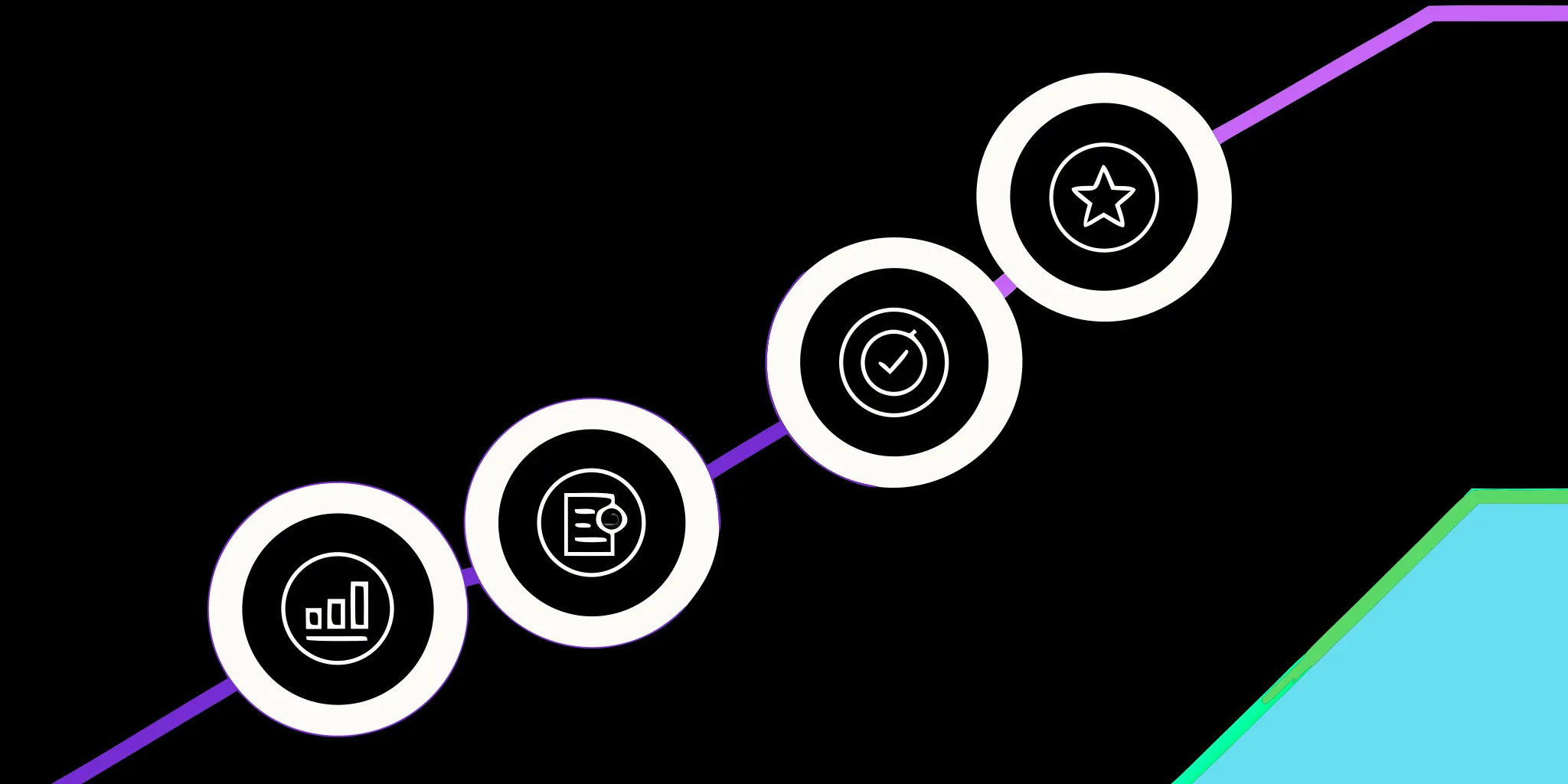
Moves management is a proven fundraising framework that helps you build authentic, lasting relationships with your supporters. Think of it as a roadmap for guiding someone from a casual follower to a passionate, lifelong donor. Instead of focusing on one-time asks, this strategy is a cycle built on meaningful interactions, or "moves," that deepen a person's connection to your cause over time. Each move, whether it's a personalized message, an event invitation, or an impact report, is a deliberate step toward building trust and loyalty.
This relationship-first approach is perfect for today's fundraising landscape. With supporters already active on platforms like Facebook and Instagram, you have a built-in community waiting to be engaged. The moves management model provides a structure for these interactions, ensuring no potential supporter falls through the cracks. By applying this framework, you can turn your social media audience into a thriving community of engaged donors. The process is typically broken down into five distinct stages, each with a specific goal.
The five stages are:
- Identification: Finding potential donors who care about your cause.
- Qualification: Determining if a prospect is a good fit for your organization.
- Cultivation: Building a strong, personal relationship with the potential donor.
- Solicitation: Making a thoughtful and well-timed request for a donation.
- Stewardship: Thanking the donor and showing the impact of their gift to encourage future support.
Understanding how direct messaging for nonprofits fits into this cycle can transform your fundraising. Let’s walk through each stage and the actionable steps you can take to implement them.
Stage 1: Identification — Find the Right Prospects
The first stage of moves management is all about identification. Think of it as building your guest list before you plan the party. This is where you find potential supporters who have the capacity and, more importantly, the affinity to become dedicated donors. It’s a crucial first step because the quality of your prospect list determines the success of your entire fundraising effort. If you start with people who aren’t a good fit, you’ll spend a lot of time and energy with very little to show for it. A strong identification process ensures your team focuses its efforts on the relationships most likely to flourish.
Moves management replaces random outreach with a clear, intentional process. Every action is a deliberate step that brings a prospect closer to becoming a committed supporter for your nonprofit. Identification isn't about chasing every high-net-worth individual in your city; it’s about thoughtfully pinpointing people who have a genuine potential to connect with your mission. This process involves two main activities: first, defining what your ideal donor looks like, and second, knowing where to find them within your existing circles of influence. By starting here, you create a foundation for accountability and clarity throughout your fundraising cycle.
Define Your Ideal Donor
Before you can find the right prospects, you need a clear picture of who you’re looking for. This means creating an ideal donor profile based on data, not just guesswork. Look at your current loyal supporters. What do they have in common? Consider their giving history, how they first connected with you, their communication preferences, and what parts of your mission they care about most. While wealth indicators are part of the equation, don’t forget about affinity indicators. Someone who consistently volunteers, shares your content, or attends events might be a more promising prospect than a wealthy stranger, because they already have a relationship with your cause. This profile becomes your guide for identifying new prospects who are likely to become long-term partners.
Find Prospects in Your Existing Community (Like Social Followers)
Your next major donors are probably already in your orbit. Instead of starting from scratch, look within your existing community. This includes your volunteers, past event attendees, and email subscribers. One of the most overlooked goldmines is your social media following. These individuals have already raised their hands to say they’re interested in your work. The challenge is that they often remain anonymous faces in a crowd. The key is to turn those followers into named, engaged prospects you can build relationships with. By using social direct messaging, you can start one-to-one conversations that help you identify your most passionate supporters and bring them into your moves management pipeline, creating a sustainable source of new donors from an audience you already have.
Stage 2: Qualification — Assess a Donor's Fit
Once you’ve identified a group of potential donors, it’s time to qualify them. Think of this stage as a friendly interview where you determine if a prospect is a good fit for your nonprofit and, just as importantly, if your nonprofit is a good fit for them. The goal here isn't to ask for money. Instead, you're doing a bit of homework to understand who is most likely to become a dedicated supporter. This crucial step saves you from spending valuable time and resources on prospects who aren’t ready or able to give.
Qualification involves figuring out two key things: a person's interest in your cause and their capacity to give. For prospects you find on social media, this might feel tricky since you don't have a full donor history. But that’s where their online behavior gives you clues. Someone who joins your Facebook Challenge or constantly engages with your content is showing a clear interest. By focusing on these warm prospects, you can build a strong pipeline of potential major donors who are already connected to your mission. This stage is all about listening and learning so you can make your first real interaction a meaningful one, laying the groundwork for a genuine relationship.
Gauge a Prospect's Capacity and Interest
Your first step in qualification is to assess a prospect’s affinity for your cause and their potential to give. Affinity, or interest, is about how connected someone feels to your mission. Look at their history with your organization. Have they volunteered, signed a petition, or participated in a past event? On social media, this could be as simple as seeing who consistently likes, comments on, and shares your posts. These actions signal a genuine interest in your work.
Capacity refers to their financial ability to donate. While traditional wealth screening tools exist, you can also find clues in a person's public profile or their past giving patterns if they're already in your system. Don’t get too hung up on finding a perfect number. The goal is simply to make an educated guess so you can prioritize your outreach efforts effectively.
Start the Discovery Conversation
With your research done, it’s time to start a conversation. This is your chance to move beyond data and make a human connection. The key is to keep it low-pressure and focused on discovery, not solicitation. You’re here to learn about their passions and what drew them to your organization in the first place. A great way to do this is through direct messaging on social platforms, which feels personal and immediate.
Send a friendly, open-ended message. You could say something like, “Hi [Name], I saw you participated in our recent fundraiser and wanted to personally thank you! What inspired you to get involved?” Listen more than you talk. This initial chat helps you understand their motivations and values, giving you everything you need to personalize your approach in the next stage.
Stage 3: Cultivation — Build Lasting Relationships
Once you’ve identified and qualified a prospect, the real work of relationship-building begins. The cultivation stage is where you nurture a person’s interest and help them feel truly connected to your cause. This isn’t about sending a few generic emails. It’s a thoughtful process of showing a potential donor that you see them as a partner in your mission, not just a name on a list. Think of it as a series of strategic "moves" or touchpoints designed to deepen their engagement over time.
This is your chance to move beyond surface-level interactions and build genuine trust. The goal is to guide someone from being casually interested in your work to becoming an enthusiastic supporter who is ready and willing to give. For many nonprofits, this is where you can turn your anonymous social media followers into a community of named, engaged individuals. By investing in this stage, you’re not just setting up a future donation; you’re building a foundation for a long-term, loyal supporter who will stick with you for years to come.
Personalize Your Communications
If you want to build a real relationship, you have to stop communicating like a robot. Personalization is key during the cultivation stage. This goes beyond just using someone’s first name in an email. It means using what you learned during the qualification phase to tailor your outreach. Did they mention a specific program they were passionate about? Send them an update on that program. Did they engage with a post about your fieldwork? Share a behind-the-scenes story from your team on the ground.
This is the core of what moves management is all about: taking intentional steps to guide someone closer to your cause. Each personalized message shows you’re listening and that you value their specific interests. This simple act builds trust and makes your supporters feel seen and appreciated.
Create Meaningful Touchpoints
During the cultivation stage, every interaction should provide value to your potential donor. These meaningful touchpoints are the "moves" that strengthen your connection. Instead of immediately asking for money, focus on giving them something first. This could be an invitation to an exclusive online webinar with your founder, a personalized video showing the impact of past support, or a link to a compelling story about someone your organization has helped.
The goal is to make them feel like an insider. These interactions build a stronger sense of community and trust, showing prospects that you’re invested in them beyond their wallet. By having one-on-one conversations and sharing impact stories, you can learn more about their philanthropic goals and align your mission with their desire to make a difference.
Use Social DMs to Strengthen Connections
Email inboxes are crowded, but social media direct messages offer a direct and personal line of communication. Using social DMs for nonprofits is an incredibly effective way to cultivate relationships in a space where your supporters are already active and engaged. A DM feels more like a personal conversation with a friend than a formal email, which helps break down barriers and build rapport quickly.
You can use DMs to share those personalized updates, invite them to a virtual event, or simply check in and thank them for their engagement. For example, if someone leaves a thoughtful comment on your Facebook post, sending a quick thank-you DM can make a huge impression. It’s a simple, scalable way to make each supporter feel individually valued and foster the deep connections that turn followers into donors.
Stage 4: Solicitation — Make the Ask with Confidence
This is the moment you’ve been working toward. After identifying, qualifying, and cultivating a relationship with a supporter, it’s time to make the ask. This stage isn’t about applying pressure; it’s about moving forward with confidence. Because you’ve done the work, you know this person’s interests, you understand their capacity to give, and you’ve built a foundation of trust. The solicitation should feel like a natural and expected next step in their journey with your organization, not a surprise attack on their wallet.
Making a confident ask means you believe in your mission and you believe this specific donor is the right person to help you advance it. Whether you're sitting down with a major donor to discuss a five-figure gift or sending a personalized message to a social media follower, the principle is the same. You are inviting them to become a hero for your cause. For many of your supporters, especially those you've nurtured through social media, the ask can happen right where the relationship was built: in their DMs. This approach allows you to make timely, relevant asks at scale, turning engaged followers into active donors. GoodUnited's direct messaging tools are designed to help you do just that, creating a seamless path from conversation to contribution.
Frame the Perfect Ask
A successful ask is never one-size-fits-all. It’s a specific, tailored proposal that aligns with what you know about the donor. Think of it less as a request and more as an opportunity you’re presenting. Based on your previous conversations, you should have a clear idea of their giving capacity and the parts of your mission that resonate with them most. Use that insight to frame an ask that feels personal and purposeful.
Instead of a generic "please donate," focus on the donor's impact. Use language that puts them at the center of the story, like "Your gift will..." rather than "We need..." For example, you might say, "Your $100 donation today will provide a full month of school supplies for a child in need." This shows them exactly what their contribution will achieve. By connecting the donation to a tangible outcome, you make the act of giving more meaningful and compelling, as many successful nonprofit campaigns have shown.
Nail the Timing, Channel, and Approach
The "how" and "when" of your ask are just as important as the "what." Timing is everything. You should only make a solicitation after the donor feels genuinely connected to and valued by your organization. If you've been nurturing a relationship through automated yet personal DMs, you can use engagement signals, like replies or link clicks, to gauge the right moment to present a donation opportunity.
The channel you choose should match the relationship. A major gift proposal might require a face-to-face meeting with a clear, written plan outlining the impact of their investment. For your broader community of supporters on social media, a well-timed direct message can be incredibly effective. It meets them on a platform they use daily and removes friction from the giving process. No matter the channel, be prepared to listen and respond to any questions. This reinforces that you value the relationship beyond the transaction.
Stage 5: Stewardship — Turn Donors into Lifelong Supporters
The ask is over, and the donation is in. It’s tempting to see this as the finish line, but it’s actually the starting line for your most important work: stewardship. This is where you build on the goodwill you’ve created and turn a one-time donor into a lifelong supporter and advocate for your cause. Effective stewardship is about showing genuine appreciation and demonstrating impact. It’s the ongoing conversation that keeps donors connected, engaged, and excited to give again. By nurturing these relationships, you create a sustainable cycle of support that is the foundation of a successful fundraising program.
Thank Donors Meaningfully
A timely, personal thank you is the first and most critical step in stewardship. Your goal is to make the donor feel seen, valued, and confident in their decision to support you. While an automated email receipt is standard, a truly meaningful thank you goes a step further. Think about sending a personalized direct message on the same social platform where they engaged with you, or a short video from your team. The key is to be prompt and personal. This immediate acknowledgment reinforces their positive feelings and shows that a real person is on the other side, grateful for their contribution. This simple act sets the tone for the entire future relationship.
Show Your Impact to Encourage Recurring Gifts
Donors want to know their money is making a difference. The best way to keep them engaged is to show them the tangible impact of their gift. Go beyond generic newsletters and share specific stories, photos, and updates that connect their donation to real-world outcomes. You can send these updates through segmented emails or even through a social media messaging flow. For example, you could share a short video of a project they helped fund or a testimonial from someone who benefited from your services. By consistently demonstrating impact, you build trust and remind donors why they supported you in the first place, making them much more likely to become recurring givers.
Keep the Relationship Cycle Going
Stewardship isn’t a single action; it’s a continuous cycle of engagement that keeps your organization top of mind. The goal is to maintain a warm relationship so that when you’re ready to make another ask, it feels like a natural next step. A good stewardship plan includes a mix of touchpoints, and not all of them should be about money. Send a happy birthday message, share an exciting piece of news about your organization, or simply check in to say hello. Every interaction is an opportunity to strengthen the connection and show donors they are part of your community. This ongoing care ensures donors feel valued for more than just their wallets, securing their long-term loyalty.
How to Manage Your Moves Management Process
Having a framework for the five stages is one thing, but putting it into practice is another. A successful moves management strategy relies on a repeatable, organized process that your whole team can follow. Without a system to track your efforts, even the best-laid plans can fall apart. You risk losing track of promising prospects, missing key follow-up opportunities, and letting valuable relationships go cold.
Managing your moves management process comes down to three core activities: organizing your pipeline, documenting every touchpoint, and segmenting your donors for smarter outreach. Think of these as the operational backbone of your strategy. They provide the structure you need to turn your relationship-building efforts into a predictable and effective fundraising engine. By getting these systems right, you empower your team to focus on what truly matters: making meaningful connections with your supporters.
Use a CRM to Organize Your Pipeline
Your donor pipeline is the heart of your moves management process, and a Customer Relationship Management (CRM) system is the tool that keeps it beating. Spreadsheets and sticky notes just won’t cut it when you’re managing dozens or hundreds of relationships. A nonprofit CRM gives your team a shared, real-time view of where every single prospect is in the donor cycle.
Using a CRM helps your team track each donor’s stage and identify the best next step to take. This clarity is crucial for keeping supporters moving forward. When you can see your entire pipeline at a glance, you can easily spot who needs a follow-up, who is ready for cultivation, and who might be prepared for a solicitation call. This organization ensures no one falls through the cracks and that your team’s efforts are always focused and strategic.
Document Interactions and Keep Data Clean
A CRM is only as powerful as the information you put into it. That’s why documenting every single interaction with a prospect or donor is non-negotiable. Moves management is the process of tracking all the "moves" you make with a donor, and that history is invaluable. Every email, social media DM, phone call, and event attendance should be logged in your CRM.
This detailed record gives your team a complete understanding of each donor's history, interests, and communication preferences. It ensures that if a team member leaves, the relationship history doesn’t leave with them. Keeping this data clean and up-to-date is just as important. Accurate information allows you to make informed decisions and personalize your outreach, which is essential for building the authentic connections that drive donations.
Segment Donors for More Effective Outreach
Treating all your donors the same is a missed opportunity. Segmentation is the practice of grouping supporters based on shared characteristics so you can tailor your communications more effectively. You can create segments based on giving history, engagement level, communication preferences, or their relationship to your cause. For example, you might have one segment for major gift prospects and another for highly engaged Facebook followers who haven't made their first gift yet.
Once you have your segments, you can plan targeted engagement campaigns, or "moves," for each group. This ensures your outreach is always relevant and resonant. A first-time donor might receive a welcome series showing their impact, while a long-time supporter could get a personal update from your executive director. This personalized approach makes donors feel seen and valued, strengthening their connection to your mission and encouraging them to move to the next stage of the relationship.
What Does a Successful Moves Management Program Look Like?
Putting the five stages of moves management into practice is a great start, but building a truly successful program goes deeper. It’s about creating a culture of intentional relationship-building across your organization. When your process is supported by a collaborative team, a data-informed strategy, and a commitment to learning, you move from simply following steps to creating a sustainable engine for donor engagement and support. Think of it as the foundation that makes the entire structure strong. The most effective programs are living, breathing systems that adapt and grow with your community.
Build a Collaborative Team
A successful moves management program starts with a team that’s fully aligned on building intentional, long-term relationships with donors. This isn't a job just for your major gift officers; it requires collaboration between your fundraising, marketing, and program staff. When everyone understands the strategy, you can replace guesswork and one-off outreach with a clear, unified path for donor cultivation. This shared approach ensures every touchpoint, whether it's a social media message or a personal email, works toward the same goal of strengthening that supporter’s connection to your cause. This is how you create a seamless and meaningful donor journey.
Train Your Team and Get Buy-In
You can have the best process in the world, but it won’t work if your team isn’t on board. Securing buy-in from everyone involved is essential. This means going beyond just teaching them how to use a new CRM field. Take the time to explain the philosophy behind moves management and how it will help your nonprofit achieve its mission. When your team understands the 'why,' they become more invested in the 'how.' This shared belief empowers them to not only identify potential supporters but also to genuinely foster and deepen those connections over time, leading to more authentic engagement.
Continually Evaluate and Refine Your Strategy
An effective moves management program is never set in stone. It relies on data to guide your decisions and show you what’s working. Are your social media DMs leading to more discovery calls? Are certain types of updates getting the best responses? By regularly tracking your interactions and outcomes, you can make informed choices about the best next steps for each donor. This data-driven approach allows you to continually refine your strategy, ensuring your efforts remain effective and relevant. Don’t be afraid to experiment, measure the results, and adjust your plan accordingly.
Avoid These Common Mistakes
As you build your program, it’s just as important to know what not to do. Some of the most common pitfalls include spending too much time on the wrong prospects, trying to cultivate too many donors at once, and rushing to make an ask before the relationship is ready. Moves management is about focus and patience. By concentrating on the fundamentals of the fundraising cycle, you can avoid spreading your team too thin and ensure you’re giving your most promising supporters the attention they deserve. This focus is key to strengthening your major gift relationships and building a more effective program overall.
Related Articles
- The Essential Guide for Nonprofit Managers | GoodUnited
- Navigating Federal Funding for Nonprofits | GoodUnited
- Top 5 Fundraising Software for Nonprofit Organizations
Frequently Asked Questions
Isn't moves management just a complicated name for what we already do? Not quite. While you’re likely already doing some of these activities, moves management organizes them into a deliberate, strategic framework. Instead of random acts of outreach, it’s a planned process where every interaction, or "move," has a purpose: to guide a supporter on a specific journey with your organization. It adds structure and intention, ensuring you’re building relationships thoughtfully instead of just hoping your efforts stick.
Does moves management only work for major gift fundraising? Absolutely not. The principles of moves management apply to donors at every level. For a major gift prospect, a "move" might be a personal lunch or a handwritten note. For your social media followers, it could be a personalized thank you DM, an invitation to a virtual event, or a targeted impact story. The goal is the same: to build a relationship and deepen engagement, which can be done effectively at scale with the right tools.
How many "moves" should I make before asking for a donation? There is no magic number of interactions that guarantees a successful ask. The focus should be on the quality of the relationship, not the quantity of your moves. The right time to make a solicitation is when you feel a genuine connection has been built, the supporter understands your mission, and they feel valued. Pay attention to their engagement; their responses and actions will often tell you when they are ready to be invited to give.
Do I really need a CRM to get started with moves management? While you can technically start with a detailed spreadsheet, a CRM (Customer Relationship Management) system becomes essential very quickly. As you track more supporters, a CRM gives your entire team a central, organized view of every interaction and where each person is in the cycle. This prevents prospects from falling through the cracks and ensures your relationship history doesn't leave when a team member does.
What's the biggest mistake to avoid when implementing moves management? The most common mistake is rushing the process, especially the cultivation stage. It’s tempting to jump straight from identifying a promising prospect to asking for a donation, but that skips the most important part: building trust. Take the time to make personalized, meaningful touchpoints that show a supporter you value them beyond their wallet. A patient, relationship-first approach will always lead to better long-term results.