

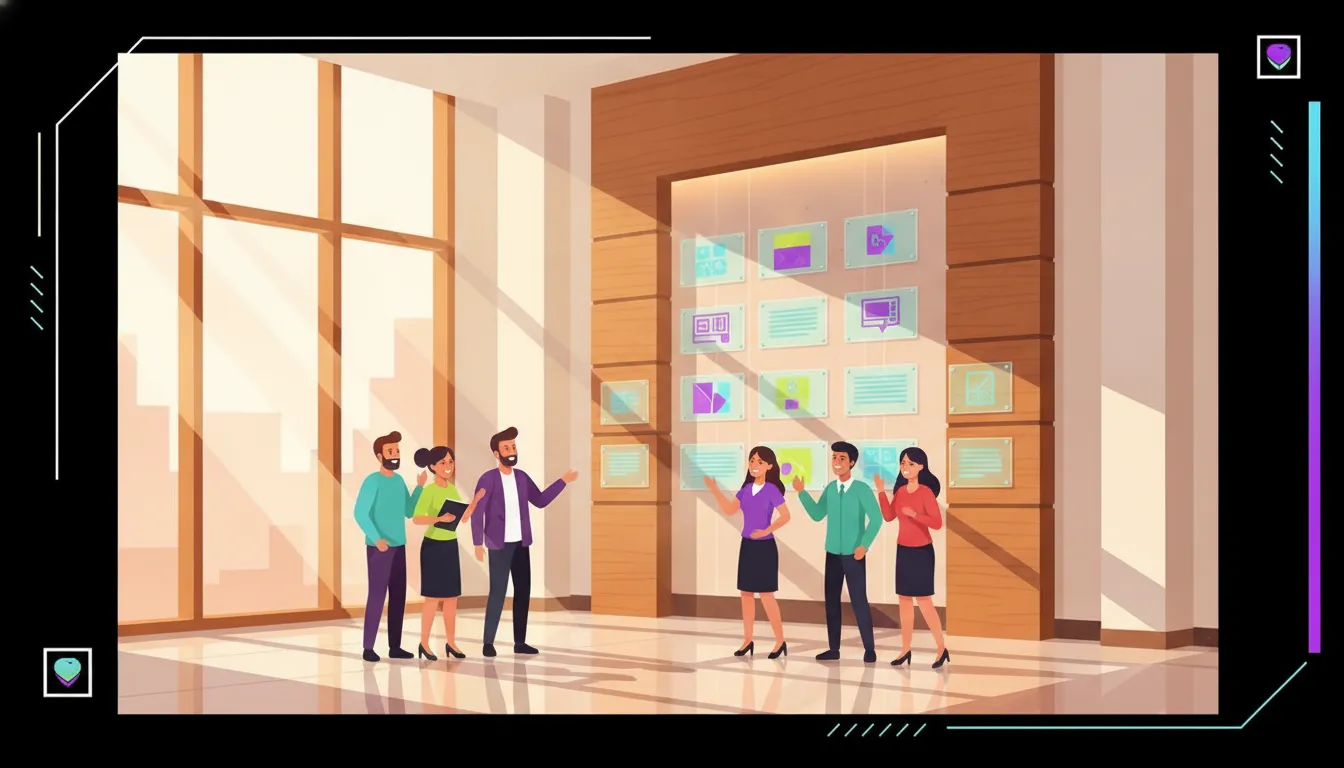









A donor's name can mark a milestone, but recognition works best when it also deepens the relationship behind that gift. For nonprofits, the goal is not simply to display generosity. It is to help supporters feel seen, connected to a community, and confident that their participation matters. Retention rises when donors feel personally recognized and part of something enduring, which is why a recognition wall belongs inside your stewardship strategy rather than beside it.
A recognition wall can be physical, digital, or both. It should present donor names and giving levels accurately, explain the community or impact they represent, and connect acknowledgment to ongoing communication. The strongest programs combine visible gratitude with consent-based naming and timely, personal follow-up that continues after the name is added. Research shows that promised public acknowledgment does not motivate every donor equally, so the best walls respect each supporter's preference while building belonging.
Physical installations can create a lasting presence in a lobby or gathering space, while digital experiences can scale across campaigns, locations, and changing supporter preferences. Both require intentional standards for equity, privacy, design, and upkeep. For nonprofit leaders, the strategic question is not simply where to display names but how recognition fits into the broader donor experience. From the first gift through the next meaningful interaction and beyond.
Why Donor Recognition Matters for Nonprofit Retention
Retention is not simply a measure of whether a donor gives again. It reflects whether your organization has earned enough trust, relevance, and connection to remain part of that donor's philanthropic life. Blackbaud defines donor retention as the continuation of a donor relationship over time, making it a stewardship outcome as much as a fundraising metric.
That distinction matters because acquisition often receives the most attention after a campaign, while the relationship that follows receives less structure. The Fundraising Effectiveness Project retention benchmarks consistently show a meaningful gap between retaining first-time donors and retaining repeat donors. A recognition wall cannot eliminate that gap by itself, but intentional recognition can help give a new donor a reason to feel seen, connected, and willing to continue.
Recognition turns a transaction into a relationship
A donation confirms that someone responded to a need. Recognition communicates that the organization noticed the person behind the gift. That signal is especially important for supporters who first encounter a nonprofit through a fast-moving social channel, where a donation can otherwise feel like a brief, anonymous transaction.
Research and fundraising guidance point to recognition as a stewardship practice that helps immortalize supporter contributions and build long-term relationships through gratitude. Proper donor recognition is also described as a crucial part of a successful fundraising strategy. The strongest approach is not to display names indiscriminately. It is to make recognition meaningful, accurate, equitable, and aligned with each donor's preferences.
That requires a broader system than a physical plaque. A digital recognition wall, personalized message, or timely follow-up can extend gratitude beyond the moment of payment. Nonprofits can build on these donor recognition strategies by connecting recognition to impact updates, future invitations, and relevant opportunities to participate.
For social-first fundraising, the next message may be the most important recognition experience. GoodUnited helps nonprofits move from anonymous social audiences to named donor relationships, so automated conversations can acknowledge support and continue stewardship at scale.
The goal is not to make every donor seek public acknowledgment. Recognition is most effective when it respects consent and preference while consistently reinforcing belonging. When supporters understand that their participation is valued, a recognition wall becomes one visible part of a retention strategy built on ongoing, one-to-one care.
What Is a Donor Recognition Wall?
A donor recognition wall is a visible, organized way for a nonprofit to acknowledge the people and organizations whose giving supports its mission. It may honor a campaign's lead supporters, recognize annual contributors by giving level, or celebrate a broader community of donors. The strongest examples do more than display names. They turn gratitude into a stewardship experience that reinforces belonging and gives supporters a meaningful connection to the work they make possible.
Physical and Digital Recognition Serve Different Purposes
A physical recognition wall is a permanent or semi-permanent installation in a nonprofit's building or community space. It may use engraved plaques, metal or glass panels, tiles, dimensional lettering, or an architectural feature designed into a lobby, theater, hospital, campus, or gathering place. The location and materials communicate permanence, while the presentation gives donors a reason to see their names connected to a shared mission. For a major capital project, recognition can also be integrated into the building's design rather than added as an afterthought.
A digital recognition wall creates the same opportunity in a more flexible environment. It might be an interactive screen at an event, a searchable donor page on the nonprofit's website, a campaign-specific online display, or personalized social media shout-outs. Digital formats can be updated more frequently, accommodate larger communities of supporters, and connect recognition with stories, campaign milestones, or next steps in the donor journey. They are particularly relevant when a nonprofit's audience engages primarily through online channels.
Both formats can help immortalize supporter contributions and build long-term relationships through gratitude, as Double the Donation explains in its donor recognition wall guide. The strategic choice is not simply whether to install a wall. It is how the organization wants recognition to function. A physical installation may anchor a place-based community, while a digital experience can extend appreciation to donors who may never visit the facility.
For nonprofit leaders, recognition should be treated as part of a broader stewardship system rather than a one-time naming exercise. A donor wall can mark an important contribution, but timely, personal follow-up is what keeps the relationship active. Combining a durable public acknowledgment with individualized digital communication allows the organization to recognize support in the moment and continue the conversation as the donor's engagement develops.
Digital vs. Physical Recognition Walls: Which Is Right for Your Nonprofit?
Choose the format that matches the relationship you want to build
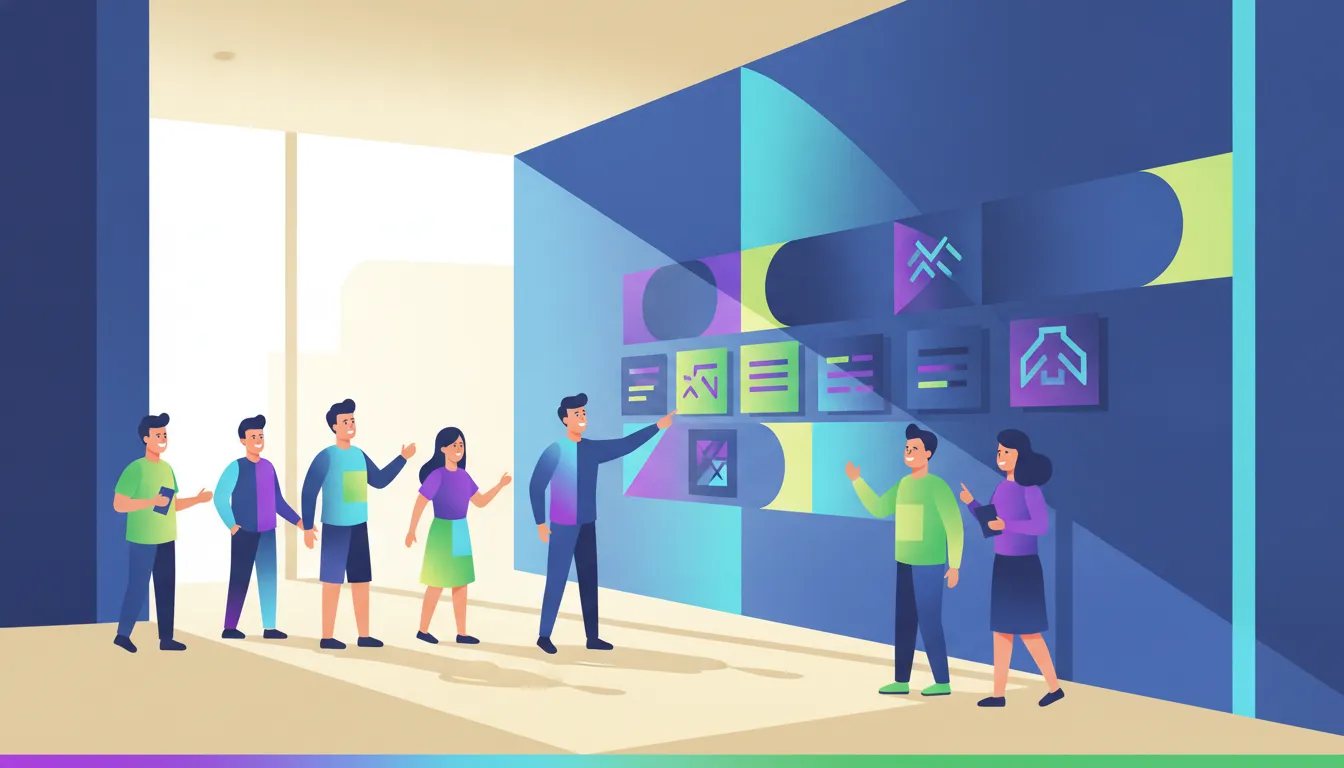
A physical wall can make gratitude visible in the place where a nonprofit delivers its mission. A digital recognition wall can extend that experience beyond a building, giving supporters a way to see their names, milestones, and community membership wherever they engage. The stronger choice depends on your audience, budget, campaign structure, and stewardship goals.
Neither format should be treated as a substitute for personal communication. Recognition works best when it reflects a donor's actual contribution and connects that contribution to an ongoing relationship. Use this comparison to decide where a recognition wall should live, and whether a blended approach is the better investment.
| Dimension | Digital recognition wall | Physical recognition wall |
|---|---|---|
| Cost | Usually requires platform, design, and maintenance resources. It can reduce the need for fabrication and installation, but recurring technology costs should be planned. | Requires design, materials, fabrication, installation, and future updates. Donor signage can be a significant budget item, so approval should be secured before selecting a vendor. |
| Scalability | Names, campaigns, and giving levels can be updated as the community grows, making it well suited to ongoing and distributed fundraising. | Capacity is limited by the available surface and the original design. Expansion may require replacement panels, additional space, or a new installation. |
| Personalization | Can support timely messages, segmented acknowledgements, campaign milestones, and personalized follow-up across digital channels. | Offers a durable public acknowledgement, but changes to names, tiers, or messages may require physical rework. |
| Permanence | Flexible and easy to refresh, though the experience depends on continued hosting, accurate data, and a clear update process. | Creates a lasting presence in a facility or mission setting. The University at Buffalo recommends integrating recognition signage into architectural design from the start for a natural, aesthetically pleasing result. |
| Donor engagement | Supports recognition at the moment of giving and during follow-up. Personalized digital recognition can help move one-time social donors toward recurring support. | Creates a shared, place-based experience for visitors, volunteers, and donors who encounter the wall in person. |
When a blended recognition strategy makes sense
For many nonprofits, the most effective model combines a permanent physical installation with a digital layer for new gifts, campaign updates, and personal stewardship. A physical wall can honor major commitments and anchor recognition in the mission space. Digital touchpoints can acknowledge a broader group of supporters without forcing every donor into a fixed naming structure.
This approach also creates room to connect recognition with transparency. For example, a digital experience can explain the campaign supported, identify matching-gift opportunities, or show how a donor's contribution advances a defined goal. Matching gifts can amplify the value of eligible donations, making clear and timely communication about employer matching an important recognition hook. See matching-gift statistics for supporting context.
Whether you choose one format or both, connect the wall to an intentional stewardship journey. Your team can build on these ideas with practical guidance for thanking social media donors, then use automated, personalized follow-up to keep recognition active after the initial acknowledgement. Schedule a demo to see how GoodUnited can support personalized donor engagement at scale.
How to Structure Donor Giving Levels and Naming Tiers
A strong recognition wall makes appreciation visible without turning generosity into a competition. The structure should help donors understand how their support is acknowledged, give staff a consistent framework for updates, and preserve dignity across every level of participation. Start by defining what each tier represents within the specific campaign, building project, or annual giving program. The University at Buffalo's donor recognition and signage guidelines recommend considering gift value, the scope of giving levels, location, and the design of the space together rather than treating the wall as a standalone display.
Choose tiers that are clear, equitable, and meaningful
Giving levels should be based on a documented range, not an improvised hierarchy created after gifts arrive. Decide whether the levels apply to a particular initiative, a defined campaign period, cumulative lifetime giving, or a recurring annual commitment. State that scope wherever donors encounter the recognition wall. A donor should be able to understand why their name appears in a particular tier and how future gifts may affect recognition.
Names such as Bronze, Silver, and Gold are familiar, but they can imply a ranking that feels transactional. Mission-centered names often create a more meaningful experience, provided they are explained consistently and do not obscure the underlying criteria. For example:
- Donor: recognizes supporters who make an eligible gift to the campaign or program.
- Sustainer: acknowledges donors whose recurring commitment supports ongoing work.
- Cornerstone: identifies major supporters whose gifts help establish or expand a defined initiative.
- Community Builder: recognizes qualifying gifts that strengthen a shared local or programmatic goal.
These labels are examples, not universal thresholds. Set amounts or commitment requirements internally, then publish the criteria in plain language. Avoid creating a lower tier that appears like an afterthought. Consistent typography, name sizing, spacing, and ordering can communicate equal respect while still distinguishing levels of support. Give donors an opt-out choice, and confirm preferred name formatting before publication.
Physical recognition also has a financial and design dimension. Buffalo's guidance notes that donor signage can be costly, so confirm the budget, funding source, and approval responsibilities before selecting a vendor or finalizing the plan. That discipline protects the fundraising investment and reduces the risk of promising a recognition format the organization cannot maintain. When tiers are clearly scoped, transparently explained, and designed around the space, the recognition wall becomes a durable stewardship asset rather than a static list of names.
How a Recognition Wall Strengthens Donor Stewardship and Transparency
A recognition wall can do more than display names. When it is connected to clear stewardship practices, it gives supporters a visible reminder that their contributions are valued and part of a larger community. That acknowledgment should be accurate, voluntary, and meaningful, rather than treated as a permanent advertisement for the organization.
How does recognition support trust?
Trust grows when donors can see how an organization honors commitments and communicates progress. A physical wall might recognize supporters who funded a building, program, or campaign. A digital version can extend that experience by acknowledging donors after a gift, inviting them into updates, and showing how collective support advances a defined goal. In both cases, the recognition should sit alongside substance: what the campaign made possible, who benefited, and what the organization is doing next.
This is especially important because recognition is not a universal incentive. Research from Rice University found that public acknowledgment does not increase giving uniformly, and is most effective for donors whose values include public recognition. A thoughtful program therefore offers choice. Let supporters opt in, use their preferred name, select anonymous recognition, or decline public acknowledgment altogether. Respecting those preferences is itself a stewardship signal.
How can a recognition wall reinforce transparent reporting?
Build the wall into a broader reporting rhythm. Link campaign or project recognition to an annual report, impact update, or dedicated results page. Explain the giving levels, the period covered, and whether names represent gifts, pledges, household members, or organizational commitments. Clear definitions reduce confusion and help prevent a recognition display from implying outcomes the organization cannot substantiate.
Good stewardship also continues after the initial thank-you. Donor retention is significantly higher when supporters feel personally recognized and part of a community, according to GoodUnited's donor-retention guidance. Use that principle to connect the display with personalized follow-up, such as donor stewardship journeys that deliver timely gratitude, progress updates, and relevant next steps.
For nonprofits building this connection across social channels, Schedule a demo to see how GoodUnited can support personalized donor stewardship at scale.
Transparency also means showing the full picture. Blackbaud Institute's 2024 Trends in Giving resource can inform an organization's broader view of donor behavior and giving patterns. Pair those insights with internal data, then report what changed, what did not, and how donor support shaped decisions. That candor turns recognition from a static list into an ongoing promise: the organization sees its donors, values their participation, and will keep them informed.
When annual reporting, impact evidence, and personalized communication reinforce one another, a recognition wall becomes a stewardship asset. It acknowledges generosity publicly where appropriate while giving every donor a clearer path to continued engagement.
Recognition Wall Design and Best Practices
A recognition wall should feel like part of the organization's environment, not an afterthought attached to an otherwise finished space. For nonprofit leaders, that means treating donor recognition as both a design decision and a stewardship commitment. The most effective walls are planned alongside the campaign, not added after it closes.
The University at Buffalo's donor recognition and signage guidelines recommend integrating recognition into architectural design from the beginning. When feasible, so it becomes a natural and aesthetically pleasing part of a building or renovated space. The same guidance emphasizes gift value, the scope of giving levels, location. And the design of the surrounding space as decisions that belong in the planning process, not after installation.
What should your design and approval process include?
- Define the recognition purpose. Decide whether the wall honors a campaign, a permanent fund, a building project, annual support, or a broader community of donors. The purpose should determine the language, duration, hierarchy, and update policy. Avoid implying that every donor relationship has the same meaning when the giving opportunity or donor preference differs.
- Set equitable levels and naming rules. Establish clear gift-level scopes before names are designed. A transparent framework helps supporters understand how recognition is earned and allows the organization to acknowledge different forms of commitment consistently. Document spelling, household and organizational names, anonymity requests, and how changes will be handled.
- Integrate materials with the space. Select materials that suit the building's architecture, traffic patterns, lighting, cleaning requirements, and expected lifespan. Durable lettering, plaques, glass, metal, wood, or digital displays can all work when the finish supports readability and the organization's visual identity. Review samples at full scale before approving production.
- Plan placement and accessibility. Choose a location where visitors can engage with the wall without obstructing circulation. Check viewing height, contrast, glare, type size, tactile or digital alternatives, and access for people using mobility devices. If a display is digital, provide a clear, usable interface and a non-digital way to access essential information.
- Approve the budget before selecting a vendor. Donor signage can be a significant budget item. Confirm the funding source and obtain approval from the departments responsible for fiscal-year or construction budgets before finalizing plans or choosing a signage vendor. Include installation, electrical work, software, maintenance, future name additions, and eventual replacement in the total cost.
- Assign ongoing ownership. Name the team responsible for reviewing additions, correcting records, honoring removal or anonymity requests, and cleaning the display. Schedule regular audits so the wall remains accurate, current, and respectful of donor preferences. Recognition is strongest when the physical experience is supported by timely, personal follow-up across the organization's other donor channels.
A well-designed recognition wall gives gratitude a visible place while preserving donor agency. It should invite people into the mission, not turn generosity into a static inventory of names. Build the operational plan alongside the design, and the wall can remain credible, welcoming, and useful long after the initial campaign closes.
How to Keep Your Recognition Wall Fresh and Philanthropy-Focused
A recognition wall should be more than a permanent record of past gifts. It should reflect an active community of supporters and give donors a reason to stay connected to the mission. That requires a stewardship system that can evolve as new people give, existing donors deepen their commitment, and campaign priorities change.
Digital recognition makes that continuity possible. As individual giving patterns shift away from traditional direct mail, digital donor experiences, including social-based recognition, are becoming increasingly important to stewardship. Personalized recognition, even in a digital environment, can help convert a one-time social donor into a recurring, loyal supporter. This is where GoodUnited can serve as the relationship layer around the recognition wall, connecting a public expression of gratitude with individualized conversations in social media direct messages.
Build recognition into the donor journey
The strongest approach is not to wait for an annual campaign or a major naming opportunity. Establish recognition moments throughout the donor lifecycle, then connect each moment to a relevant next step. A first gift might prompt a personalized thank-you message and an invitation to see the donor's impact. A second contribution can trigger an update on progress toward a shared goal. A recurring donor may receive a milestone acknowledgment, an early invitation, or a clear path to increase their monthly support.
- Rotate the digital display: Feature recent supporters, campaign milestones, recurring donors, and community stories so the wall feels current rather than closed.
- Personalize the follow-up: Use the donor's name, campaign context, and stated interests in a direct message instead of sending a generic acknowledgment.
- Connect recognition to upgrading: Offer a relevant next action, such as starting a monthly gift, joining a challenge, or increasing an existing commitment.
- Respect donor preferences: Confirm whether supporters want public recognition and provide an easy way to adjust their display name or recognition status.
- Measure relationship progress: Track repeat giving, recurring enrollment, and engagement after recognition, not just wall views or impressions.
Donor retention is significantly higher when people feel personally recognized and part of a community. A recognition wall becomes more philanthropic when it helps create that feeling consistently. While GoodUnited's automated nurture sequences turn each acknowledgment into an opportunity for a more durable donor relationship.
Frequently Asked Questions
What should a nonprofit include on a recognition wall?
Include donor names only with permission, a clear explanation of the recognition criteria, and giving levels that are easy to understand. Define whether each tier reflects a one-time gift, a campaign commitment, or cumulative support. Clear gift-level scopes help organizations acknowledge supporters equitably and consistently. The University at Buffalo's signage guidelines recommend considering gift value, giving-level scope, location, and design.
Are digital recognition walls better than physical donor walls?
Neither format is universally better. A physical wall can create a lasting presence in a facility, while a digital recognition wall can be updated, personalized, and shared with supporters wherever they engage. Choose based on donor preferences, privacy permissions, budget, audience access, and the stewardship moments you want to support. Digital recognition can also extend appreciation into social and other online experiences.
How can a recognition wall support donor retention?
Use it as one touchpoint in a broader stewardship journey, not as a substitute for personal follow-up. Pair recognition with timely thanks, impact updates, relevant campaign messages, and invitations to stay involved. GoodUnited's customer guidance notes that donors are more likely to remain engaged when they feel personally recognized and part of a community. While academic research cautions that public recognition does not increase giving uniformly for every donor. Research from Rice Business supports tailoring recognition to donor preferences.
How often should a nonprofit update its recognition wall?
Set an update schedule that matches your fundraising calendar and recognition promise. Review new gifts, corrected names, opt-out requests, and tier changes on a defined cadence, then communicate when updates occur. Digital walls may support more frequent updates, but every format requires accurate records and a clear approval process. Budget for ongoing maintenance before selecting physical signage, since donor recognition signs can be a significant cost.
Ready to Make Recognition Part of Every Donor Relationship?
A recognition wall can be more than a record of past support. Connected to thoughtful stewardship, it can help your nonprofit build a clearer path from appreciation to lasting donor relationships. To explore how GoodUnited can support that work through personalized social engagement and automated donor journeys, schedule a free demo with our team.