

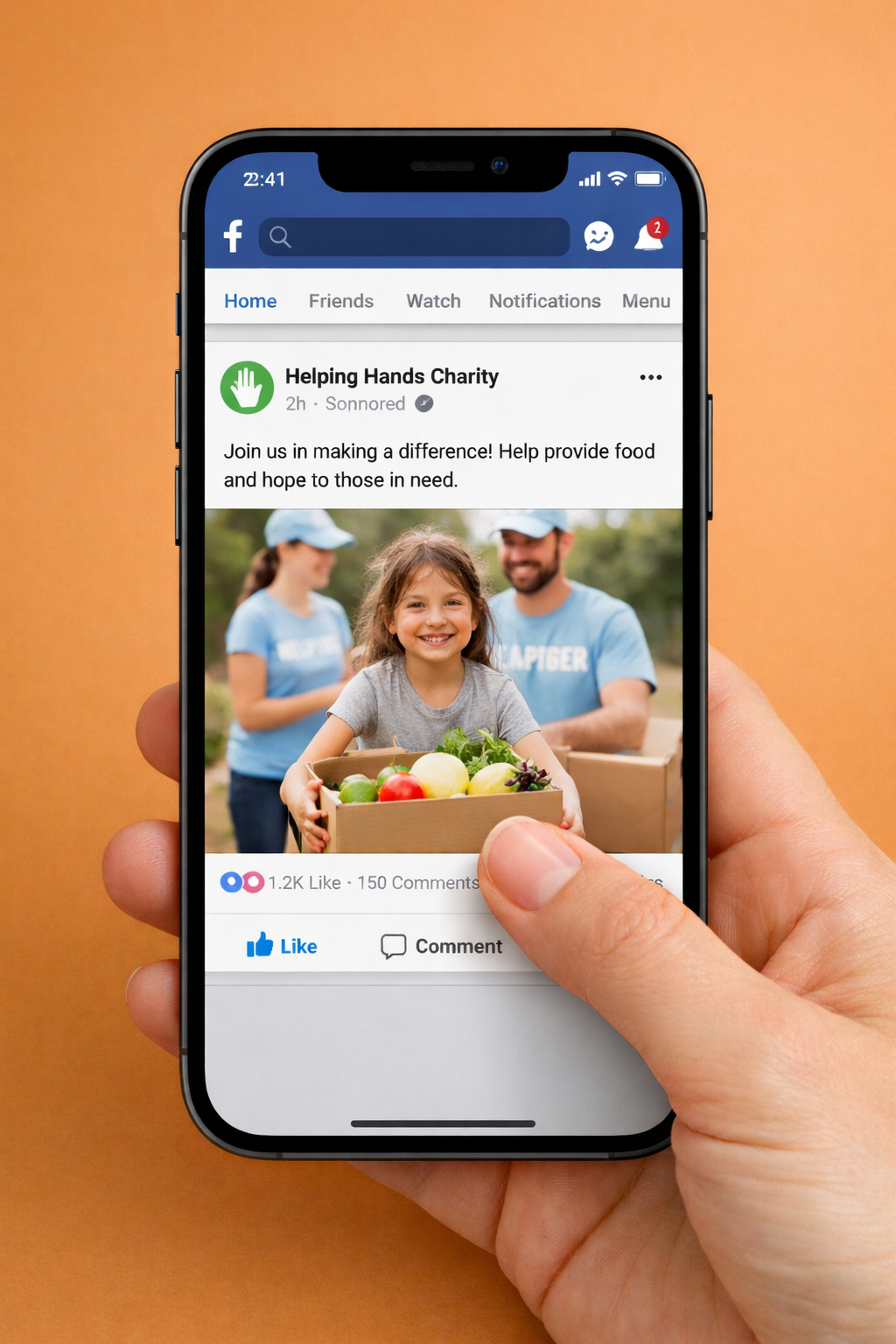







In January 2026, Meta is rolling out major updates to Facebook and Instagram Messenger that change how nonprofits can message supporters.
These updates allow organizations to start 1:1 conversations with people who engage with their social posts (likes, comments, shares, emails, or phone numbers), and they introduce a paid model for some outbound messages, similar to WhatsApp.
GoodUnited is already updating its platform to support these changes, and for our partners, your current Messenger campaigns will continue without disruption.
Why this matters for your nonprofit
These changes will allow your organization to:
- Turn social engagement into direct supporter conversations
- Build a donor and supporter list from social media
- Increase donations, event signups, and campaign performance
- Reach supporters with higher open and response rates than email
- Maintain predictable, compliant messaging as Meta’s rules change
What each benefit means for you
1. Social engagement becomes real relationships
Before, when someone liked or commented on a post, that interaction usually ended there.
Now, that action gives your organization permission to start a private Messenger conversation.
This means you can:
- Thank them
- Share impact
- Invite them to donate or get involved
- Build an ongoing relationship
Instead of shouting into the feed, you can talk to people one-to-one.
2. Your social followers become a real supporter list
With these updates, reactions, comments, shares, emails, and phone numbers can all be used to grow your Messenger audience.
That gives you something most nonprofits struggle to build:
A growing list of supporters you can reach directly, without relying on:
- Email open rates
- Website traffic
- Paid ad clicks
Your social audience becomes an owned fundraising channel.
3. Your campaigns perform better
Messenger messages are read far more often than emails or ads.
That means when you run:
- A donation drive
- An event promotion
- Giving Tuesday
- An emergency appeal
More people see it, more people respond, and more people give.
You get more results from the same audience.
4. You spend less to raise more
Meta’s new paid message model ensures messages are delivered reliably and compliantly.
GoodUnited uses Meta’s ad system to send messages in the most cost-effective way possible.
This allows:
- Budget control
- No spam risk
- No surprise shutdowns
- Lower cost per donor compared to traditional ads
Especially for small and mid-sized nonprofits, this keeps fundraising predictable and safe.
5. You are protected as Meta’s rules change
Meta is updating how messaging works across Facebook, Instagram, and WhatsApp.
GoodUnited is already adapting its technology so you don’t have to worry about:
- Compliance
- Setup
- Disruptions
Your campaigns keep running, and you get access to the new features when they go live.
The Key Takeaway:
GoodUnited is a Meta-certified partner built specifically for nonprofits, and these new Messenger capabilities are being rolled out inside our platform first.
That means:
- You don’t have to navigate Meta’s changing rules
- You don’t need ad or technical expertise
- You don’t need to rebuild your workflows
GoodUnited is where these tools are translated into simple, nonprofit-ready fundraising and engagement campaigns. We handle the complexity so you can focus on impact.
As Messenger becomes one of the most powerful ways to connect with supporters, GoodUnited is the place to access it, use it, and grow with it.