







You work hard to connect with supporters on social media, building relationships and inspiring them to join your cause. When one of them finally clicks that "Donate" button, the last thing you want is for them to abandon the process because of a clunky or confusing payment form. This is where the final, crucial step of the donor journey comes into play. A payment gateway is the bridge between their decision to give and the funds landing in your account. This is where a seamless payment gateway integration becomes your most valuable player, ensuring the final step is as inspiring as the first.
Key Takeaways
- A payment gateway is your digital handshake: It's the essential technology that securely processes online donations, protecting supporter data and building the trust necessary for a strong donor relationship.
- Match the gateway to your organization's needs: Choose an integration method that fits your technical resources, and look for key features like recurring donation options and a mobile-friendly design to support your fundraising goals.
- A simple donation process leads to more support: Remove barriers by streamlining your donation form, offering various payment methods, and using a secure system to make giving an effortless and positive experience for your supporters.
What Is a Payment Gateway and Why Do You Need One?
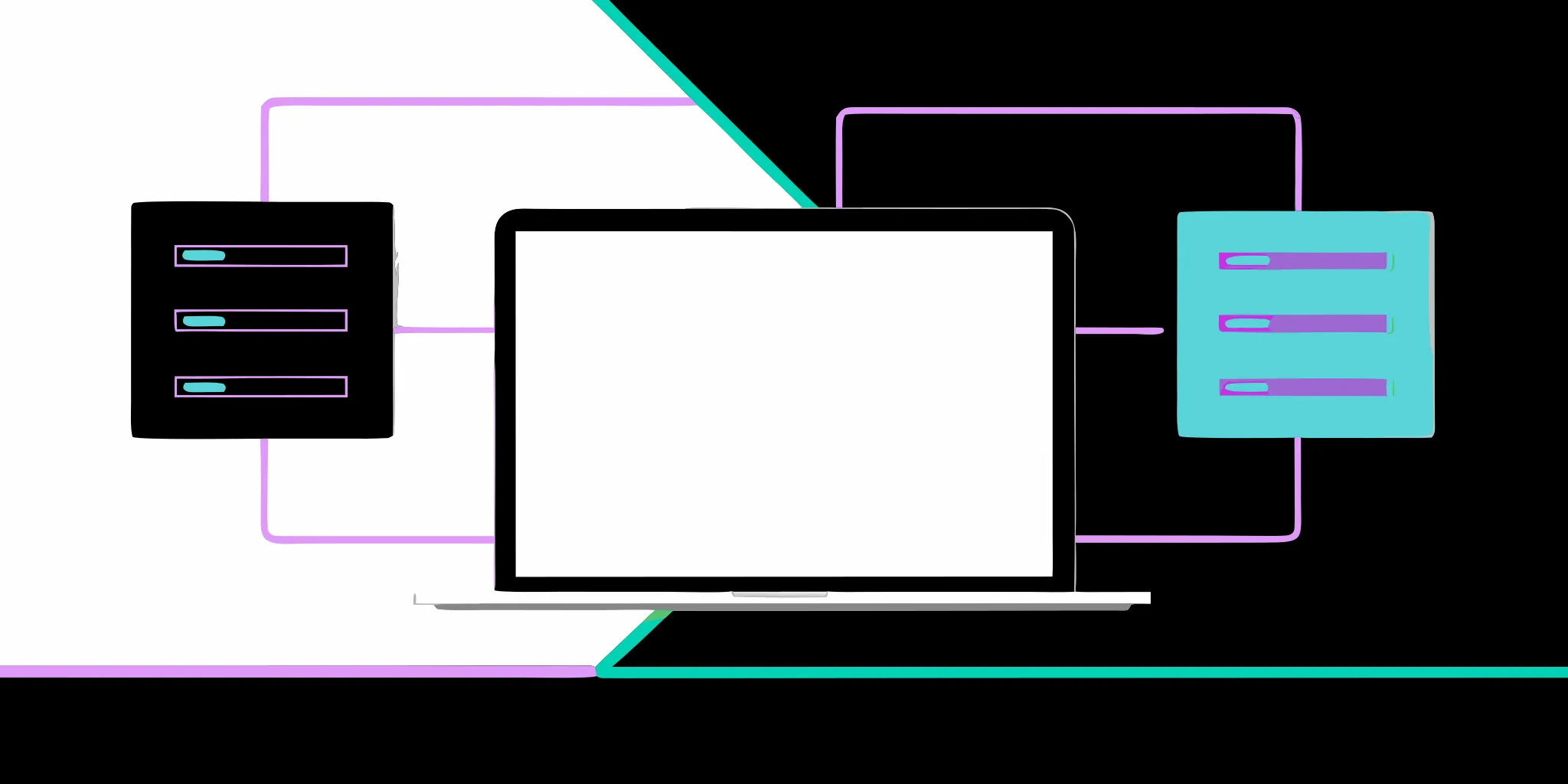
Think of a payment gateway as the digital version of a credit card terminal you'd see at a store. It’s the technology that securely captures a donor's payment information on your donation page and connects to the payment processor to move the money. For any nonprofit accepting donations online, it’s not just a nice-to-have, it’s a must-have.
A payment gateway acts as the secure middleman, ensuring that sensitive financial data is encrypted and transmitted safely. This process builds trust with your supporters, showing them that their personal information is protected. By integrating a gateway, you connect your website or social fundraising tools to a system that orchestrates every transaction. This makes the entire donation process smooth and reliable for both you and your donors, which is a key part of building strong supporter relationships.
How Do Payment Gateways Work?
When a supporter decides to donate, they enter their credit card details on your donation form. The payment gateway instantly encrypts this sensitive data, making it unreadable to anyone trying to intercept it. It then securely sends this information to a payment processor. The processor communicates with the donor's bank to verify that the funds are available and to approve the transaction. Once approved, the decision is sent back through the processor to the gateway, which then confirms the donation on your website. This entire back-and-forth happens in just a few seconds, creating a seamless experience for your donor.
The Importance of Gateways for Online Donations
A reliable payment gateway does more than just process transactions; it strengthens your fundraising efforts. First and foremost, it provides top-notch security. The encryption features are essential for protecting your donors' financial information from potential theft, which is fundamental to maintaining their trust. Gateways also make it easy to automate recurring donations, allowing supporters to set up monthly or yearly contributions without any extra effort. This creates a predictable revenue stream for your organization. By simplifying the giving process, you reduce friction and make it more likely that a person who starts a donation will actually complete it.
4 Ways to Integrate a Payment Gateway
Once you’ve chosen a payment gateway, the next step is to connect it to your website. This is called integration. Think of it as plugging the gateway into your digital donation platform so it can start processing payments. The right method for your nonprofit will depend on your technical resources, your budget, and the kind of donation experience you want to create for your supporters. Most gateways offer a few different ways to get set up, each with its own set of pros and cons. Let's walk through the four most common options so you can find the perfect fit for your organization.
Hosted Payment Pages
Hosted payment pages are the most straightforward way to get started. When a donor clicks your "Donate" button, they are redirected away from your website to a secure page hosted by the payment gateway to enter their information. Once the donation is complete, they’re sent back to your site. This method is popular because the gateway handles the heavy lifting of security and PCI compliance. The main trade-off is that you have less control over the look and feel of the payment page, and the supporter briefly leaves your website, which can interrupt the donor journey. It’s a simple and secure option, especially for organizations without a dedicated tech team.
Direct API Integration
Direct API integration offers the most seamless experience for your donors. Using an API (a type of code that lets different software talk to each other), your developer can build the payment form directly into your own website. This means the donor never leaves your site, and you have complete control over the design of the checkout process. It looks professional and keeps your branding consistent from start to finish. However, this flexibility comes with more responsibility. With a direct integration, your organization is responsible for securing the transaction and meeting all PCI compliance requirements, which can be complex and time-consuming. This option is best for nonprofits with access to development resources.
iFrame Integration
If you’re looking for a middle ground between a hosted page and a full API integration, an iFrame is an excellent choice. An iFrame (or inline frame) embeds the payment gateway’s secure form directly onto your donation page. To your donor, it looks like they are on your website the entire time, creating a smooth and trustworthy experience. Behind the scenes, the gateway is still handling the sensitive payment data, which reduces your security and compliance burden. You get a more integrated feel than a hosted page without the technical complexity of a direct API. This makes it a great balanced option for many nonprofits.
Mobile SDK Integration
If your nonprofit has a mobile app, a mobile SDK integration is the way to go. An SDK, or Software Development Kit, is a set of tools that allows your app developer to build a native payment experience directly within your application. This ensures the donation process is fast, intuitive, and designed specifically for a mobile screen. Instead of sending app users to a web browser to donate, they can give with just a few taps right inside the app. This method is only relevant for organizations with a mobile app, but it’s essential for creating a frictionless giving experience for your mobile-first supporters.
How a Payment Gateway Helps Your Nonprofit
A payment gateway does more than just process transactions. It’s a core part of your fundraising infrastructure that directly impacts your relationships with supporters and your ability to grow. By integrating the right gateway, you can create a seamless giving process that builds trust, saves time, and ultimately helps you raise more for your mission. Let's look at how a payment gateway can specifically help your nonprofit.
Improve the Donor Experience
When someone decides to donate, you want to make it as easy as possible for them to follow through. A clunky or confusing donation page can cause people to abandon the process. A quality payment gateway provides a smooth and consistent donor experience across all channels, whether a supporter is giving on your website, through a social media campaign, or on their mobile device. This consistency builds trust and familiarity. You can also use information from past transactions to offer personalized donation amounts, making your supporters feel seen and understood.
Keep Donations Secure and Compliant
Donors are trusting you with their sensitive financial information. A secure payment gateway is essential for protecting that data and maintaining their trust. Gateways use powerful encryption to shield data from theft as it travels from your donation page to the payment processor. Keeping this data safe is crucial for maintaining your reputation. Furthermore, gateways are built to meet strict industry standards, like PCI compliance. This helps ensure you are following the necessary compliance with regulations without having to become a security expert yourself.
Simplify Your Donation Process
A payment gateway simplifies giving for your supporters and streamlines work for your team. One of the biggest advantages is the ability to automate recurring donations. Supporters can easily set up monthly or yearly contributions, providing your nonprofit with a predictable stream of revenue. This automation means your team spends less time manually processing gifts and more time focusing on your mission. By integrating with your other systems, a gateway ensures that donor data flows smoothly into your database, keeping your records accurate and up-to-date without extra effort.
Save Time and Scale Your Fundraising
As your nonprofit grows, your fundraising tools need to grow with you. A reliable payment gateway can handle a high volume of transactions, which is critical during major campaigns and giving days. By making it possible to accept a donor’s preferred payment method, whether it’s a credit card or a digital wallet, you remove barriers to giving. This efficiency allows you to scale your fundraising efforts effectively. Instead of getting bogged down by administrative tasks, your team can focus on building relationships and launching new initiatives to expand your impact.
How to Set Up Your Payment Gateway: A Step-by-Step Guide
Getting your payment gateway up and running might sound like a job for a developer, but it’s a process you can absolutely manage. Think of it as setting up the digital equivalent of a cash register for your online donations. It’s all about creating a smooth, secure path for supporters to give to your cause. By breaking it down into a few key steps, you can confidently integrate a payment gateway that works for your team and your donors.
The process generally involves four main stages. First, you’ll need to do a bit of research to pick the gateway that best fits your nonprofit’s needs. Once you’ve made your choice, you’ll set up the necessary accounts to start processing payments. After that comes a critical step: testing everything thoroughly to make sure there are no surprises when a real donor tries to give. Finally, you’ll go live and open the doors for online donations. Let’s walk through each of these steps together.
Choose the Right Gateway for Your Nonprofit
Not all payment gateways are built the same, so the first step is finding the one that aligns with your nonprofit's goals. Start by making a list of your must-haves. Do you need to accept recurring donations? Do you have supporters in other countries and need international currency support? How quickly do you need the funds to settle in your account? Answering these questions will help you narrow down your options. Look for a provider with a strong reputation for security and reliable customer support. Facing common challenges is easier when you have a responsive team to help you.
Set Up Your Merchant Account and API Keys
Once you’ve selected a gateway, you’ll need to set up a merchant account. This is a special type of bank account that allows your organization to accept online credit and debit card payments. Your payment gateway provider will usually help you with this process. Next, you’ll get your API keys. API keys are unique codes that act as a secure bridge between your website’s donation page and the payment gateway. This connection is what allows the gateway to securely orchestrate all transactions, ensuring that donor information is transmitted safely and payments are processed correctly.
Implement and Test Your Setup
Before you start accepting real donations, you need to test your setup from top to bottom. You wouldn’t want a donor’s first experience to be a technical glitch. Most payment gateways provide a "sandbox" or test environment for this exact purpose. This lets you run simulated transactions without any actual money changing hands. You can test the entire donation flow, from filling out the form to receiving a confirmation message. Taking the time to use a test environment ensures everything works perfectly and helps you catch any potential issues before your supporters do.
Go Live and Start Accepting Donations
After you’ve thoroughly tested your integration and are confident everything is working smoothly, it’s time to go live. This usually involves switching from the sandbox environment to the live production environment using your live API keys. From this point on, you can start accepting real donations. But the work doesn’t stop here. It’s essential to maintain a secure environment for your donors. Always use a secure connection (HTTPS) on your website and ensure you’re following all security rules, like PCI DSS compliance, to protect customer data. This protects your organization and builds trust with your supporters.
Common Integration Challenges to Prepare For
Integrating a new payment gateway is an exciting step, but it’s smart to go in with your eyes open. Like any tech project, you might run into a few bumps along the way. The good news is that these challenges are well-known, and with a little preparation, you can handle them smoothly. From making sure your donor data is secure to getting the new system to talk to your old software, knowing what to expect is half the battle. By anticipating these common hurdles, you can create a clear plan to address them, ensuring your integration process is less about troubleshooting and more about getting back to your mission.
Meeting Security and Compliance Rules
Protecting your donors' information is non-negotiable. When you integrate a payment gateway, you're handling sensitive data like credit card numbers, and that comes with a big responsibility. You’ll need to meet strict security standards, like PCI compliance, and follow various regional data protection regulations. A great payment gateway is built to manage this for you, using features like encryption to keep donor information safe from potential threats. This isn't just about checking a box; it's about building and maintaining trust with the people who support your cause.
Handling Technical Complexities
Let's be honest: the technical side of integration can feel intimidating. Your team might be dealing with unfamiliar software development kits (SDKs) or application programming interfaces (APIs) to get everything connected. Sometimes, a transaction can fail simply because of a technical error between the gateway and the bank. This is why choosing a gateway with a reputation for reliability and excellent customer support is so important. If you don't have a tech expert on staff, consider a gateway that offers a simple, hosted solution or budget for a developer to help ensure a smooth integration process.
Working with a Limited Budget or Resources
Nonprofits are masters at making every dollar count. Budget constraints and limited staff resources are a constant reality, and investing in new technology can feel like a stretch. Some payment gateways come with setup fees, monthly charges, and transaction fees that can add up. It’s important to find a provider with a transparent and predictable pricing structure that fits your organization's financial picture. Remember to view this as an investment. A seamless donation process can lead to more contributions, making the right payment gateway a tool that strengthens your financial health over time.
Connecting with Older Systems
Many established nonprofits rely on legacy software for accounting or donor management. These older systems can be reliable, but they often don't play well with modern applications. Trying to connect a new payment gateway to an outdated system can create frustrating data silos and require manual workarounds. This integration project could be the perfect opportunity to evaluate your current tech stack. Many modern payment gateways are designed to connect directly with popular nonprofit CRMs, which can automate data entry and give you a much clearer view of your fundraising performance.
Must-Have Payment Gateway Features for Nonprofits
Choosing a payment gateway isn't just a technical decision; it's a strategic one that directly impacts your fundraising success. The right platform does more than just process payments. It creates a seamless experience for your donors, protects their sensitive information, and gives you the data you need to build stronger relationships. As you compare options, look for a solution that’s built with the unique needs of a nonprofit in mind. Focus on these four essential features to ensure you’re setting your organization up for sustainable growth.
Multiple Payment Methods and Recurring Donations
Your supporters all have different preferences for how they like to pay. A great payment gateway makes it easy for everyone to give by accepting multiple payment methods, including credit cards, ACH bank transfers, and digital wallets like Apple Pay or Google Pay. The goal is to remove any hesitation or friction at the moment of giving. Even more important is the ability to automate recurring donations. This feature allows supporters to set up monthly or yearly contributions with just a few clicks, creating a predictable and steady stream of revenue for your mission. It’s one of the most effective ways to build a loyal community of supporters.
Helpful Analytics and Reporting
Your payment gateway is a goldmine of data, and the right one makes it easy to access and understand. Look for a platform with a clear dashboard that shows you key metrics like donation volume, transaction success rates, and giving trends over time. This information helps you understand your donors' behavior and refine your fundraising strategy. The best solutions also offer seamless integration with your existing donor management systems or CRM. This connection gives you a complete picture of every supporter’s journey, from their first interaction on social media to their latest recurring gift. When your systems talk to each other, you can spend less time on manual data entry and more time building relationships.
Fraud Detection and Donor Data Protection
Nothing is more important than earning and keeping your donors' trust. A secure payment gateway is non-negotiable for protecting sensitive financial information and your organization's reputation. Your gateway must be PCI compliant and use security measures like SSL encryption to protect data as it's transferred. Beyond the basics, look for advanced fraud detection tools that can identify and block suspicious activity in real time. This not only keeps donor information secure but also helps prevent donation form fraud, ensuring that the funds you raise go directly toward your mission. Prioritizing security shows your supporters that you value their commitment and take their privacy seriously.
A Mobile-Friendly, Easy-to-Use Interface
Most of your supporters will find your donation page on their phones, often clicking through from a social media post or a direct message. If the donation process is clunky or difficult on a small screen, you risk losing them. That’s why a mobile-friendly, intuitive interface is essential. The donation form should be clean, simple, and require as few steps as possible. Every field should be easy to fill out on a mobile device. By providing a smooth and straightforward payment experience, you reduce friction and make it effortless for people to support your cause. This is especially critical when you’re engaging donors through mobile-first channels like Facebook Challenges, where a seamless transition from engagement to donation is key.
Optimize Your Payment Gateway for More Donations
Setting up a payment gateway is a great first step, but the real magic happens when you fine-tune it to create the best possible experience for your supporters. A clunky, confusing, or slow donation process can stop even the most motivated donor in their tracks. This is especially true when you’re engaging supporters on social media, where attention is fleeting. The goal is to make giving feel like a natural and easy part of their interaction with your nonprofit, not a chore they have to complete.
Think of your payment gateway as the final, crucial step in your donor’s journey. After you’ve inspired them with your mission and connected with them through a Facebook Challenge or direct message, the donation itself should be effortless. By optimizing this process, you not only increase the chances of receiving a gift but also build trust and show supporters that you value their time and generosity. A smooth payment experience reinforces the positive relationship you’re building, encouraging them to give again in the future. It's the digital equivalent of a firm handshake and a warm thank you, solidifying the connection you've worked so hard to create.
Reduce Friction in the Donation Process
Every extra step in the donation process is an opportunity for a potential donor to walk away. Your goal is to remove as many barriers as possible. A streamlined payment gateway with features like one-click donations can make a huge difference in your conversion rates. Instead of asking donors to fill out long forms, use a system that saves their information securely for future gifts. You should also make it simple for supporters to set up recurring donations. Automating monthly or yearly contributions provides your nonprofit with a predictable revenue stream and allows donors to support your cause without having to think about it every time.
Monitor Performance and Maintain Your System
Your payment gateway isn't a "set it and forget it" tool. It’s important to regularly monitor its performance to ensure everything is running smoothly. Keep an eye on transaction success rates and investigate any recurring errors that might be causing donations to fail. It’s also crucial to offer a variety of payment options. Supporters should be able to give using their preferred method, whether that’s a credit card, digital wallet, or bank transfer. By making it easy for people to give in the way they choose, you remove another potential roadblock and make the process more inclusive for everyone.
Best Practices for a Seamless Donor Journey
Trust is the foundation of any donor relationship, and that extends to how you handle their financial information. A secure payment gateway is non-negotiable. Make sure your system uses strong encryption to protect sensitive data from fraud. When donors see that you’re taking their security seriously, it builds their confidence in your organization. Investing in a secure, reliable gateway not only protects your supporters but also safeguards your nonprofit’s reputation. This commitment to security is a key part of creating a seamless and trustworthy donor journey from the first social media message to the final thank you.
Related Articles
- 8 Best Online Donation Platforms for Nonprofits (2025)
- Guide to Facebook Payment Processing for Nonprofits
Frequently Asked Questions
How much does a payment gateway typically cost? Costs can vary quite a bit, so it's important to look at the full picture. Most providers charge a small percentage of each transaction plus a fixed fee, for example, 2.9% + $0.30. Some also have monthly fees, setup fees, or charges for things like chargebacks. When you're comparing options, ask for a complete fee schedule so you can find a transparent pricing model that fits your budget without any surprises.
What's the difference between a payment gateway and a payment processor? It's easy to get these two mixed up, but they play different roles. Think of the payment gateway as the secure credit card terminal on your website; it captures and encrypts the donor's information. The payment processor is the service that actually communicates with the banks to move the money from your donor's account to yours. Many companies offer both services bundled together, which can simplify things for your team.
Do I need a developer to set up a payment gateway? Not necessarily. If you choose a hosted payment page, the setup is very straightforward and usually doesn't require any coding. The gateway provider gives you a secure link to send your donors to. If you want a more integrated experience, like an iFrame or a direct API, you will likely need someone with technical skills to help you get it connected to your website correctly and securely.
Can a payment gateway help with recurring donations? Absolutely, and this is one of its most powerful features for nonprofits. A good payment gateway allows you to securely store a donor's payment information (a process called tokenization) so you can automatically process their monthly or yearly gifts. This creates a stable, predictable source of revenue for your organization and makes it incredibly convenient for your most loyal supporters to give consistently.
How does a payment gateway connect with my other fundraising tools? Most modern payment gateways are designed to work with other software. They often offer pre-built integrations with popular nonprofit CRMs and donor management systems. This connection allows donation data to flow automatically into your database, so you have a complete view of your supporters' giving history without any manual data entry. This keeps your records accurate and saves your team a lot of time.