



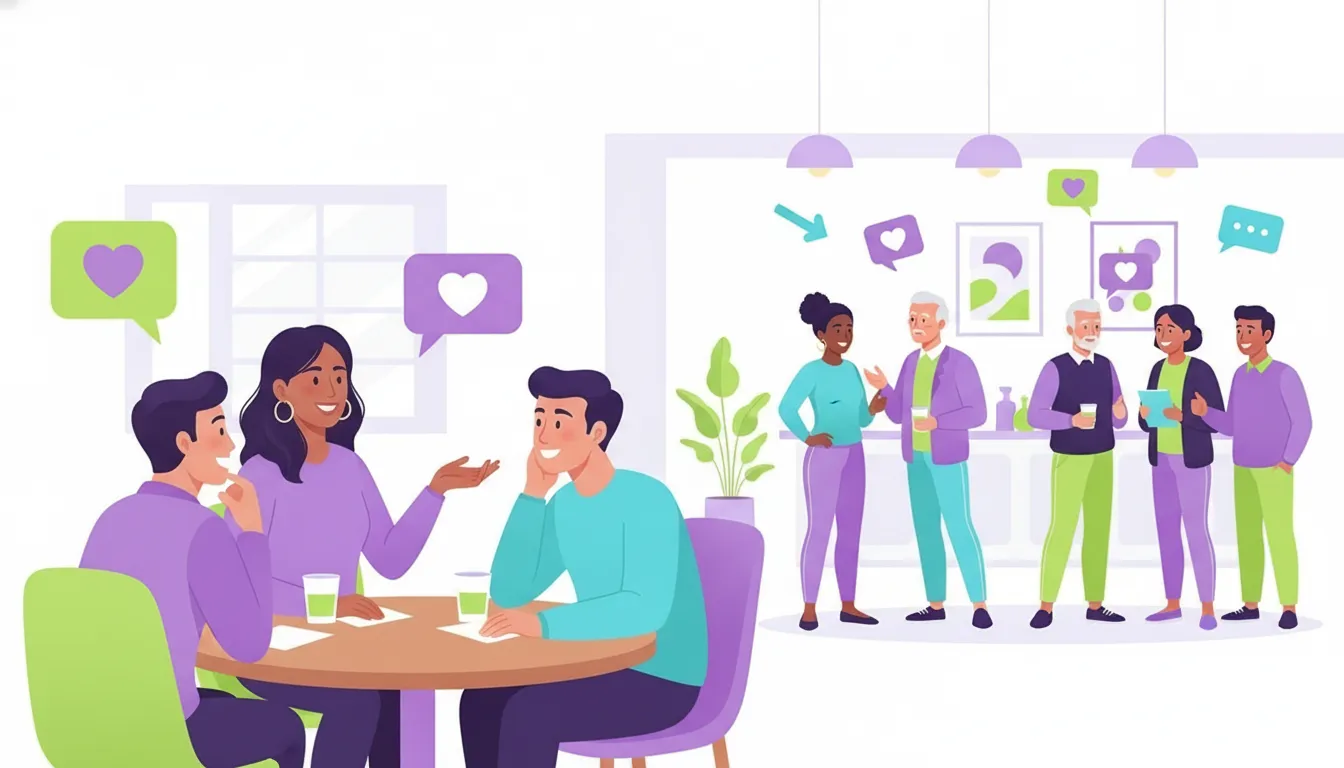






Effective nonprofit fundraising connects mission, audience insight, channel strategy, and relationship building into one coordinated system. It gives leaders a clear way to attract supporters, earn trust, invite action, and deepen commitment over time.
That system matters because fundraising teams operate in a crowded attention environment. Supporters move between social media, email, events, direct mail, and personal conversations. Their experience should still feel coherent, relevant, and human.
A durable strategy does not chase every new tactic. It defines the role of each channel, establishes a shared view of supporter progress, and gives staff the discipline to invest where relationships can grow.
This guide helps senior fundraising, digital, and social media leaders design that strategy. It focuses on diversified revenue, measurable supporter journeys, and Social Direct Messaging that turns anonymous social followers into named, engaged donors.
Build a resilient nonprofit fundraising strategy
A resilient strategy connects revenue goals to specific audiences, offers, channels, and relationship milestones. It protects the organization from overreliance on one campaign or source. Leaders can then direct resources toward a balanced portfolio while adapting execution as supporter behavior, capacity, and organizational priorities change.
Start with the mission and revenue model
Fundraising strategy should begin with the outcomes the organization must fund. Program priorities, unrestricted needs, and long-term commitments shape the right revenue mix. This foundation prevents channel activity from becoming disconnected from mission delivery.
Next, define the role of individual giving within the broader funding model. Major gifts, recurring gifts, peer-led fundraising, events, grants, and corporate support have different economics. They also require different capabilities and timelines.
Senior leaders should make the tradeoffs explicit. If recurring giving is a priority, the organization needs an acquisition path and a retention experience. If peer-led fundraising matters, supporters need tools, coaching, and a compelling reason to recruit others.
Translate goals into a portfolio
A practical fundraising portfolio distributes effort across acquisition, conversion, retention, and expansion. It also distinguishes reliable programs from experiments. The goal is not equal investment everywhere. The goal is an intentional balance of near-term revenue and future capacity.
- Protect the base: Preserve the programs and relationships that reliably sustain the mission.
- Improve the journey: Remove friction between initial interest, first action, first gift, and continued support.
- Test focused opportunities: Run controlled experiments with a clear audience, outcome, owner, and decision date.
- Build reusable capabilities: Invest in data, content, and workflows that strengthen more than one campaign.
Create an operating cadence
Strategy becomes useful when teams revisit it consistently. A monthly review can track performance and resolve execution issues. A quarterly review can examine the portfolio, test results, audience movement, and capacity constraints.
Use a shared plan that connects objectives, campaigns, audiences, messages, channels, owners, and measures. The fundraising plan template guide offers a structure for turning strategic choices into coordinated work.
That cadence should support judgment rather than create reporting theater. Leaders need enough information to decide what to continue, improve, stop, or scale. Every review should end with clear decisions and accountable next steps.
Which fundraising channels belong in your mix?
The right channel mix reaches priority supporters in the places they already use, then moves them toward deeper participation. Each channel needs a defined job within the supporter journey. A diversified mix reduces risk, strengthens learning, and prevents the organization from treating every channel as an isolated revenue source.
Assign every channel a strategic role
Channel planning starts with purpose. Social content can create discovery and participation. Direct Messaging can identify and nurture supporters. Email can deliver detailed updates. Events can strengthen community. Direct mail can create a tangible, considered moment.
These channels should reinforce one another. A supporter may discover a campaign through a friend's post, join a direct conversation, receive a relevant follow-up, and later become a recurring donor. The journey matters more than the last click.
| Channel | Primary strategic role | Leadership question |
|---|---|---|
| Social content | Create discovery, participation, and visible community | How will engagement become an identifiable relationship? |
| Social Direct Messaging | Build one-to-one relationships and guide next actions | Which conversations deserve automation or staff attention? |
| Educate, update, and nurture known supporters | How will content reflect supporter interests and history? | |
| Direct mail | Deliver tangible appeals and stewardship | Which audiences and moments justify the investment? |
| Events and peer-led campaigns | Activate community, identity, and supporter networks | How will participation continue after the campaign? |
Evaluate channels as a connected system
A channel may look inefficient when measured only by direct revenue. It may still create qualified supporters who convert elsewhere. Leaders should evaluate both channel performance and contribution to the wider journey.
Ask where new relationships begin, where supporters become known, and where trust deepens. Then review the handoffs. Lost context, conflicting messages, and long response gaps often weaken performance more than a channel itself.
A connected system also supports better investment decisions. It shows whether paid reach creates durable relationships, whether social engagement becomes identifiable, and whether stewardship increases continued participation.
Choose depth before expansion
Adding a channel creates ongoing work. It requires content, data, workflows, quality control, and measurement. Teams should strengthen a small number of strategically important journeys before expanding into additional channels.
Use the social media fundraising guide to clarify how social activity can support fundraising goals. The objective is not more posting. It is a deliberate path from attention to relationship and action.
Turn social attention into supporter relationships
Social fundraising becomes durable when an organization can move beyond anonymous engagement and begin a relevant one-to-one relationship. Direct Messaging creates that bridge. It helps teams identify interested supporters, understand intent, invite meaningful action, and continue the conversation without depending on another public post.
Recognize the limits of the broadcast model
Social audiences represent real mission interest, but most public interactions reveal little about the person behind them. Likes, comments, and shares can signal affinity without giving fundraising teams a reliable way to continue the relationship.
Posting more content does not solve that gap. Public content remains important for reach, education, and community. However, relationship development requires a path from broad attention to a direct, permission-based exchange.
That shift changes the strategic value of social media. Instead of treating engagement as the final outcome, leaders can treat it as the start of a supporter journey.
Use Social Direct Messaging with purpose
GoodUnited helps nonprofits turn anonymous social followers into named, engaged donors through Social Direct Messaging. Automated flows can welcome participation, learn about supporter interests, share relevant next steps, and invite fundraising action.
The experience remains focused on a one-to-one relationship. Automation handles repeatable moments so staff can scale personal engagement without adding workload. Teams can reserve human attention for conversations where empathy, judgment, or relationship depth matters most.
The strongest programs begin with an audience and intent, not a generic message. A participant in a Facebook Challenge may need encouragement and fundraising support. A Birthday Fundraiser creator may need appreciation, impact context, and a path to stay involved.
Design a clear relationship progression
Every direct conversation should help the supporter take a useful next step. That step could be sharing a name, choosing an interest, completing a donation, starting a fundraiser, or learning how their action supports the mission.
- Begin with context: Connect the message to the action or experience that prompted it.
- Deliver immediate value: Thank, guide, inform, or encourage before asking for more.
- Learn with permission: Ask concise questions that improve future relevance.
- Offer a logical next action: Match the invitation to demonstrated interest and readiness.
- Continue the relationship: Follow through with stewardship, impact, and new ways to participate.
Explore nonprofit relationship-building examples to see how organizations connect social participation with longer-term supporter value.

Align audience, message, and offer
Effective fundraising aligns who the organization is speaking to, what matters to that audience, and which action fits the moment. This discipline improves relevance without sacrificing mission clarity. It also helps teams replace broad appeals with supporter experiences shaped by interest, behavior, relationship stage, and readiness.
Build actionable audience segments
A useful segment changes what the organization does. It should influence the message, offer, timing, channel, or stewardship path. Labels that do not lead to a different decision add complexity without improving the supporter experience.
Start with information the organization can use responsibly. Consider previous actions, expressed interests, campaign participation, relationship stage, and communication preferences. Avoid collecting information that has no clear purpose.
Leadership should also distinguish identity from intent. Someone can care deeply about the mission without being ready to donate. A relevant invitation respects that difference and creates room for the relationship to develop.
Match the offer to the supporter moment
An offer is the specific way a supporter can help. It includes the action, reason, expected impact, and experience around it. Strong offers make participation understandable and meaningful.
A first-time social participant may respond to a simple, immediate action. An established donor may value a deeper impact update or recurring giving invitation. A fundraiser may need practical guidance that helps them succeed.
Do not force every supporter toward the same next step. Create a small set of purposeful paths that reflect common motivations and stages. Then make each path easy to understand and complete.
Develop a message architecture
A message architecture keeps communication consistent while allowing relevance. It defines the central mission narrative, supporting proof, audience-specific emphasis, and calls to action. Teams can then adapt messages without fragmenting the brand.
- Lead with shared purpose: Show the supporter why their values and the mission belong together.
- Make impact concrete: Explain what action enables without overstating certainty.
- Respect the relationship stage: Use invitations that fit what the supporter already knows and has done.
- Close the loop: Report back after an action so the supporter understands its value.
Senior leaders should review message architecture across teams. Fundraising, programs, communications, and social media should tell a coherent story. Internal alignment makes the external relationship more credible.
How do you keep donors engaged after the first gift?
Donor engagement after the first gift depends on timely appreciation, relevant impact communication, and meaningful opportunities to act again. The organization should treat the gift as a relationship milestone, not a completed transaction. A coordinated stewardship journey then builds trust, learns preferences, and supports continued commitment.
Design stewardship before acquisition
Teams often build an acquisition campaign first and decide on follow-up later. That sequence creates a weak handoff at the moment a new donor is most attentive. Stewardship should be part of campaign design from the beginning.
Define what happens immediately after each action. Confirm the gift, express genuine appreciation, explain what comes next, and provide a clear way to engage. Then coordinate future messages across channels.
The first follow-up should not immediately treat the donor as a target for another appeal. It should reinforce the donor's decision and demonstrate that the organization values the person, not only the transaction.
Create a relationship calendar
A relationship calendar balances asks with appreciation, impact, learning, and participation. It gives teams a shared view of the donor experience and prevents uncoordinated communication from overwhelming supporters.
Calendar design should reflect distinct journeys. A recurring donor, peer fundraiser, event participant, and first-time donor need different support. Shared mission messages can remain consistent while cadence and next steps vary.
Use conversation to deepen relevance
Direct conversation gives supporters an active role in the relationship. Rather than inferring every preference, organizations can ask what people care about and how they want to participate.
Social Direct Messaging is especially useful when the relationship began on social media. It keeps the conversation in a familiar environment while helping the organization identify supporters and learn from their responses.
Use those insights to improve stewardship, not simply to increase solicitation frequency. Relevance grows when teams listen, remember, and respond. That practice supports trust across the entire fundraising program.
Which nonprofit fundraising metrics should leaders track?
Leaders should track metrics that show revenue health, supporter movement, relationship strength, and operating efficiency. A useful measurement system connects leading indicators with long-term outcomes. It helps teams understand not only what happened, but also where the supporter journey is improving, slowing, or breaking.
Build a balanced scorecard
Revenue is essential, but it is a lagging result. A balanced scorecard also tracks the relationships and actions that create future revenue. This gives leaders time to address weaknesses before they become financial problems.
- Acquisition: Track new identifiable supporters, first-time donors, source, and cost where applicable.
- Conversion: Track movement between meaningful stages, not only final donations.
- Retention: Track continued giving, recurring participation, and re-engagement.
- Relationship depth: Track known interests, responses, fundraising participation, and other meaningful actions.
- Efficiency: Track staff effort, campaign cost, workflow capacity, and time to follow up.
Measure journeys, not isolated campaigns
Campaign reports can hide the connections between channels. A supporter may engage several times before donating. Another may donate once, then become a fundraiser who brings others into the mission.
Journey measurement shows those patterns. It helps leaders value relationship-building activity while maintaining accountability for revenue. It also reveals which transitions need better messaging, offers, or follow-up.
Use consistent definitions across teams. Decide what counts as an identified supporter, engaged donor, active fundraiser, retained donor, and meaningful interaction. Shared language prevents competing reports from creating false certainty.
Turn reporting into decisions
A dashboard is useful only when it changes action. Each metric should have an owner, review cadence, and expected decision. Teams should know what they will investigate when performance moves outside an agreed range.
Pair quantitative trends with conversation insights. Direct responses can explain why supporters hesitate, participate, or disengage. Together, the data and context support stronger strategic decisions.
Govern growth without losing trust
Sustainable fundraising growth requires governance that protects supporter trust while enabling teams to move quickly. Clear ownership, responsible data practices, message standards, and escalation paths help organizations scale consistent experiences. Governance should reduce avoidable risk without creating unnecessary barriers to useful experimentation and relationship building.
Define ownership across teams
Fundraising, digital, communications, data, and program teams often influence the same supporter experience. Without clear ownership, important handoffs fail and messages compete. Leaders should assign accountability for journeys, data quality, content approval, and performance decisions.
Ownership does not mean isolation. A journey owner coordinates the full experience and brings the right specialists into decisions. This model helps teams move from channel-specific activity toward shared supporter outcomes.
Use automation to strengthen human work
Automation should make timely, relevant communication possible at scale. It can handle repeatable guidance, route responses, capture preferences, and maintain consistent follow-up. It should not imitate empathy or hide when human judgment is needed.
Set clear rules for escalation. Sensitive questions, complex needs, complaints, and high-value relationship moments may require staff attention. Routine interactions can remain automated when they are helpful, transparent, and aligned with supporter expectations.
GoodUnited is built around this balance. Its Social Direct Messaging approach helps nonprofits scale one-to-one relationships without adding workload, while keeping the supporter journey focused on meaningful human connection.
Protect trust through disciplined data use
Collect data because it improves the relationship, not because it might become useful later. Explain the value of sharing information, honor communication preferences, and limit access to the people and systems that need it.
Review automated journeys and messages regularly. Confirm that links work, responses route correctly, language remains accurate, and supporters can reach a person when appropriate. Quality assurance is part of stewardship.
Nonprofit fundraising FAQs
These answers address common leadership questions about building a coordinated, relationship-led fundraising program. They clarify how strategy, diversification, social media, and Direct Messaging work together. Use them to align internal stakeholders before choosing tactics, changing processes, or investing in new fundraising capabilities.
What is nonprofit fundraising?
Nonprofit fundraising is the coordinated work of earning financial support for a mission. It includes strategy, audience development, campaigns, donor relationships, stewardship, measurement, and governance. Strong fundraising creates valuable supporter experiences while securing the resources an organization needs to deliver impact.
Why should a nonprofit diversify its fundraising channels?
Diversification reduces dependence on one source and creates several ways for supporters to participate. The channels should work as a connected system, not as separate programs. Leaders should assign each channel a role and measure how it contributes to relationships and revenue.
How can social media support nonprofit fundraising?
Social media can create awareness, participation, community, and direct fundraising opportunities. Its strategic value grows when nonprofits turn public engagement into identifiable supporter relationships. A clear path into Direct Messaging helps teams continue relevant conversations and guide meaningful next actions.
What is Social Direct Messaging for nonprofits?
Social Direct Messaging uses one-to-one conversations inside social platforms to engage and nurture supporters. GoodUnited helps nonprofits turn anonymous followers into named, engaged donors through automated flows, segmentation, fundraising experiences, and ongoing relationship building without adding workload.
Strengthen your next fundraising decision
A stronger fundraising program begins with one focused decision about the supporter journey. Leaders can clarify a priority audience, repair a weak handoff, connect social engagement to Direct Messaging, or improve stewardship after the first gift. The best next step is specific, measurable, and aligned with capacity.
Start by identifying where valuable attention is currently lost. Then define the relationship you want to build, the next action that fits, and the operating process needed to sustain it. A focused improvement can create learning that strengthens the wider portfolio.
GoodUnited helps nonprofits make social audiences more valuable to the mission. Social Direct Messaging turns anonymous followers into named, engaged donors and scales one-to-one relationships without adding workload.