






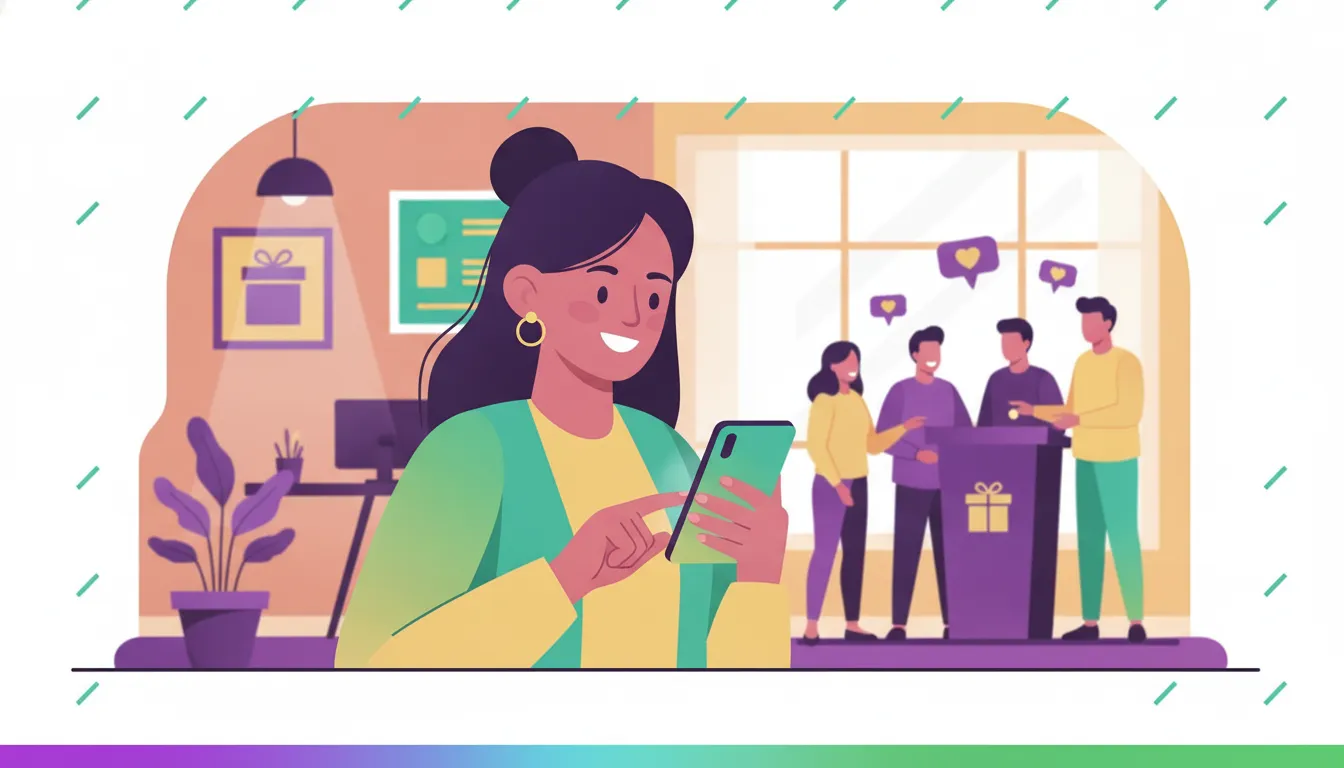


A nonprofit direct messaging strategy gives fundraising teams a repeatable way to turn anonymous social engagement into one-to-one supporter relationships. Instead of treating a comment, reaction, or fundraiser signup as the end of an interaction, the strategy opens a permission-based social direct message. The conversation helps your team learn what each supporter cares about, provide relevant next steps, and nurture long-term participation.
Book a free strategy session to identify the highest-value direct messaging opportunity in your current social audience.
This is not a plan for deploying a generic chatbot. It is a relationship-channel strategy that combines thoughtful journeys, automated flows, segmentation, and timely human involvement. The result is a sustainable supporter pipeline that can grow without asking staff to manually manage every conversation.
What is a nonprofit direct messaging strategy?
A nonprofit direct messaging strategy is a documented plan for acquiring permission to message social followers, learning about their interests, and guiding them toward meaningful actions through personalized one-to-one conversations. It defines audiences, journeys, messages, automation rules, human handoffs, and the metrics used to improve results.
Most nonprofit social strategies focus on reach and public engagement. Those measures matter, but they rarely tell a fundraising team who a supporter is, what motivates them, or what action they are ready to take. Direct messaging closes that gap by moving willing followers into a private, permission-based conversation.
GoodUnited calls this approach Social Direct Messaging. Its platform helps nonprofits connect Facebook posts to Messenger, create named supporter profiles, build automated journeys, segment audiences, and analyze the actions that lead to donations, fundraising, and participation. These capabilities make direct messaging a measurable relationship channel rather than a series of isolated replies.
The opportunity is already substantial. GoodUnited reports that its work with more than 1,000 nonprofit partners has helped raise more than $2 billion and engage more than 4 million supporters. Those outcomes demonstrate the value of building a system around existing social audiences instead of viewing social engagement as an end in itself.
From anonymous engagement to known relationships
A public reaction tells you that someone noticed a post. A direct messaging subscriber gives you permission to continue the conversation. As supporters respond, your team can capture interests, participation history, and preferred next steps in a profile. That context makes future outreach more useful and gives fundraisers a clearer picture of the people behind social metrics.
From campaigns to an ongoing channel
A campaign may prompt an initial conversation, but the strategy should plan what happens after it. A welcome can lead to an impact story, a preference question, a participation invitation, or an appropriate fundraising ask. This ongoing journey is what turns a moment of attention into a durable relationship.
How do you build a nonprofit direct messaging strategy?
Build a nonprofit direct messaging strategy by selecting one priority outcome, defining the audiences most likely to support it, and mapping their journeys. Then write useful message paths, set human handoff rules, and measure conversion and relationship signals. Start with one focused use case, then expand from evidence.
A strong plan begins with a fundraising or engagement problem, not with automation. For example, a team may want to welcome Facebook Challenge participants, turn birthday fundraisers into repeat supporters, or identify followers who are interested in monthly giving. Each use case requires a different audience, message sequence, and success measure.
- Choose one outcome. Define the specific action the journey should support, such as completing a fundraiser, making a first gift, or expressing interest in another way to participate.
- Define the audience. Identify what qualifies a supporter to enter the journey. Use known actions and preferences, not assumptions based only on demographics.
- Map the relationship journey. Document what the supporter needs to understand, feel, and do at each stage. Include stewardship between calls to action.
- Write conversational message paths. Ask one clear question at a time, acknowledge responses, and provide choices that help supporters guide the conversation.
- Set automation and handoff rules. Automate repeatable moments while routing sensitive, complex, or high-value conversations to staff.
- Measure and improve. Review opt-ins, responses, completed actions, and long-term participation. Use those findings to improve the journey.
Set goals that connect to fundraising outcomes
A direct messaging program needs more than an open-rate target. Tie the primary goal to a meaningful supporter action, then use engagement measures to diagnose performance. If the goal is to convert Challenge participants into donors, for example, track the number who complete the journey, make a gift, and remain engaged after the campaign.
Design for consent and supporter choice
Permission and relevance are foundational. Tell supporters what they can expect, make choices easy to understand, and respect the preferences they share. A strategy that prioritizes supporter agency produces better information and protects the trust your mission depends on.
Segment supporters before you start conversations
Segmentation determines whether a message feels helpful or generic. Start with signals that reveal intent: the post a supporter engaged with, the fundraiser they joined, the issue they selected, or the action they completed. Those signals are more useful than sending the same message to everyone who follows the organization.
GoodUnited's supporter profiles centralize direct messaging subscribers, donor history, supporter actions, motivations, and personal stories. Fundraising teams can use this context to identify meaningful groups and tailor journeys without losing sight of the person behind the data.
Useful segments for an initial program
- New direct messaging subscribers: introduce the mission and ask what matters to them.
- Facebook Challenge participants: provide coaching, encouragement, and next-step opportunities.
- Birthday or memorial fundraisers: recognize their personal connection and steward their advocacy.
- First-time donors: thank them, report impact, and learn how they want to stay involved.
- Highly engaged non-donors: offer a relevant, low-friction path to deepen participation.
A segment should change what the supporter experiences. If two groups receive the same journey, they may not need to be separate. Keep the model practical enough for your team to manage and refine.
Map messages to the supporter journey
A journey map connects each message to a supporter need and an organizational goal. It prevents teams from rushing from welcome to ask, and it makes stewardship a deliberate part of the program. Every stage should answer a simple question: what is the most useful next interaction for this supporter?
| Journey stage | Message purpose | Supporter action | Primary measure |
|---|---|---|---|
| Acquisition | Invite a permission-based conversation | Opt in to messages | Subscriber conversion |
| Discovery | Learn interests and motivation | Share a preference | Response rate |
| Engagement | Deliver relevant impact and opportunities | Click, reply, or participate | Meaningful engagement |
| Conversion | Present an appropriate next step | Donate, fundraise, or register | Completed action |
| Stewardship | Thank and report impact | Continue the relationship | Repeat participation |
GoodUnited's automated flows can support trigger-based journeys for moments such as an initial experience, post-donation stewardship, staying involved, and monthly giving. Templates help teams move faster, but each journey should still reflect the organization's voice, mission, and supporter expectations.
Talk with a GoodUnited strategist about turning one priority supporter journey into a measurable direct messaging program.
How can you automate without losing the human connection?
Use automation for timely, repeatable moments, while preserving supporter choice and clear paths to a person. Personalization should be based on known actions and preferences, not superficial tokens. The goal is not to automate relationships; it is to make relevant relationship-building possible at scale.
Automation works well when it removes delays and routine work. It can welcome new subscribers, acknowledge participation, ask a preference question, deliver a promised resource, or share a timely impact update. This consistency ensures supporters receive a useful response even when staff cannot reply immediately.
Human involvement remains essential. Establish handoff rules for complex questions, sensitive stories, complaints, major-gift signals, and direct requests for staff. Make ownership clear so conversations do not stall after a handoff. Review transcripts and response patterns regularly to identify where a journey feels confusing or impersonal.
Use known context to create relevance
Relevant personalization might acknowledge that a supporter completed a Facebook Challenge, selected a program interest, or made a first donation. It should not pretend that an automated message is a personal note from a staff member. Honest, contextual communication builds more trust than forced familiarity.
Keep the channel useful
Every message should provide value, request a reasonable action, or learn something that improves the relationship. Avoid sending messages simply because the workflow allows it. Frequency, clarity, and easy choices all influence whether supporters continue to welcome the conversation.
How should nonprofits measure direct messaging?
Measure direct messaging across the full supporter journey, from subscriber acquisition and meaningful replies to donations, fundraising participation, repeat actions, and retention. Engagement metrics show where a journey needs attention, while completed supporter actions reveal whether the program is advancing fundraising and relationship goals.
Open and click rates are useful diagnostic measures, but they are not the final goal. A strong measurement plan connects each journey to the action it is designed to support. It also compares groups and message paths so the team can learn which experiences lead to deeper involvement.
Track leading and outcome measures
- Acquisition: opt-in rate and cost per new direct messaging subscriber.
- Conversation quality: response rate, preference completion, and unresolved questions.
- Action: donation conversion, fundraiser activation, registration, or volunteer interest.
- Value: revenue per subscriber, average gift, and return on investment.
- Relationship: repeat participation, recurring giving, and retention over time.
GoodUnited's platform includes analytics that connect messages, audience segments, and supporter actions. This helps teams see which journeys contribute to results and where supporters disengage. Review results on a consistent cadence, but avoid changing a journey before enough supporters have experienced it to produce a useful signal.
Common mistakes to avoid
The most common mistake is treating direct messaging as another broadcast list. Sending the same ask to every subscriber wastes the context that makes the channel valuable. Other risks include launching too many journeys at once, measuring only message activity, and failing to assign staff ownership for human handoffs.
Another mistake is overcomplicating the first launch. A focused journey with a clear audience, a clear next step, and a small set of meaningful measures will teach your team more than a sprawling program. Once the experience works, expand into related journeys and connect them into a broader supporter lifecycle.
Finally, do not separate direct messaging from the rest of fundraising. Coordinate message timing with email, events, campaigns, and donor stewardship. Use the insights supporters share to improve their experience across channels.
Frequently asked questions
Is nonprofit direct messaging the same as a chatbot?
No. A chatbot is one tool that may automate parts of a conversation. A nonprofit direct messaging strategy defines the audiences, journeys, relationship goals, automation, human handoffs, and measurement needed to turn social engagement into ongoing supporter relationships.
Which social channel should a nonprofit use first?
Start where your organization already has an active audience and a clear use case. GoodUnited focuses on Facebook Messenger, which can connect existing Facebook engagement, Challenges, and fundraisers to permission-based supporter journeys.
What should the first direct messaging journey accomplish?
Choose one meaningful outcome tied to an existing supporter moment. Welcoming Challenge participants, stewarding first-time donors, or learning the interests of new subscribers are practical starting points because each has a defined audience and next step.
How much staff time does direct messaging require?
The requirement depends on journey volume and handoff rules. Automated flows can handle repeatable interactions, while staff focus on conversations that need judgment or a personal response. Clear ownership and regular reviews help teams scale without adding unnecessary workload.
Turn social engagement into supporter relationships
A disciplined direct messaging strategy helps your nonprofit learn who its social supporters are, understand what motivates them, and offer relevant ways to participate. With focused journeys, thoughtful automation, and measurement tied to fundraising outcomes, your team can build one-to-one relationships at a scale that public posting alone cannot provide.
Book a free strategy session with GoodUnited to map the first or next direct messaging journey for your nonprofit.