

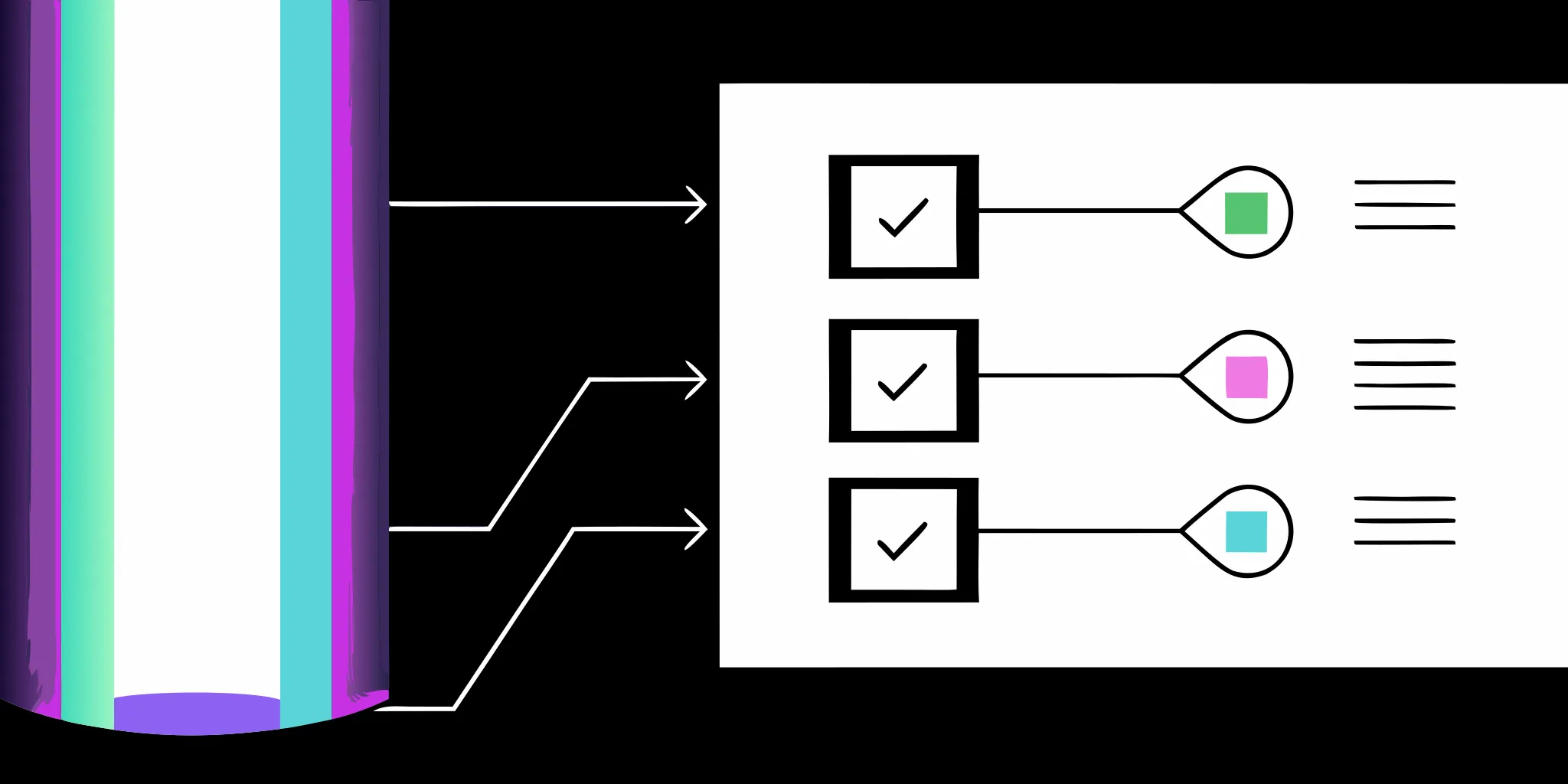









Think of your grant fundraising efforts as a journey. You start by identifying potential destinations (funders), plan your route (application process), and hopefully, arrive at your goal (a signed grant agreement). Without a map, this journey can be confusing, with wrong turns and missed opportunities. A grant pipeline is that map. It’s a dynamic system that shows you exactly where every opportunity is on its journey, from a prospect on the horizon to a fully funded partner. This guide will show you how to build and manage your grant pipeline, creating a clear, repeatable process that guides your team toward your funding goals with confidence.
Key Takeaways
- Systematize your grant seeking: Move beyond a simple to-do list by building a grant pipeline. This visual system organizes your applications into clear stages, turning a chaotic process into a predictable strategy for managing deadlines, aligning your team, and forecasting revenue.
- Create a clear, repeatable process: A successful pipeline needs structure. Define the stages for every grant (from research to reporting), assign a single person to own each opportunity, and hold regular team meetings to keep your data fresh and everyone on the same page.
- Focus on relationships and diversification: Use your pipeline to track every funder interaction, which helps you build stronger partnerships. Remember that grants are just one piece of the puzzle; create long-term stability by also cultivating individual donors, especially by engaging supporters you already have on social media.
What Is a Grant Pipeline?
Think of a grant pipeline as your command center for all things grants. It’s a system that organizes your grant applications into clear, manageable stages. Instead of a messy folder of documents or a single, overwhelming to-do list, a pipeline gives you a visual snapshot of every opportunity, from initial research to the final report. It breaks down the entire grant lifecycle into a step-by-step process, so you can see exactly where each application stands at a glance. This clarity helps you manage your workload, stay on track, and build a more predictable and sustainable grant funding strategy for your nonprofit.
Why you need one
A grant pipeline does more than just keep you organized; it helps you fundraise smarter. It gets your entire team on the same page, ensuring everyone is working toward the same goals and understands their role. This alignment prevents common mistakes, like missing a critical deadline or sending mixed messages to a funder. A pipeline also gives you a high-level view of your efforts, helping you forecast future funding and avoid last-minute scrambles for cash. It creates a reliable system that keeps your grant work moving forward, even if a key team member leaves, making your fundraising strategy more resilient.
Grant pipeline vs. a simple grant list
You might be tracking opportunities in a spreadsheet, and that’s a solid start. A simple list is great for collecting names and deadlines. A grant pipeline, however, is a dynamic tool built for action. While a list tells you what grants you’re pursuing, a pipeline shows you where each one is in the process. It’s a visual workflow that groups your applications by stage, like “Prospecting,” “Application in Progress,” or “Submitted.” This makes it much easier to see what needs your attention right now. Just as you nurture and track supporter relationships through a journey, a pipeline helps you guide each grant opportunity from one stage to the next.
The 7 Stages of a Grant Pipeline
A grant pipeline breaks the entire grant lifecycle into clear, manageable steps. Instead of a chaotic scramble, you get an organized system that shows you exactly where every opportunity stands. Thinking about the process in stages helps your team stay aligned, meet deadlines, and build stronger relationships with funders. While your organization might have unique steps, most successful
This structure is not just for large, established development teams; even a one-person shop can benefit from the clarity and focus a pipeline provides. It transforms grant seeking from a reactive, overwhelming task into a proactive, strategic process. By visualizing each step, you can spot bottlenecks, forecast potential revenue, and ensure no opportunity falls through the cracks. It's about creating a repeatable system for success. When you can see your entire portfolio of grants at a glance, from initial prospect to final report, you can make better decisions about where to invest your team's limited time and resources. This approach also helps with long-term planning, allowing you to anticipate funding gaps and opportunities far in advance. Ultimately, a well-managed pipeline gives you control over your grant fundraising, making the process less stressful and much more effective.
1. Identify prospects
This is the discovery phase where you research and identify foundations or corporations that could be a good fit for your work. The goal is to build a list of potential funders whose missions and giving priorities align with your own. Think of this as matchmaking for your nonprofit. A strong pipeline begins with quality prospects, so take the time to vet each opportunity. Your grant pipeline is the system you'll use to organize and track these prospects as they move from a simple name on a list to a potential partner in your mission.
2. Build relationships
Grant funding is about relationships, not just transactions. Once you’ve identified a promising prospect, the next step is to make a human connection. This could mean reaching out to a program officer for an introductory call, attending a funder’s webinar, or connecting with their staff at a conference. The goal is to build a relationship before you ever submit a proposal. This gives you a chance to ask questions, get feedback on your ideas, and ensure your project is truly a good fit. A funder who knows you is more likely to invest in your work.
3. Write the application
Now it’s time to put pen to paper (or fingers to keyboard). This stage involves drafting the grant narrative, developing a detailed project budget, and gathering all the required attachments, like your 501(c)(3) letter or financial statements. This is often a team effort, with different people contributing their expertise to create a compelling and comprehensive proposal. Your team is actively working on the application, so clear communication and project management are key to making sure all the pieces come together smoothly and tell a cohesive story about your impact.
4. Submit the proposal
You’ve written the proposal, checked it twice, and now you’re ready to send it off. This stage is all about submitting the application correctly and on time. Pay close attention to the funder’s instructions; some may require submission through an online portal, while others prefer email. After you submit, it’s a good practice to confirm that the funder received your application. A quick confirmation email can provide peace of mind and ensures your hard work didn't get lost in cyberspace. A strong nonprofit grant pipeline depends on this crucial, final step of the application process.
5. Manage the award
Congratulations, you got the grant! But the work isn't over. This stage involves everything that happens after you receive the funding. This includes signing the grant agreement, setting up a system to track your spending, and beginning the project you proposed. Proper award management is essential for accountability and for maintaining a good relationship with your funder. How you manage the funds, report on your progress, and steward the relationship during the grant period will directly impact your chances of receiving support from them in the future.
6. Learn from rejection
Not every application will be successful, and that’s okay. Rejection is a normal part of the grant-seeking process. Instead of simply moving on, treat every "no" as a learning opportunity. Many funders are willing to provide feedback on why your proposal wasn't selected. Don't be afraid to ask for feedback to help you improve. This insight is incredibly valuable and can help you strengthen your case for support, refine your project ideas, and submit a much stronger application the next time around.
7. Report and renew
As you reach the end of the grant period, your focus will shift to reporting on your outcomes. This is your chance to show the funder the incredible impact their investment made possible. You’ll share data, tell stories, and formally report on your progress toward the goals you set in your proposal. Excellent reporting not only fulfills your obligations but also sets the stage for your next request. By keeping track of your results and maintaining open communication, you pave the way to ask for more money and hopefully turn a one-time grant into a long-term partnership.
How to Build Your Grant Pipeline from Scratch
Building a grant pipeline from the ground up might sound intimidating, but it’s really about creating a clear, repeatable system. Think of it less as a mountain to climb and more as a path you build one stone at a time. A strong pipeline moves you from a reactive, last-minute scramble for funding to a proactive, strategic approach that brings in grants more consistently. It’s about planning, not luck. Let’s walk through the five key steps to create your own.
Find and prioritize funders
The first step is to identify potential grantmakers. This is your research phase, where you’ll build a master list of foundations, corporations, and government agencies that could support your work. Use grant databases, look at the funders of similar nonprofits, and keep your eyes peeled for announcements.
Once you have a list, it’s time to prioritize. You can’t apply to everyone, so you need to figure out who is the best fit. Rank your prospects based on factors like their alignment with your mission, their average grant size, and their geographic focus. This process helps you invest your limited time and energy where it’s most likely to pay off, creating a focused list of your most promising grant prospects.
Check for mission alignment
This step is so important it deserves its own spotlight. Before you write a single word of an application, do a deep dive into a funder’s mission and past giving. Does their vision for change match yours? Read their annual reports, browse their website, and look at the list of organizations they’ve recently funded. If you can’t see your nonprofit fitting in on that list, it might not be the right opportunity.
Pay close attention to the specific rules, eligibility requirements, and deadlines. There’s nothing more frustrating than pouring hours into an application only to realize you missed a key detail. Checking for mission alignment early on saves you time and helps you focus your efforts on funders who are genuinely excited about the work you do.
Pick your tracking tool
A grant pipeline is only as good as your ability to manage it. You need a central place to store all your research, track deadlines, and monitor your progress with each funder. If you’re just starting out, a simple spreadsheet can work wonders. You can create columns for the funder’s name, deadline, status, and next steps.
As your grant program grows, you may want to graduate to a more robust system. Project management tools like Trello or Asana can help you visualize your pipeline stages. Eventually, a dedicated grant management software or a nonprofit CRM is the best way to manage all your data and relationships in one place. The key is to pick a tool you’ll actually use and stick with it.
Define your pipeline stages
To make your pipeline functional, you need to define the stages that a grant opportunity will move through. This turns your tracking tool from a static list into a dynamic workflow. While you can customize these, a great starting point includes stages like: Researched, Contacting, Application in Progress, Submitted, Awarded, and Declined.
You might also add stages for “Reporting Due” or “Renewal.” Clearly defining these steps helps everyone on your team understand exactly where each opportunity stands and what needs to happen next. It creates a shared language and a clear process for moving grants from initial idea to a signed check, just as outlined in this helpful grant pipeline guide.
Customize your approach
Finally, remember that grantmaking is about relationships. Funders are people, and they want to partner with organizations they trust. As you interact with program officers and foundation staff, take notes on your conversations. Did they mention a preference for email over phone calls? Did they give you specific feedback on a past proposal?
Keep a record of these details in your tracking tool. This allows you to personalize your communication and show that you’re listening. It’s also smart to assign a specific person on your team to be the primary contact for each funder. This ensures clear ownership and helps you build a consistent, long-term relationship. This focus on 1:1 relationships is what turns a good grant pipeline into a great one.
How to Effectively Manage Your Grant Pipeline
Creating a grant pipeline is a fantastic first step, but the real magic happens when you actively manage it. A well-maintained pipeline is more than a list; it’s a dynamic roadmap that guides your fundraising strategy, keeps your team aligned, and turns opportunities into funding. Think of it as a living document that grows and adapts with your organization. By putting a few simple practices in place, you can ensure your pipeline is a powerful tool that helps you work smarter, not harder, and ultimately secure the resources you need to advance your mission.
Assign clear owners
To prevent opportunities from falling through the cracks, make sure a specific person is responsible for each grant in your pipeline. When everyone assumes someone else is handling a task, it’s easy to miss a deadline or a key communication. Assigning a clear owner for each grant ensures accountability from start to finish. This person becomes the point person for that application, responsible for tracking progress, communicating with the funder, and keeping the team updated. This simple step brings clarity to your process and empowers your team members to take ownership of their work.
Schedule regular pipeline reviews
A grant pipeline is only useful if it’s up to date. To keep your pipeline relevant and your team on the same page, schedule regular review meetings. A monthly or bi-weekly check-in is a great cadence for most teams. Use this time to walk through the pipeline together, discuss the status of each opportunity, identify any roadblocks, and make strategic decisions. These meetings are your chance to celebrate wins, troubleshoot challenges, and ensure everyone is aligned on priorities. A pipeline you’ll actually use is one that is consistently reviewed and refined by the whole team.
Keep your data fresh
Your grant pipeline should be your organization's single source of truth for all things grants. This means it needs to hold more than just deadlines and funding amounts. Get into the habit of recording every interaction you have with a funder. Note whether they prefer emails or phone calls, log any feedback they provide on a proposal, and jot down key takeaways from meetings. This detailed information is invaluable for future applications and helps you build a rich, historical record of your relationship with each funder. It transforms your pipeline from a simple tracker into an intelligent, strategic asset.
Track key metrics
Tracking the right data helps you understand the effectiveness of your grant-seeking efforts and tell a more compelling story about your impact. Before you even begin a project, you should decide how you'll measure its impact. This includes both quantitative metrics (like your win rate, average grant size, and applications submitted) and qualitative ones (like success stories and lessons learned). Regularly reviewing these metrics will help you see what’s working and where you can improve. This data-driven approach not only strengthens your future grant proposals but also demonstrates a high level of accountability to potential funders.
Nurture funder relationships
At the end of the day, grant-seeking is about relationships. Funders are people, and they want to partner with organizations they trust and believe in. A strong nonprofit grant pipeline is always built on good relationships. Go beyond the transactional nature of submitting an application and focus on building genuine connections. Send personalized thank-you notes, share progress updates even when they aren’t required, and don’t be afraid to ask for feedback. Nurturing these relationships can lead to multi-year funding, valuable introductions, and a true partnership in advancing your cause.
Tools to Manage Your Grant Pipeline
Once you’ve decided to build a grant pipeline, the next question is where it should live. The right tool depends on your team’s size, the number of grants you’re pursuing, and your budget. You don’t need a fancy, expensive system to be effective, especially when you’re just starting out. The goal is to choose a tool that your team will actually use to keep information organized and accessible.
You can start small and upgrade as your grant-seeking efforts become more complex. Many nonprofits begin with a simple spreadsheet and eventually move to more specialized software as their needs grow. The key is to find a system that centralizes your data, clarifies your workflow, and helps you track your progress toward your funding goals. Let’s look at four common options, from the simplest to the most comprehensive.
Spreadsheets and templates
If you're new to grant management or working with a small team, a spreadsheet is a fantastic, no-cost starting point. Using Google Sheets or Microsoft Excel, you can easily create a tracker that captures all the essential information for each grant opportunity. You can build your own or use a pre-made grant tracking template to get started right away. A good template will include columns for the funder’s name, deadline, amount requested, status, and next steps.
While spreadsheets are simple and accessible, they have their limits. They can become difficult to manage as your list of prospects grows, they don’t offer automated reminders, and collaborating with multiple team members can lead to version control issues. They are a great first step, but be prepared to move on when you start feeling the growing pains.
Project management tools
When your spreadsheet starts to feel a bit chaotic, a project management tool is a logical next step. Platforms like Asana, Monday, or Trello use visual, card-based layouts that are perfect for managing a pipeline. You can create columns for each stage of your grant process, like “Research,” “Application in Progress,” and “Submitted.” Each grant becomes a movable card that you can drag and drop as it progresses.
These tools make collaboration a breeze. You can assign tasks to team members, set deadlines, attach documents directly to a grant’s card, and have conversations in one place. This keeps everyone on the same page and ensures nothing falls through the cracks. It’s a significant improvement in organization from a static spreadsheet, without the complexity of a full-blown CRM.
Grant management software
For organizations where grants are a primary source of funding, specialized grant management software can be a game-changer. These platforms are designed specifically for the grant lifecycle, from prospecting to reporting. They often include features that general project management tools lack, such as integrated funder databases, tools for tracking reporting requirements, and templates for building proposals and budgets.
This type of software acts as a central hub for all your grant-seeking activities. It helps you manage deadlines, store all relevant documents, and track your communication with funders. By focusing exclusively on grants, these tools streamline the entire process for your development team. They are an investment, but for a grant-heavy organization, the efficiency gains can be well worth it.
Nonprofit CRMs
A nonprofit Customer Relationship Management (CRM) system is the most powerful and integrated option. While a spreadsheet or project management tool tracks your grant process, a CRM tracks your entire relationship with funders. Many nonprofit CRMs include built-in pipeline features that let you manage grants alongside every other interaction you have with an individual or foundation.
With a CRM, you can see if a foundation’s board member has also personally donated, attended an event, or volunteered. This 360-degree view is invaluable for building strong, long-term relationships. It allows you to move beyond transactional grant applications and cultivate genuine partnerships. If your organization is growing and you want to manage all your fundraising and donor data in one place, a CRM is the best long-term solution.
Common Grant Pipeline Challenges (and How to Overcome Them)
Even the most organized teams run into roadblocks. Building a grant pipeline is a huge step, but managing it effectively means being prepared for the challenges that will inevitably pop up. When you know what to look for, you can create systems to handle these issues before they derail your fundraising efforts.
Let’s walk through some of the most common hurdles nonprofits face with their grant pipelines and, more importantly, how you can overcome them. Think of this as your troubleshooting guide to keeping your grant-seeking process smooth, collaborative, and successful.
Challenge: Missing deadlines
With multiple applications in different stages, it’s surprisingly easy for a crucial deadline to slip through the cracks. A missed deadline isn’t just a lost opportunity; it can also reflect poorly on your organization. A well-managed pipeline is your best defense because it prevents mistakes and keeps your team on track.
To solve this, make deadlines the star of the show in your tracking system. Don’t just note the final submission date. Work backward and set internal deadlines for first drafts, team reviews, and final approvals. Use a shared calendar with automated reminders for each milestone. This turns the application process from a last-minute scramble into a predictable, manageable workflow, giving your team plenty of breathing room.
Challenge: Losing track of relationships
Funders are more than just sources of cash; they are partners in your mission. Forgetting a key conversation detail or a program officer’s communication preference can make your outreach feel generic and impersonal. Maintaining detailed records of your interactions is essential for building strong, lasting relationships that can lead to long-term support.
Treat your pipeline management tool like a relationship database. After every call, meeting, or email exchange, log the important details. Did the funder offer specific feedback? Do they prefer a quick call over a formal email? Note it all down. This creates a rich history for anyone on your team to reference, ensuring your communications are always personal, relevant, and respectful of the funder’s time and preferences.
Challenge: A misaligned team
When roles are fuzzy, tasks get dropped. One person might think someone else is writing the narrative, while another assumes someone else is gathering the financial documents. This lack of clarity leads to duplicated work, last-minute panic, and incomplete proposals. The solution is simple: everyone needs to know exactly what they are responsible for.
Assigning clear responsibilities is non-negotiable. For every grant opportunity in your pipeline, designate a single "grant lead." This person acts as the project manager, responsible for coordinating the team, tracking progress against your internal deadlines, and ensuring the final proposal is polished and submitted on time. This single point of ownership eliminates confusion and empowers your team to work together efficiently.
Challenge: Unclear results
Winning the grant is a huge victory, but the work doesn’t stop there. Failing to follow through on reporting requirements or communicate your impact can damage your relationship with a funder and jeopardize future awards. Funders need to see the return on their investment, and it’s your job to show them the incredible work you’re doing with their support.
From the moment you receive an award, integrate reporting deadlines and requirements into your pipeline. Clear reporting and consistent communication are key. Track the metrics that matter most to the funder and your program’s success. Schedule regular updates to share progress, celebrate wins, and be transparent about any challenges. This not only fulfills your grant obligations but also builds trust and paves the way for a renewal conversation.
Look Beyond Grants to Diversify Your Funding
A well-managed grant pipeline is a powerful asset, but let's be honest: relying solely on grants can be risky. When a major grant doesn't come through or a funder changes its priorities, it can put your programs and mission in jeopardy. Think of it this way: you wouldn't build a house on a single pillar. Diversifying your funding isn't just a financial best practice; it's a crucial strategy for building a resilient organization that can confidently plan for the future.
So, where do you start? Look beyond the grant cycle to other revenue streams that can provide a more stable financial foundation. This might include corporate sponsorships or developing earned income strategies by selling products or services related to your mission. One of the most powerful and sustainable sources, however, is individual giving. Building a strong base of individual donors creates a predictable and loyal source of support that isn't tied to a foundation's shifting interests.
The best place to find and connect with these potential donors is often where they already spend their time: social media. Your followers are more than just a number; they are a community of potential supporters. By using social platforms for more than just updates, you can build genuine relationships and inspire action. Tools like Facebook Challenges and other crowdfunding campaigns turn passive followers into active fundraisers and donors. By engaging supporters directly through messaging, you can create a sustainable pipeline of new donors from an audience you already have, strengthening your organization for the long haul.
Related Articles
Frequently Asked Questions
I'm a one-person fundraising shop. Is a grant pipeline really necessary for me? Absolutely. In fact, it might be even more critical when you're managing everything yourself. A pipeline isn't about adding complexity; it's about creating clarity. It helps you prioritize your limited time by showing you exactly what needs your attention right now, preventing you from getting overwhelmed by a single, massive to-do list. Think of it as your strategic partner, ensuring no opportunity or deadline slips through the cracks while you're busy wearing all the other hats.
How is a grant pipeline different from the grant calendar I already use? A grant calendar is a great tool for tracking deadlines, which is an important piece of the puzzle. A grant pipeline, however, gives you the whole picture. While a calendar tells you when things are due, a pipeline shows you where each application is in the process. It’s a dynamic workflow that helps you manage the entire journey of a grant, from initial research to final reporting, giving you a much clearer view of your progress and what actions to take next.
My team is having trouble keeping our pipeline updated. Any tips? This is a very common challenge, and the best solution is to make the pipeline a part of your team's regular routine. Schedule a brief, recurring meeting, maybe every other week, dedicated solely to reviewing the pipeline. In this meeting, each grant owner can give a quick update on their progress. This creates accountability and turns updating the pipeline from a chore into a collaborative habit that keeps everyone aligned.
What's the most important piece of information to track for each grant? Beyond the obvious details like deadlines and funding amounts, the most valuable information to track is related to your relationships. Make a habit of logging notes from every conversation with a program officer, including any feedback they give or personal details they share. Tracking these human elements allows you to personalize your approach and build a genuine connection, which is often the deciding factor between a "no" and a "yes."
When does it make sense to move from a spreadsheet to a more advanced tool? A spreadsheet is a perfect place to start, but you'll know it's time to upgrade when it starts to feel more limiting than helpful. If you find yourself struggling with version control, wishing you had automated reminders, or wanting to see how your grant relationships connect to other fundraising efforts, it's a good sign you're ready for a project management tool or a nonprofit CRM. The right time to switch is when your current system creates more work than it saves.