










Your social media following is a massive pool of potential supporters, but for many nonprofits, they remain anonymous likes and shares. You know they care about your cause, but how do you turn that passive support into tangible donations? This is where strategy meets opportunity. By pairing a strong social fundraising plan with a well-structured gift range chart, you create a clear pathway to convert those followers into named donors. The chart gives you a framework for identifying and nurturing prospects at every level, allowing you to use tools like direct messaging to build relationships and fill your donor pipeline from a community that already knows and trusts you.
Key Takeaways
- Create a clear roadmap to your goal: A gift range chart turns a large, intimidating number into a manageable, step-by-step plan. It helps you strategically focus on the high-impact gifts needed to build momentum and make your goal feel achievable.
- Ground your plan in real data: Build a chart that reflects your community's giving potential by analyzing your donor history. Use this data to set realistic gift levels and identify three prospects for every one gift needed, creating a practical outreach pipeline.
- Put your chart to work daily: Treat your chart as a living document to guide your campaign. Use it to align your team, show major donors their potential impact, and update it as donations arrive to keep your strategy flexible and on track.
What Is a Gift Range Chart?
A gift range chart, sometimes called a gift table or pyramid, is a foundational tool for any fundraising campaign. It’s a simple document that breaks down your total fundraising goal into specific gift amounts and shows you how many donors you’ll need at each level to succeed. Think of it as the architectural blueprint for your campaign. Instead of staring at a huge, intimidating fundraising number, the chart gives you a clear, step-by-step path to get there, making your goal feel achievable and your strategy concrete. It helps you move from wishful thinking to a data-informed plan that you can actually execute.
Key Components
At its core, a gift range chart is a simple table that acts as your fundraising roadmap. It typically outlines several key pieces of information for your campaign. You’ll have columns for the different gift levels, the number of gifts you need at each level, and the number of prospective donors you’ll need to ask to secure those gifts (usually three to four prospects per gift). It also includes a cumulative total, so you can see how the gifts add up toward your final goal. This structure provides a clear, at-a-glance view of what it will take to succeed.
The Gift Pyramid: Visualizing Donor Tiers
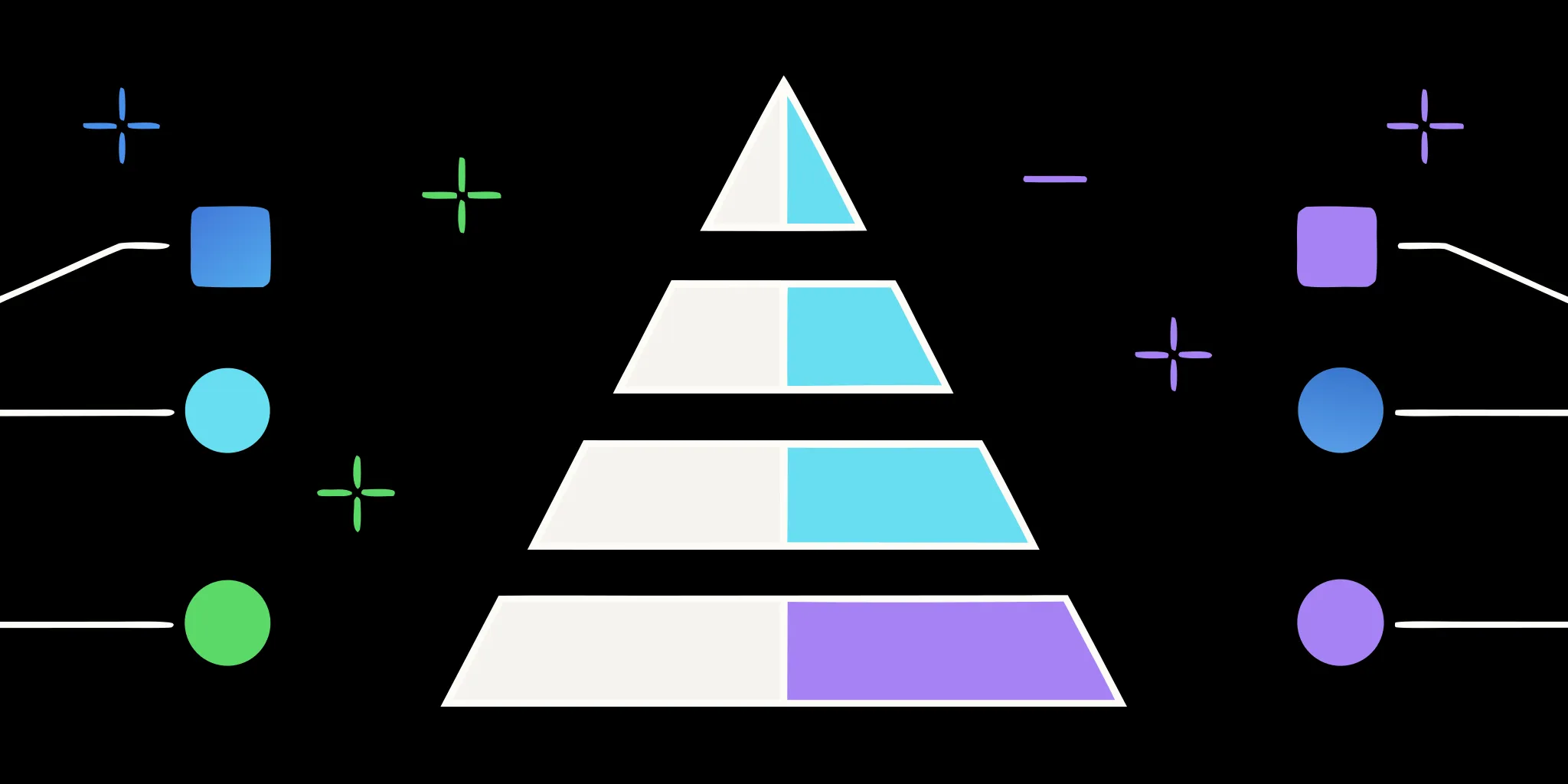
The most effective way to visualize your gift range chart is as a pyramid. This classic fundraising model illustrates a universal truth in giving: a few donors at the top will provide a small number of very large gifts, a larger group in the middle will give mid-level gifts, and the majority of your donors at the base will contribute smaller amounts. This pyramid structure helps you organize your donor outreach. It reminds you that you can’t use the same approach for everyone and that securing those top-tier gifts is critical for building early momentum.
How It Fits Into Your Fundraising Strategy
A gift range chart is more than just a planning document; it’s a strategic guide that shapes your entire campaign. It helps you identify how many major gifts you need to secure a significant portion of your goal quickly, which builds confidence among your team and other donors. The chart informs your prospect research by showing you exactly what kind of donors you need to find. It also helps you nurture relationships with supporters at every level, ensuring you’re making the right ask of the right person at the right time. It keeps your team, board, and key stakeholders aligned and focused on the same targets.
Why Your Campaign Needs a Gift Range Chart
Jumping into a fundraising campaign without a plan is like starting a road trip without a map. You know your destination (your fundraising goal), but you have no idea how you’ll get there. A gift range chart is your campaign’s GPS. It turns a big, intimidating number into a series of smaller, achievable steps, showing you exactly how many gifts you need at different levels to hit your target. This simple document provides structure and clarity, transforming your fundraising from a guessing game into a well-oiled machine.
Instead of just hoping for the best, a gift range chart gives your team a clear, data-informed roadmap. It helps you focus your energy where it matters most, set goals that are ambitious but achievable, and organize your outreach for the greatest impact. It’s the difference between wishing for success and planning for it, ensuring every action your team takes is intentional and moves you closer to your goal. With a chart in hand, you can confidently answer questions from your board, motivate your fundraising team, and show major donors exactly how their contribution fits into the bigger picture.
Apply the 80/20 Rule to Fundraising
You’ve probably heard of the 80/20 rule, which suggests that 80% of your results often come from just 20% of your efforts. In fundraising, this principle is incredibly powerful. A small group of your most dedicated supporters will likely contribute the largest portion of your campaign revenue. A gift range chart helps you visualize this by putting a spotlight on the high-impact gifts at the top of your pyramid. By understanding that approximately 20% of your donors may contribute up to 80% of your total funds, you can stop trying to be everywhere at once. Instead, you can focus your efforts on identifying and cultivating relationships with the prospects most likely to make those transformative lead and major gifts. This ensures your most valuable resource, your team’s time, is spent wisely.
Set Realistic Goals with Your Data
A gift range chart is more than just a list of numbers; it’s a strategic tool that grounds your campaign in reality. It forces you to move beyond wishful thinking and ask, "Based on our donor history and capacity, is this goal actually possible?" The chart breaks down your total goal into specific, manageable gift amounts, showing you exactly how many donors you need at each level to succeed. This process helps you build a fundraising plan based on evidence, not assumptions. By analyzing past giving patterns, you can create a chart that reflects your community’s true giving potential. This not only makes your goal more attainable but also builds confidence within your team and among your key stakeholders, as they can see a clear and logical path to success.
Prioritize Your Donor Outreach
Once your chart is built, it becomes a powerful guide for your outreach strategy. You’ll know you need a certain number of major gifts, mid-level gifts, and smaller donations to succeed. The chart helps you answer the next critical question: "Who are we going to ask?" A common rule of thumb is to identify at least three potential donors for every one gift you need at each level. This 3-to-1 ratio gives you a clear prospect pipeline and prevents your team from scrambling to find donors. It turns your outreach into a systematic process, allowing you to nurture relationships with specific segments of your audience. Whether you're scheduling a call with a major donor prospect or sending a personalized message to a group of mid-level givers, your efforts are targeted and intentional.
How to Build Your Gift Range Chart, Step by Step
Creating a gift range chart is a straightforward process that transforms your fundraising from a guessing game into a strategic plan. Think of it as building a roadmap for your campaign, with clear milestones that guide your team toward your final goal. By breaking down your total goal into specific gift amounts and identifying the number of donors needed for each level, you create a clear and actionable path to success. This isn't about just listing numbers; it's about creating a living document that will keep your team focused, motivated, and aligned from kickoff to celebration. Let's walk through how to build one, step by step.
Step 1: Set Your Fundraising Goal
First things first, you need a clear and realistic fundraising goal. This shouldn't be a number you just wish for; it should be grounded in your organization's data. Look at your past campaign performance, your average gift size, and your donor retention rates. Your goal should feel like a stretch, something that pushes your team, but it must also be achievable. A goal that’s too far out of reach can demotivate your team and board before you even begin. A data-informed goal gives your campaign a solid foundation and builds confidence among your stakeholders from the start.
Step 2: Define Your Gift Levels
Once you have your total goal, it's time to break it down into different giving levels. A typical gift range chart includes a lead gift at the top (usually 10% to 25% of the total goal), followed by major gifts, mid-level gifts, and a broad base of smaller gifts. The idea is to structure the chart so a small number of high-impact donors contribute a significant portion of the funds at the top, with the gift amounts decreasing as you move down the chart. This structure helps you visualize where the bulk of your fundraising efforts should be focused and ensures you have a balanced approach to securing donations of all sizes.
Step 3: Estimate the Donors You Need
This is where your chart starts to become a real planning tool. For each gift level, you need to calculate how many prospective donors you’ll need to ask to secure the required number of gifts. A good rule of thumb is the "Rule of Three": for every one gift you need, you should identify at least three prospects to ask. For your lead gift and other major gifts at the top of the chart, you may want to increase that ratio to four or five prospects for each gift needed. This accounts for the reality that not every ask will result in a "yes" and builds a necessary buffer into your plan.
Step 4: Validate Your Numbers with Donor Data
Your chart is a hypothesis until you validate it with actual donor data. Now, you’ll need to look at your donor base and identify specific individuals who have the capacity and inclination to give at each level. This is where prospect research and wealth screening tools become invaluable. More importantly, this step highlights the need to turn anonymous followers into named supporters you can actually connect with. By analyzing giving history, engagement, and wealth indicators, you can match real people to the slots in your chart, making your plan much more concrete and your outreach more efficient.
Step 5: Design and Format Your Chart
Finally, pull all this information together into a clean, easy-to-read chart. Most gift range charts are formatted as a simple spreadsheet with columns for the gift amount, number of gifts needed, number of prospects needed, and the subtotal for that level. Aim for about 8 to 12 giving levels to keep the chart manageable. This document will become a central tool for your campaign, helping you track progress and keep your team aligned. You can find helpful examples in various online fundraising playbooks to guide your final design.
What a Strong Gift Range Chart Looks Like
A strong gift range chart is more than just a spreadsheet; it’s a strategic roadmap for your entire campaign. It’s balanced, realistic, and tailored to your unique donor community. A well-crafted chart demonstrates that your goal is achievable by breaking it down into concrete, manageable gift levels. It follows a pyramid structure, with a few high-impact gifts at the top and a broad base of smaller donations at the bottom. This structure isn't just for planning; it’s a powerful communication tool that helps align your team, board members, and key volunteers. It shows everyone exactly how you plan to get from point A to your fundraising goal.
The best charts are based on data from your past campaigns and an honest assessment of your donor pipeline. They aren't set in stone but act as a guide that you can adjust as you receive pledges and learn more about your donors' capacity and willingness to give. Think of it as a living document that provides structure while still allowing for flexibility. By visualizing the path to your goal, you can focus your efforts where they’ll have the most impact, from cultivating major donors to engaging your wider community.
Lead and Major Gifts
The top of your gift pyramid is reserved for lead and major gifts. These are the largest contributions that will lay the foundation for your campaign's success. A good rule of thumb is that your single largest gift will likely be between 20% and 25% of your total goal. In many campaigns, the top 10 to 15 gifts alone can account for more than half of the total funds raised. This highlights just how critical this tier is. Your chart should clearly define what constitutes a major gift for your organization and identify how many of these you’ll need. This is where your focus on building deep, personal relationships with high-capacity donors pays off, as these gifts rarely come from a generic email blast.
Mid-Level Gifts
Mid-level gifts are the essential bridge between your major donors and your broad-base supporters. This group often represents the most significant opportunity for growth, as today’s mid-level donor could be tomorrow’s major contributor. This tier is a perfect example of the 80/20 rule in action, where a relatively small percentage of your donors will contribute a large portion of your revenue. Your gift range chart should have several defined tiers in this middle section to give potential donors clear and accessible giving options. Nurturing these relationships is key, as this segment often responds well to more personalized communication that shows their impact without requiring the same one-on-one attention as a major donor.
Broad-Base Gifts
At the bottom of the pyramid are your broad-base gifts. These are the smaller, more numerous donations that come from your wider community. While they may be smaller individually, their collective power is immense, both for your fundraising total and for building community momentum. To secure these gifts, you need a high volume of prospects. A strong chart accounts for this by estimating that you may need to approach three or four prospects for every one gift you receive. This is where scalable outreach strategies, like social direct messaging, become invaluable. You can engage thousands of followers, turning them into first-time donors and building a pipeline for future giving.
Putting Your Gift Range Chart to Work
Creating your gift range chart is a huge step, but its real power comes from how you use it every day. This isn’t a document you create once and file away. Think of it as your campaign playbook, a dynamic tool that guides your strategy, conversations, and team focus from the moment you launch until you cross the finish line. When you put your chart into action, you transform it from a simple spreadsheet into the engine of your fundraising campaign. It helps you make smarter decisions, have more confident conversations, and keep your entire team pulling in the same direction.
Guide Conversations with Major Donors
Your gift range chart is one of the most effective visual aids you can bring into a meeting with a potential major donor. Instead of just talking about numbers, you can show them exactly how their contribution fits into the bigger picture. Presenting the chart helps donors see the different levels of support you’re seeking and where their gift could make a significant impact alongside others. It frames their potential donation not as an isolated transaction, but as a key part of a collective effort. This approach can encourage supporters to consider a larger gift than they might have otherwise, as they can visualize the leadership role they would be taking.
Keep Your Team and Stakeholders Aligned
A clear gift range chart is your best friend for internal alignment. It provides a straightforward plan that your staff, leadership, and board members can all rally behind. You can use the chart to strategically assign team members to solicit gifts at different levels, ensuring your most experienced fundraisers are focused on securing those crucial lead gifts first. This focus is essential for building momentum. When everyone knows the priorities and their specific role in achieving them, your outreach becomes much more efficient. It eliminates confusion and ensures your team is channeling its energy toward the prospects with the greatest potential to move your campaign forward.
Tailor Gift Levels to Your Donor Base
A successful gift range chart is both ambitious and realistic, and that balance starts with your top gift level. As a general rule, your largest gift should represent between 10% and 25% of your total campaign goal. If you set this number too low, you’ll be stuck trying to secure an overwhelming number of smaller gifts. If you set it too high, you might struggle to find a donor with the capacity to give at that level. This guideline forces you to ground your plan in the reality of your donor base. It’s a great reminder to build your strategy around the supporters you have, which is key to being able to turn social followers into named donors.
Update the Chart as Your Campaign Progresses
Your gift range chart should be a living document, not something set in stone. As pledges and donations come in, you need to update it constantly. This gives you a real-time snapshot of your progress and helps you adapt your strategy on the fly. For example, if you ask for a $50,000 gift and the donor commits to $25,000, that’s not a failure; it’s new information. You simply thank them for their generous support and adjust your chart to reflect a filled spot at the $25,000 level. Regularly reviewing and revising your chart allows you to stay flexible and responsive, nurturing relationships with direct messaging and celebrating every gift, no matter the size.
Common Mistakes to Avoid
A gift range chart is a powerful planning tool, but it’s only as good as the strategy behind it. A few common missteps can quickly turn this helpful guide into a source of frustration, derailing your efforts before they gain traction. By being aware of these pitfalls, you can ensure your chart works for you, not against you. The most frequent errors often stem from a disconnect between the chart and reality. This can happen when fundraising goals are based on wishful thinking instead of data, or when the chart is built in a vacuum, completely ignoring the rich history your existing donors provide.
Another major hurdle is flawed execution. Many teams fail to prioritize their outreach effectively, either by chasing small gifts first or by waiting too long to have critical conversations with potential major donors. This can stall a campaign’s momentum right out of the gate. Finally, some nonprofits treat their gift range chart as a static, one-and-done document. They create it, file it away, and forget it. But a chart’s true value lies in its ability to be a dynamic guide. Let's look at how to sidestep these issues to keep your fundraising on solid ground and ensure your campaign has a clear path to success.
Setting Unrealistic Expectations
A chart rooted in fantasy won’t get you far. A common mistake is setting a top gift amount that’s out of sync with your total goal. Your single largest gift should be about 10% to 25% of your campaign total. Any lower, and you’ll need an overwhelming number of small donations to succeed. Any higher, and you might be chasing a gift that doesn’t exist within your network. Grounding your chart in reality from the start builds a plan you can actually execute, setting your team up for wins instead of frustration.
Ignoring Your Existing Donor Data
Your gift range chart should reflect your unique community of supporters. Building one without looking at your donor data is like planning a road trip without a map. Analyzing past giving history helps you identify prospects for each tier, ensuring you’re making the right ask to the right person. This data-driven approach is key, helping you even turn social followers into named donors to get a complete picture of your support base. Using this information makes your fundraising more efficient because you’re focusing your energy on people who are most likely to give.
Waiting Too Long to Engage Major Donors
Don’t work your way up the gift pyramid; start at the top. Securing your lead and major gifts first is critical for building momentum. Landing those top-tier donations early on creates powerful social proof, showing other supporters that your campaign has strong backing from key community members. This inspires confidence in mid-level and smaller donors, making them more likely to contribute. This strategy is a common thread in many successful nonprofit campaigns, and it can make all the difference between a campaign that stalls and one that soars.
Forgetting to Revise Your Chart
Treat your gift range chart as a living document, not a static one. A frequent error is creating the chart and never looking at it again. It’s a tool for tracking progress and adapting your strategy as you go. When a donor gives a different amount than anticipated, or a new major prospect emerges, simply adjust the chart. Regularly updating it helps you see where you stand and what gaps remain. This flexibility allows you to make smarter, more informed decisions as the campaign unfolds, keeping you on track to meet your goal.
Tools to Help You Build and Manage Your Chart
Creating a gift range chart might seem like a task involving complex spreadsheets and a lot of guesswork. The good news is, you don’t have to build it from scratch. A number of digital tools can simplify the process, from initial calculations to ongoing campaign management. Using these resources helps you create a more accurate, data-driven chart and transforms it from a static document into a dynamic roadmap for your fundraising campaign. Let's look at a few categories of tools that can make a world of difference.
Gift Range Calculators and Templates
Instead of staring at a blank page, you can kickstart your planning with a gift range calculator. Many fundraising experts offer free guides and templates to get you started. These tools are designed to do the heavy lifting on the math. You simply input your total fundraising goal, and the calculator helps you budget your campaign by figuring out how many gifts you’ll need at different amounts and how many prospects you should approach. This gives you a solid, structured foundation for your chart and your campaign strategy, saving you valuable time and preventing calculation headaches.
Donor Segmentation and Wealth Screening Tools
Once your chart is drafted, the next question is: who will you ask for each gift? This is where donor segmentation and wealth screening tools come in. These platforms analyze your donor database, looking at giving history and wealth indicators to help you identify the right people for each giving level. This makes your fundraising much more efficient because you're focusing your efforts on prospects who are most likely to give. It’s not just about wealth; it’s also about engagement. Finding new supporters on social media can give you a fresh pool of prospects to nurture and eventually turn into named donors.
Progress Trackers and Scenario Planners
A gift range chart is a living document, not a one-and-done plan. As donations start coming in, you need a simple way to track your progress. Many CRM and fundraising platforms have built-in trackers that let you check off gifts as they are secured. This provides a clear, real-time picture of how your campaign is performing and highlights which gift levels still need attention. Some tools also offer scenario planning, which is incredibly useful. If a major gift falls through, you can use a scenario planner to model different ways to make up the difference, helping you stay agile and on track to meet your goal.
How Social Fundraising Amplifies Your Gift Range Strategy
A gift range chart is a powerful planning tool, but it’s only as good as the donor pipeline you use to fill it. This is where your social media presence becomes a game-changer. For too long, social media has been a channel for one-way communication, where your followers remain mostly anonymous. You see the likes and shares, but you don't know who these people are or what motivates them to support you. Social fundraising changes that. It transforms your social channels from a simple broadcast platform into a primary source for finding and nurturing donors at every level of your gift pyramid. By engaging supporters directly where they already spend their time, you can turn anonymous followers into a community of givers and strategically fill out your chart from top to bottom. This approach bridges the gap between your online audience and your fundraising goals, making your gift range chart a dynamic roadmap powered by real, engaged people who are ready to make a difference. It's about meeting supporters where they are and building authentic connections that translate into sustainable funding for your mission, especially as traditional channels become less effective.
Turn Social Followers into Named Donors
Your social media following is a massive pool of potential supporters, but they often remain anonymous. The first step is to turn those followers into named contacts in your database. A gift range chart helps you plan your fundraising by breaking down a goal into different gift amounts, and social media is the perfect place to find people for each level. You can start a conversation through direct messaging to move supporters from a simple "follow" to a meaningful connection. Once you have a name and a way to communicate one-on-one, you can begin to understand their interests and capacity, finding the right spot for them on your gift range chart.
Nurture Donors at Every Level with Direct Messaging
Once you’ve identified potential donors, the real work of relationship-building begins. Social fundraising allows you to nurture these connections at scale without losing the personal touch. Using automated, conversational direct messaging, you can keep supporters engaged no matter where they fall on your gift pyramid. Share personalized impact stories, send timely thank you messages, and provide updates on your campaign’s progress directly in their inbox. This consistent, one-to-one communication builds trust and keeps your cause top of mind, making it easier to ask for a gift when the time is right. This approach helps you build relationships with donors at every level, from broad-base supporters to major gift prospects.
Reduce Donor Acquisition Costs
Finding new donors can be expensive, but your social media audience is a warm lead pool waiting to be engaged. Since about 20% of your donors often contribute 80% of your funds, identifying and focusing on your most dedicated supporters is key. Social fundraising helps you do just that by connecting with people who have already shown an interest in your cause. Engaging them through low-cost, high-impact activities like Facebook Challenges can significantly reduce your donor acquisition costs. Instead of spending your budget on cold outreach, you can invest in cultivating the community you already have, leading to more sustainable growth and a greater return on your fundraising efforts.
Related Articles
Frequently Asked Questions
What if my organization is new and doesn't have much past donor data to work with? That’s a common situation, and it just means your starting point is a bit different. Instead of looking inward at your own data, you can look outward. Research what similar nonprofits in your space have accomplished in their campaigns to get a baseline. More importantly, view this as an opportunity to build your donor file from the ground up. Your social media following is a great place to start identifying your first potential supporters and begin the conversations that will eventually inform your fundraising strategy.
My lead gift prospect said no. Is my campaign doomed? Absolutely not. In fact, this is exactly why you build a plan in the first place. A strong gift range chart requires you to identify three to four prospects for every single gift you need, especially at the top. A "no" is not a failure; it's just part of the process. Thank the person for their time, learn what you can from the conversation, and move on to the next prospect on your list. Your chart is a flexible guide, not a rigid script, and it's designed to withstand a few rejections on the path to success.
How 'public' should this chart be? Do I show it to every potential donor? Think of your gift range chart as an internal strategy document, not a public-facing marketing piece. It’s most powerful when used selectively. It can be an incredibly effective visual aid in a private meeting with a major donor prospect, as it helps them see how their potential gift fits into the larger campaign. However, you wouldn't typically share the entire chart with your broad-base donors or post it on your website. Its main purpose is to align your team and guide your one-to-one fundraising conversations.
Can I use a gift range chart for smaller campaigns, or is it just for huge capital projects? You can and should use a gift range chart for almost any fundraising initiative, no matter the size. The principles of breaking down a goal and identifying prospects apply just as well to a $50,000 end-of-year appeal as they do to a multi-million dollar capital campaign. For a smaller campaign, the chart helps you move beyond a single email blast and create a tiered strategy, ensuring you have a plan to secure a few larger gifts while also engaging your wider community for smaller donations.
You mention the 'Rule of Three' for prospects. Does that apply to the smaller gifts at the bottom of the pyramid too? That's a great question. While the 3-to-1 ratio is critical for your lead and major gifts, it becomes less practical for the hundreds of smaller gifts at the base of your pyramid. You simply don't have time to personally identify three prospects for every $50 donation. For your broad-base gifts, the strategy shifts from individual cultivation to scalable outreach. This is where you leverage tools like social direct messaging to engage thousands of supporters at once, turning a large audience into a high volume of donors.