








A fall appeal gives your nonprofit a focused moment to turn existing supporter attention into action before year-end noise takes over. The strongest campaigns do more than publish an ask. They connect a timely story, a carefully chosen audience, and a donation journey that feels natural on social media.
See how GoodUnited can help you build a social-first fall appeal.
This guide covers the decisions, timeline, message flow, and stewardship plan your team can use to build a fall appeal that starts on social media and continues through one-to-one engagement.
What is a fall appeal for nonprofits?
A fall appeal is a focused fundraising campaign that asks supporters to advance a nonprofit's mission during the autumn months. It typically runs before a year-end campaign and can fund a defined program, urgent need, seasonal service, or flexible operating priority.
For a practical definition, think of a fall appeal as a bridge. It carries a supporter from awareness to a timely gift, then from a gift to a stronger relationship. The campaign should have one clear ask, one clear reason to act now, and a follow-up path for people who engage but do not give.
Development for Conservation's fall appeal planning guidance recommends segmenting the audience before writing the appeal. It also emphasizes starting early enough to build a sequence instead of relying on one letter or post.
Why should your nonprofit run a fall appeal before year-end?
A fall appeal creates room for learning before your year-end campaign. Your team can test the story, ask, audience segments, and donation experience while there is still time to adjust. It also gives supporters a meaningful reason to engage before every nonprofit competes for attention in November and December.
Use the fall window to make one specific case
Choose a case for support that is easy to understand. Avoid combining a building project, a general fund request, and three program updates in one message. A focused case makes it easier for a supporter to decide whether the campaign fits their values.
Examples include funding meals through the colder months, keeping an after-school program open, replacing essential equipment, or expanding access to a service. The right case depends on your mission and budget. The principle stays the same: show what a gift makes possible without promising a fixed outcome you cannot verify.
Separate the fall job from the year-end job
Your fall appeal should not be a preview of your year-end appeal. It can establish the story and invite an initial gift. Your year-end giving strategy can then build on what you learn, rather than starting from a blank page.
That distinction protects your audience from repeated asks. It also gives your development team a useful handoff. Record which messages earned replies, which segments clicked, and which supporters completed a gift. Use those signals to improve the next campaign.
How do you set a social-first fall appeal strategy?
A social-first fall appeal starts with the people already connected to your organization. Social posts create public context. Direct messages create a more personal next step. Email, direct mail, and your website can support the campaign, but they should not force every supporter through the same route.
| Decision | Recommended choice | Why it matters |
|---|---|---|
| Primary audience | Existing social followers and recent engagers | You begin with attention your nonprofit has already earned. |
| Campaign case | One timely need with a visible human outcome | A focused case is easier to remember and share. |
| Primary action | Give through a mobile-friendly web form | The supporter can act without searching for the next step. |
| Conversation layer | Personalized social direct messages | Engagers receive a relevant invitation instead of a generic blast. |
| Stewardship goal | Thank, confirm impact, and invite the next relationship step | The campaign becomes a starting point, not a one-time transaction. |
GoFundMe Pro's appeal guidance makes a similar case for pairing a human story with a simple, personal giving experience. That is especially important when social attention is brief and the supporter is using a phone.
Choose a single campaign promise
Write a one-sentence promise before you draft the creative. For example: "This fall, your gift helps local students keep a safe place to learn after school." A promise like this gives your post, direct message, donation form, and thank-you copy a common center.
Then list what the promise does not cover. This guardrail keeps the team from adding unrelated program details. It also helps your designer choose one visual story instead of filling each asset with information.
Build the ask around action, not platform features
Social media is the distribution channel. It is not the reason to give. Lead with the need, the person or community affected, and the action a supporter can take. Explain how GoodUnited's direct messaging and Audiences features support the journey without making the technology the story.

Which donor segments should receive a fall appeal?
Segmenting a fall appeal means changing the message or next step based on what the supporter already did. You do not need a dozen segments. Four useful groups can create a more respectful and relevant campaign.
Recent donors
Thank recent donors for the relationship they have already started. Show the next need without implying that their earlier gift was not enough. A follow-up message can invite them to extend their impact or share the appeal with someone who cares about the same issue.
Lapsed or previously engaged donors
Use a re-engagement message that acknowledges the connection without guilt. Reference a mission area they previously supported when your data allows it. Give them a clear reason to return, and make it easy to decline without receiving a more urgent message every few days.
Peer-to-peer fundraisers and event participants
These supporters have already shown willingness to advocate. Offer a choice between making a personal gift and helping distribute the campaign. Their message can focus on participation and community, while a donor message can focus on the impact of the gift.
Social engagers who have not donated
A comment, reaction, video view, or message is not the same as donation intent. Treat it as a signal for a useful next conversation, not proof that someone is ready for a hard ask. Invite the person to learn about the fall need, then use their response to guide the next step.
Keep an exclusion list as carefully as an inclusion list. Suppress recent donors from an acquisition-style ask, remove people who opted out, and pause messages after a completed gift unless the next message is stewardship.
What should a six-week fall appeal timeline include?
A six-week timeline gives your team enough space to prepare, launch, learn, and steward. The dates can shift around your calendar. The sequence matters more than the exact weekday.
| Timing | Team focus | Deliverables and decisions |
|---|---|---|
| Week 1 | Set the case | Choose the need, goal, audience, story, donation form, owner, and success signals. |
| Week 2 | Prepare the journey | Draft social posts, direct-message branches, web-form copy, thank-you copy, and suppression rules. |
| Week 3 | Invite early attention | Publish a mission story, ask a question, and identify people who respond or request more information. |
| Week 4 | Launch the appeal | Publish the core ask, deliver relevant direct messages, and monitor form completion and replies. |
| Week 5 | Follow up with care | Send a new proof point to non-responders, answer questions, and stop messages for donors. |
| Week 6 | Steward and learn | Thank donors, share an early impact update, document results, and pass insights into year-end planning. |
Build review time into every week. A fundraising lead should approve the case for support. A program lead should confirm the impact language. A data owner should check audience rules. A conversion owner should test every web-form path on a phone.
How can direct messaging reduce donation friction?
Direct messaging can reduce friction by meeting supporters in the channel where they responded. Instead of asking a person to remember the nonprofit, find the website, locate the campaign, and choose an action, the message can provide context and a direct web-form path.
The experience still needs consent, restraint, and a human tone. A direct message should explain why the supporter is receiving it, offer a clear next step, and make it easy to stop. It should never imply that a reaction guarantees a donation.
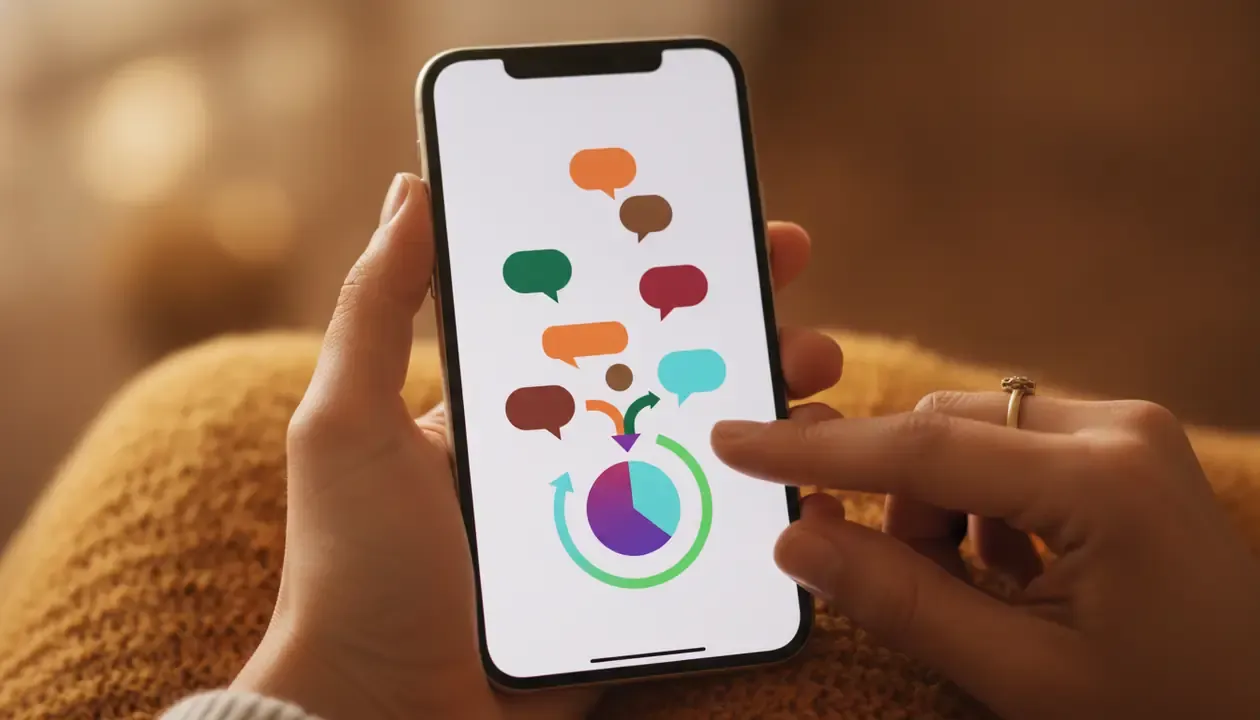
Use a simple message sequence
- Context: Mention the fall need and the supporter action that started the conversation.
- Choice: Ask whether the person would like to see the campaign or learn more.
- Action: Share one web-form link when the supporter signals interest.
- Confirmation: Thank the supporter and explain what happens next.
- Stewardship: Share a relevant update instead of immediately making another ask.
Your social direct messaging fundraising guide can provide the broader platform context. In this campaign, keep the implementation narrower. Use direct messaging to answer the fall appeal's specific conversion and stewardship needs.
See how GoodUnited can connect social engagement with one-to-one fundraising journeys.
Which campaign decisions should your team make before launch?
Strong fall appeals are decided before the first public ask. Use this decision table in your campaign meeting. Each row should have one owner and one written answer.
| Campaign question | Example decision | Owner |
|---|---|---|
| What is the one need? | Keep the neighborhood tutoring program open through the fall term. | Program lead |
| Who is most ready to hear it? | Recent social engagers, past participants, and donors who supported youth programs. | Development lead |
| What will the first post do? | Introduce one student success story and invite people to learn more. | Content lead |
| What will the direct message do? | Offer the campaign page to people who ask for details or opt into updates. | Engagement lead |
| What happens after a gift? | Send a thank-you, suppress the immediate ask, and share an early program update. | Stewardship lead |
| What signal changes the plan? | High replies with low form completion trigger a form or message review. | Analytics lead |
Document the decisions in one brief. Include the approved story, the audience rules, the form URL, the direct-message logic, the review dates, and the escalation path for questions. A brief makes it easier to keep social, development, programs, and leadership aligned.
For creative starting points, use GoodUnited's guide to nonprofit social media campaign examples. Borrow the structure of a strong campaign, not another organization's story or claim.
How should you steward donors after the fall appeal?
Stewardship starts as soon as the supporter gives. Confirm the gift, thank the person for the specific action, and explain what they can expect next. The first follow-up should reduce uncertainty. It should not immediately ask for a second gift.
Use the next message to deepen trust
Share a relevant program update when you have one. If the campaign funds a service, show the work in progress. If the campaign supports a seasonal need, explain how the team is responding. Keep the update accurate and avoid turning a single gift into a promise of unlimited access or guaranteed results.
Carry useful signals into year-end planning
Review results by segment and message path. Note which audiences replied, which people requested more information, which messages led to form visits, and where the journey stalled. Pair these signals with qualitative replies. A short supporter question can explain more than a high-level conversion rate.
GoodUnited can help nonprofits turn social audiences into named, engaged supporters through direct messaging, automated flows, donation pages, audience segmentation, and analytics. The platform is also a Meta Business Partner. Those capabilities are most valuable when they support a clear fundraising strategy rather than replace one.
How do you measure a fall appeal without losing the relationship?
Measure the campaign at three levels: attention, action, and relationship. Attention tells you whether the story reached the intended audience. Action tells you whether people took the next step. Relationship tells you whether the campaign created a better starting point for future fundraising.
- Attention: reach, video views, reactions, comments, replies, and direct-message starts by audience segment.
- Action: web-form visits, completed gifts, completion rate, and response time by message path.
- Relationship: thank-you delivery, opt-outs, follow-up engagement, new donor identification, and supporter questions answered.
- Learning: the story, ask, segment, or journey step that should change before year-end.
Do not optimize for the largest number in isolation. A post can earn attention without creating a useful next step. A direct message can generate replies without a clear donation experience. Review the complete path from social signal to gift to stewardship.
GoodUnited's Facebook fundraising tools guide can help your team compare the roles of social fundraising tools. For a fall appeal, choose only the tools that make the selected journey more relevant or easier to complete.
Build a fall appeal journey that turns social attention into measurable fundraising relationships.
Frequently Asked Questions
How early should a nonprofit plan a fall appeal?
Start at least six weeks before the intended launch when possible. Use the first weeks to choose the case for support, segment the audience, prepare the web form, write the direct-message flow, and approve the creative. Starting early also leaves time to test the donor experience before the public ask.
What should the campaign fund?
Choose one specific and timely need that your nonprofit can explain with verified program details. The need might support a seasonal service, a defined program, or flexible operations. Avoid combining several unrelated priorities. A focused case helps supporters understand what their action makes possible.
Can social media carry the appeal?
Social media can lead the appeal, but the full journey should include a clear web form, direct follow-up, and stewardship. Public posts create awareness. Direct messages can guide interested supporters to the next step. Email, direct mail, and other channels can reinforce the message for audiences that prefer them.
How can your nonprofit turn a fall appeal into a stronger donor pipeline?
A fall appeal is more valuable when it creates a repeatable relationship path. Give the campaign one clear case, segment with care, connect social engagement to a low-friction web form, and follow every gift with useful stewardship. Then carry the learning into your year-end plan.
Schedule a GoodUnited demo to plan your nonprofit's social-first fundraising journey.