






Facebook Challenge fundraising is a strong peer-to-peer way to reach fans through activity-based events. These campaigns involve people who commit to a set task, like walking miles in a month, to raise money from their friends. This model works because it uses social links to reach new donors. By using automated messages, nonprofits can grow these events without adding work for staff. GoodUnited is a Meta Business Partner that has helped groups raise over $2 billion from more than 84 million donors through social sites. Data from our 2025 Challenge performance report shows that cost per lead has dropped by 20 percent, making it a top way to get new donors fast and reliably.
What Is a Facebook Challenge Fundraiser?
A Facebook Challenge is a type of social media event where people raise money for a cause. In these events, fans commit to a goal, such as walking 100 miles in one month. They share their progress on their own pages to get gifts from friends and family. This model helps nonprofits find new donors through the networks of their current fans. It turns a simple task into a way to help others.
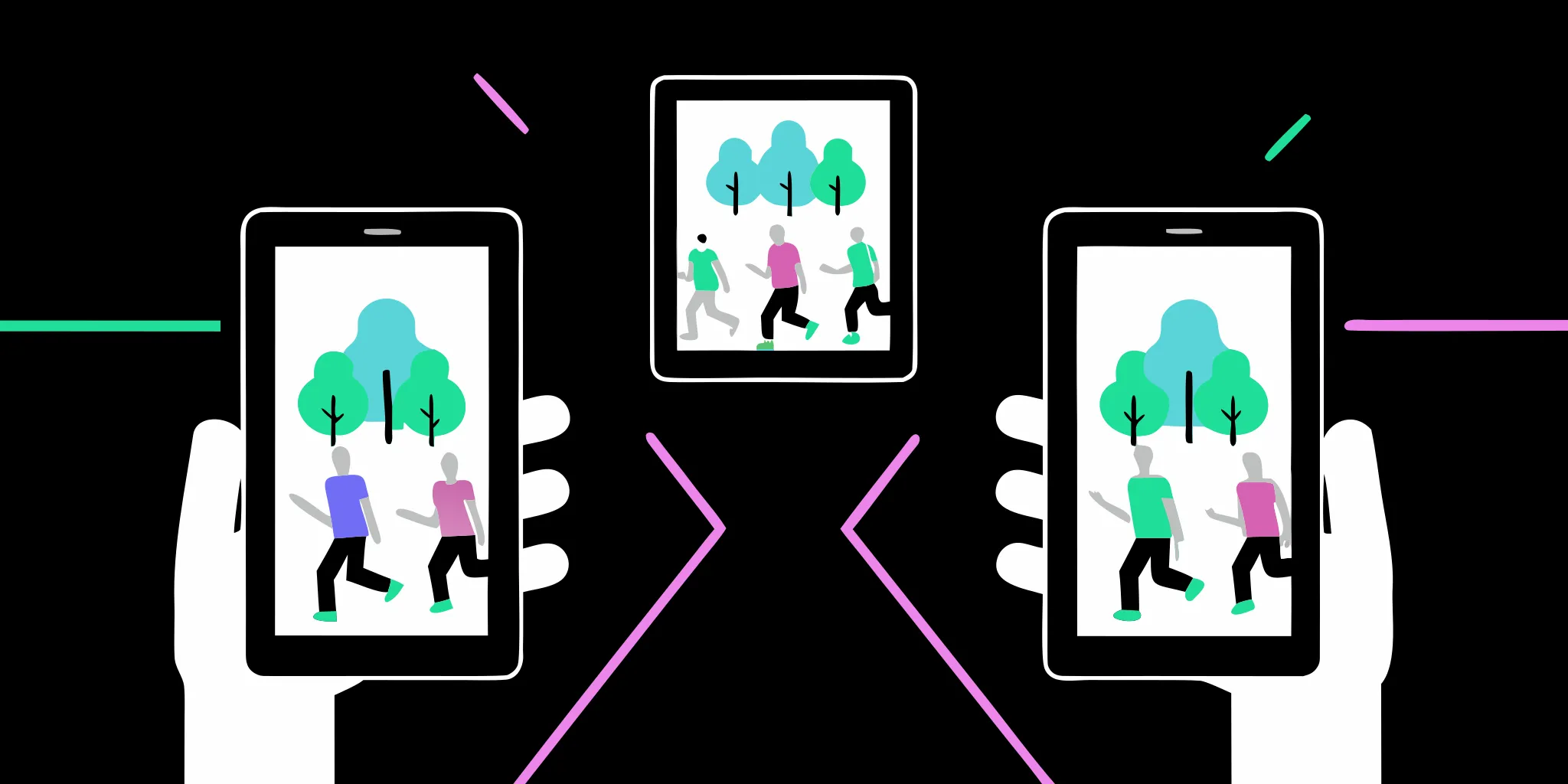
These events live inside the Facebook space. They use tools like Groups and Fundraisers to bring people together. A nonprofit starts the event by asking its fans to join. Once they sign up, fans get their own giving pages. They can then post news and ask for help. This friend-to-friend giving makes it easy for anyone to be a hero for a cause.
The rise of social giving
Modern social giving started to grow fast about ten years ago. The famous Ice Bucket Challenge in 2014 was a huge turning point for the field. It showed how much power a simple social task could have when it goes viral. Because of that success, Facebook built its first tools to help people raise money for nonprofits in 2015. Since then, the site has become a major hub for global help.
The result of these tools is clear in the data. By 2021, users on the site had raised more than $5 billion for good causes. More than 45 million people have either given money or started a fundraiser on the site. These large numbers show that social media is now a key part of how people support the causes they care about. It has changed the way we think about giving in the online space.
How a Facebook Challenge works
Most challenges last for about 30 days. During this time, the nonprofit sets a clear task for its fans to do. This task is often a physical goal like daily push-ups or a set number of steps. People join a Facebook Group to talk with other fans and share their wins. This sense of a group keeps them excited and helps them reach their goals. They feel like they are part of a team working for a win.
As fans do the task, they ask their friends to give. This creates a cycle of giving that spreads far and wide. For more tips on how to run these events, see our deep step-by-step guide on social giving. This guide can help you plan your next big event from start to finish. It covers every small part you need to know to reach your goals.
Challenges versus birthday fundraisers
It is helpful to know how a challenge is unlike a birthday fundraiser. A birthday event is usually a one-time ask. It happens once a year and lasts only a few days. In contrast, a challenge is an active month of work. It builds deep links between the fan and the cause over many weeks. While both tools are useful, challenges are often better for finding new long-term supporters. They offer more chances for the nonprofit to talk to the fan.
How to Plan a Successful Facebook Challenge
Planning is the key part of a Facebook Challenge. A good plan helps your nonprofit raise more money and find new donors. Data shows that the average Facebook Challenge raises over $350,000.
Also, 64% of these events raise more than $100,000. Top challenges can even raise over $1 million. To reach these goals, you must start with a clear map of your event.
Most 501(c)(3) nonprofits find that a strong start leads to better results. You need to pick a goal that fits your team. If you want to raise $100,000, you will need many people to join.
You should also think about how you will help those people. Planning helps you turn social fans into real donors who care about your cause.
Setting Clear Goals
First, you must set goals for your event. Think about how much money you want to raise. Also, think about how many people you want to sign up.
Most groups aim for high goals because Facebook has so many users. But you must be ready to help every person who joins your group. This helps you build trust with your new fans.
You can also use Birthday Fundraiser automation to keep donors active all year. While a challenge is a big event, these tools help you raise money every day. Setting goals for both large events and daily giving is a smart move. It makes your fundraising more stable and helps you grow over time.
Choosing the Right Task and Time
Next, pick a task that people like. Walking and fitness tasks are very popular. You want a task that is easy for most people to do. This makes it more likely that they will sign up and stay active.
Most challenges last for 14 to 30 days. This gives people enough time to raise money without getting tired. A short time frame helps keep the energy high. People feel like they need to act fast.
This helps them raise more money in a short time. If a challenge is too long, people might lose interest. A 30-day window is often the best choice for many groups. It gives you enough time to tell your story and show your impact.
- Set your targets. Pick a total money goal and a goal for how many people will join. Use past data to make sure your goals are possible for your team.
- Choose your task. Find a simple task like walking or a daily exercise. Make sure it fits your cause and is fun for your fans.
- Pick your dates. Most events last one month. Choose a month when your fans are active and you have time to help them.
- Create a Facebook Group. This is the place where your fans will talk and share progress. A busy group helps people feel like they belong to a team.
- Build your templates. Give your fans words and images to use. This makes it easy for them to ask their friends for money.
- Set up automation. Use tools to send messages to your fans. This saves your team time and helps you help more people at once.
- Recruit your fans. Use ads and social posts to find people who want to join. Start early to get the best results for your event.
Building Your Facebook Group
A Facebook Group is the heart of your challenge. It is where people share their wins and ask for help. You should post every day to keep the group active.
Use short videos or photos to show the work your nonprofit does. This helps people see where their money is going.
Automation can help you run your group without a large team. You can set up messages that go out when someone joins. This makes them feel welcome right away.
When people feel seen, they are more likely to raise money. A strong group is the key to a good event that raises a lot of money.
Automating Your Challenge for Maximum Efficiency
Managing a Facebook Challenge fundraising event manually often leads to missed chances. You need to talk to thousands of people at once. Automation changes how you lead your group. It turns a manual task into a smooth system. You can focus on big goals while tools handle the daily work. This method helps you grow without adding more staff.
Automated Messaging Boosts Reach
GoodUnited uses direct messaging to reach people where they spend time. Most people check their messages more often than their email. In fact, direct messaging gets 80-90% open rates. This is much higher than the 20-25% rates seen in email. When you send a message, people see it fast. You also get 40-50% click rates, while email stays low at 2-4%. These high numbers mean more people join your cause.
You can set up sequences that start the moment someone joins. These flows guide new people through the first steps. They get a welcome message and a link to start their page. You can also send daily check-ins. These keep the group excited. Each message can remind them to share their page or ask for a gift. This constant touch builds a strong bond with your brand.
Driving Results with Smart Data
Data shows that automation works. In 2025, campaigns using these tools saw activation rates rise by 9%. This means more people who sign up actually raise money. You can also lower your costs. Average cost per lead (CPL) dropped by about 20% in the last year. Some groups even saw CPL fall below $5 for their events. These results make your budget go further.
You can also use data to find past donors. GoodUnited's Audience Matching tool helps you find people who gave before. You can show them ads or send them messages to join a new event. This helps you keep your best fans. Return on ad spend (ROAS) rose 42% in 2025 across many campaigns. Using these tools helps you meet federal guidelines for nonprofit compliance and donor care.
Nurture Flows Support Donors
Nurture flows are messages that react to what a person does. If someone has not raised money yet, you can send them tips. If they hit a goal, you can send a thank-you note right away. This feels personal to the donor. It helps them feel like a part of the team. Automated flows ensure no one is left out. Every donor gets the help they need to hit their goals.
7 Proven Facebook Challenge Ideas for Nonprofits
Picking the right task is the first step toward a good event. A great Facebook Challenge gives your donors a clear goal and a reason to share their wins. When people post about their journey, they invite their friends to give. This helps you find new donors. Using a social chat tool helps you care for these donors at scale. It turns them into lifelong ties for your mission. Most groups find success by choosing one of these proven formats:
- Walking and step challenges
- Fitness tasks like push-ups or yoga
- Reading or learning challenges
- Giving day sprints
- Creative tasks like art or photos
- Themed months for reach
- Team-based contests
When you start also plays a big role in your wins. Data shows that October is the peak month for these events. It counts for 18.18% of all events. But if you want the most sign-ups, February is the top choice. On mean, February events see 1,119 sign-ups and a high 61% active rate. To see how these trends are shifting, you can read why 2025 is the best time to run a challenge.
Walking and Step Challenges
Walking tasks are a common choice for a reason. They are open to almost everyone, no matter their health level. In 2025, walking tasks brought in 40.30% of all funds raised through Facebook giving. This type of event works well because it is easy to track and share. Most people now have a phone or watch that counts their steps. This means they can start right away.
Groups set on health, heart care, or aging find great wins with step tasks. These events help people stay active while they raise money for a good cause. Keeping your donors tied to you after they join is key to long-term growth. A study in the National Library of Medicine shows how you talk to donors shifts how often they come back to help again.
Fitness and Talent Tasks
Fitness tasks like push-ups, squats, or daily yoga are great for building strength. These events often last for 30 days and ask people to hit a daily goal. They work best for groups that have a young or active group. This fits well for sports clubs or veteran aid groups. Since these tasks are visual, they create a lot of great posts that catch the eye of new donors.
Reading or art tasks are also very helpful for niche groups. A library or school might run a "Read 500 Pages" task to help people read. Artists or animal homes can host 30-day art or photo tasks. These ideas work because they tap into what your donors now love to do. For a full look at how to set these up, see our Facebook Fundraising Challenges guide.
Themed and Team Contests
Themed months and team contests add a layer of fun and urgency. You can tie your event to a holiday or a month of reach. This might be "No-Shave November" or "Earth Month." This helps you use current buzz to boost your reach. These events often work best for mission groups that want to spread a word while they raise funds.
Team contests take this a step more by using peer ties. You can have different offices or local groups vie to see who can raise the most. This works well for large groups with many local arms. No matter which idea you pick, the key is to make it easy for your donors to join. They should be able to share their wins with their friends at any time.
Measuring Success: Key Metrics and Optimization
To run a great Facebook Challenge fundraising event, you must track the right data. Most groups look at total funds raised, but that only tells half the story. To grow, you need to know how each dollar spent turns into a lead or a gift. GoodUnited helps 501(c)(3) nonprofits use clear data to win.
Track the right numbers
There are three main numbers to watch: return on ad spend (ROAS), cost per lead (CPL), and activation rate. ROAS shows how much you raise for every dollar you spend on ads. A strong campaign often hits a 9.4x ROAS. This means for every dollar spent, the group earns nine dollars back. CPL measures the cost to get one person to join your challenge. In 2025, many groups saw their CPL drop by 20% as they got better at finding new leads.
- ROAS: This shows the profit of your ad spend.
- CPL: This helps you find the right ad cost. About 31% of challenges now see a CPL under $5.
- Activation rate: The share of people who start a page. This rose by 9% recently.
You should also track the rate of activation. This is the share of people who join your group and then start a page to raise money. In 2025, this rate rose by 9%. This jump shows that more people are ready to act when they get the right help. When people feel a strong bond with your cause, they are more likely to start their first page. One group saw their CPL drop from $6.72 to $2.55, which is a big win for their budget.
Learn from recent trends
Our 2025 Challenge performance data shows that Facebook is still a top place to give. Average ROAS went up by 42% last year. This growth happens because groups use better tools to reach donors. With GoodUnited platform analytics, you can track these trends as they happen. You can see which ads work best and which ones need to change.
Groups that use data to guide their plans see better results over time. Instead of guessing, you can see exactly where your donors come from. This helps you spend your budget where it will have the most impact. High open rates in direct messages also help to keep people involved. This leads to more gifts and more loyal supporters for your mission.
Improve your results
Timing and targeting are the best ways to get better results. October is often a top month for challenges, as it holds about 18% of all campaigns. But February sees the most people sign up and start their pages. The average page activation rate in February is about 61%. This makes it a great time to launch a new event and find new donors.
We suggest you test different ad messages to see what hits home. This is often called A/B testing. You should try to focus on the cause first to see if that works. Then, try an ad that focuses on the challenge activity itself. Last, try an ad that shows a free gift. By testing these three paths, you can find the best way to reach your own audience.
Testing your work against others in the field helps you set real goals. Most groups aim for a 9.4x ROAS to match industry benchmarks from GivePanel. If your numbers are lower, it may be time to look at your ad spend. You might also want to change how you talk to leads after they join your group. Auto-run messages can help keep people active and on track to hit their goals.
Common Facebook Challenge Mistakes and How to Avoid Them
Many groups start a Facebook Challenge but fail to hit their goals. Often, the cause is a few small errors in the plan. Avoiding these traps helps you raise more money with less stress. Research from the University of Pennsylvania shows that social media reach is a key part of online giving success. If you want to scale, you must move past these common slips.
Avoiding the Sharing Trap
One big mistake is not sharing your challenge enough. Some groups use a weak ad plan that fails to reach the right people. They may spend too little or stop ads too early. This keeps the donor pool small and limits your reach. To fix this, you need a smart way to find and talk to your fans on social media. Based on our 2025 Challenge results data, ROAS has grown by 42% for groups that use better ad plans. A strong ads plan brings in more folks for less cost.
Fixing the Startup Gap
When folks join your challenge, they need a clear start. Many groups have a gap in how they welcome new donors. If you do not send a welcome note right away, people may lose their drive. They might join the group but never start a fundraiser page. You must give them clear steps to take from day one. Good startup steps make it easy for folks to get to work. Nonprofits that use auto-tools saw fundraiser activation rates rise by 9% last year. These tools help turn a joiner into an active fundraiser without more staff work.
Scaling Through Auto-Tools
Doing all of it by hand is a recipe for burnout. Many groups try to send every message one by one. This does not scale when you have hundreds of donors. If you miss a note, a donor might feel left out. Lack of auto-tools is a top cause of slow growth. By using systems to send DMs, you can talk to every person at the right time. This frees up your team to focus on big donors and long-term plans. You can also read our step-by-step guide to see how to set up these flows for your next event.
| Feature | Manual Management | Automated Management |
|---|---|---|
| Welcome messages | Done by hand or missed | Instant auto-DMs |
| Donor care | Hard to scale for groups | Scheduled auto-flows |
| Data capture | Manual entry and logs | Direct sync and match |
| Growth tracking | Slow spreadsheets | Real-time dashboard |
Poor timing also hurts results. Do not launch a big event during a busy political cycle or a holiday lull. This makes it hard to get seen in a noisy news feed. Lastly, many groups forget to follow up. When the challenge ends, you still have new donors to help. Use your DM flows to thank them and share your impact. This turns a one-time donor into a long-term friend of your cause.
Frequently Asked Questions
Are Facebook fundraisers legitimate for nonprofits?
Yes, fundraisers for registered nonprofits are fully safe and legitimate. Meta has strict rules to check every group through a charity application process. All funds go directly to the group using a secure system. Meta also covers all fees for these gifts, so every cent goes to the cause. This makes it a trust-based and low-cost way for groups to get help from their online fans.
How much money can a nonprofit raise with a Facebook Challenge?
These events can scale to reach very large goals. Industry data shows that the average challenge raises over $350,000, with many passing the $100,000 mark. Top events have even raised more than $2.8 million each. According to GoodUnited, their team has helped nonprofits raise over $2 billion in total. The final amount depends on how many fans join and how well the team keeps them excited.
How long should a Facebook Challenge last?
Most top challenges run for 14 to 30 days. A full month gives fans enough time to build a habit and share their work with friends multiple times. This longer span helps them reach more donors and tell a better story. While a two-week event can work for quick goals, a 30-day plan often leads to higher gift totals. It gives your group more chances to talk to and thank your fans.
Which types of Facebook Challenges raise the most money?
Walking and step events are the top ways to raise funds. In 2025, these types of tasks brought in about 40 percent of all challenge gifts. Fitness tasks like daily push-ups or cycling also do very well. The best choice is a task that is easy for most fans to do and fun for them to share. When a goal is simple, more people will join and keep going until the end.
Ready to scale your Facebook Challenge fundraising and your donor growth?
Doing hand work to lead your fans causes team stress and loses donors to social media noise every single day you wait to act. You need a way today to turn social interest into real, named donor relationships that last for many years without adding to your daily work. Starting your campaign now lets you reach the millions of donors who raised over two billion dollars using these tools to help your great cause.
Ready to lead your cause and scale your impact? Schedule a custom demo of GoodUnited's automation platform. Growing your donor base today is easy when you use our official Meta Business Partner tools to reach your goals.