





If your fundraising efforts feel like you're shouting into an empty room, you're not alone. It’s frustrating when your social media posts get likes, but your donation numbers stay flat. The problem often isn't your mission; it's the missing bridge between awareness and action. That bridge is your donor funnel. It’s a framework that outlines the specific journey a person takes from a passive follower to an active, engaged donor. By understanding this path, you can stop making random asks and start building a deliberate, step-by-step process that turns your social media community into a sustainable source of support for your nonprofit.
Key Takeaways
- Build trust before you ask for money: A donor funnel is a relationship-building tool, not just a sales process. Focus on nurturing supporters with valuable content and low-commitment engagement opportunities first, making the eventual donation ask feel natural and welcome.
- Use social media for the whole journey: Your social channels can guide supporters through every stage. Move conversations from your public feed to direct messages to build personal connections, answer questions, and invite followers to participate in events like Facebook Challenges.
- Turn first-time donors into lifelong advocates: The journey isn't over after the first gift. Use personalized thank you messages and consistent impact reporting to make donors feel valued. This focus on stewardship is the key to improving retention and building a sustainable community of support.
What Is a Donor Funnel?
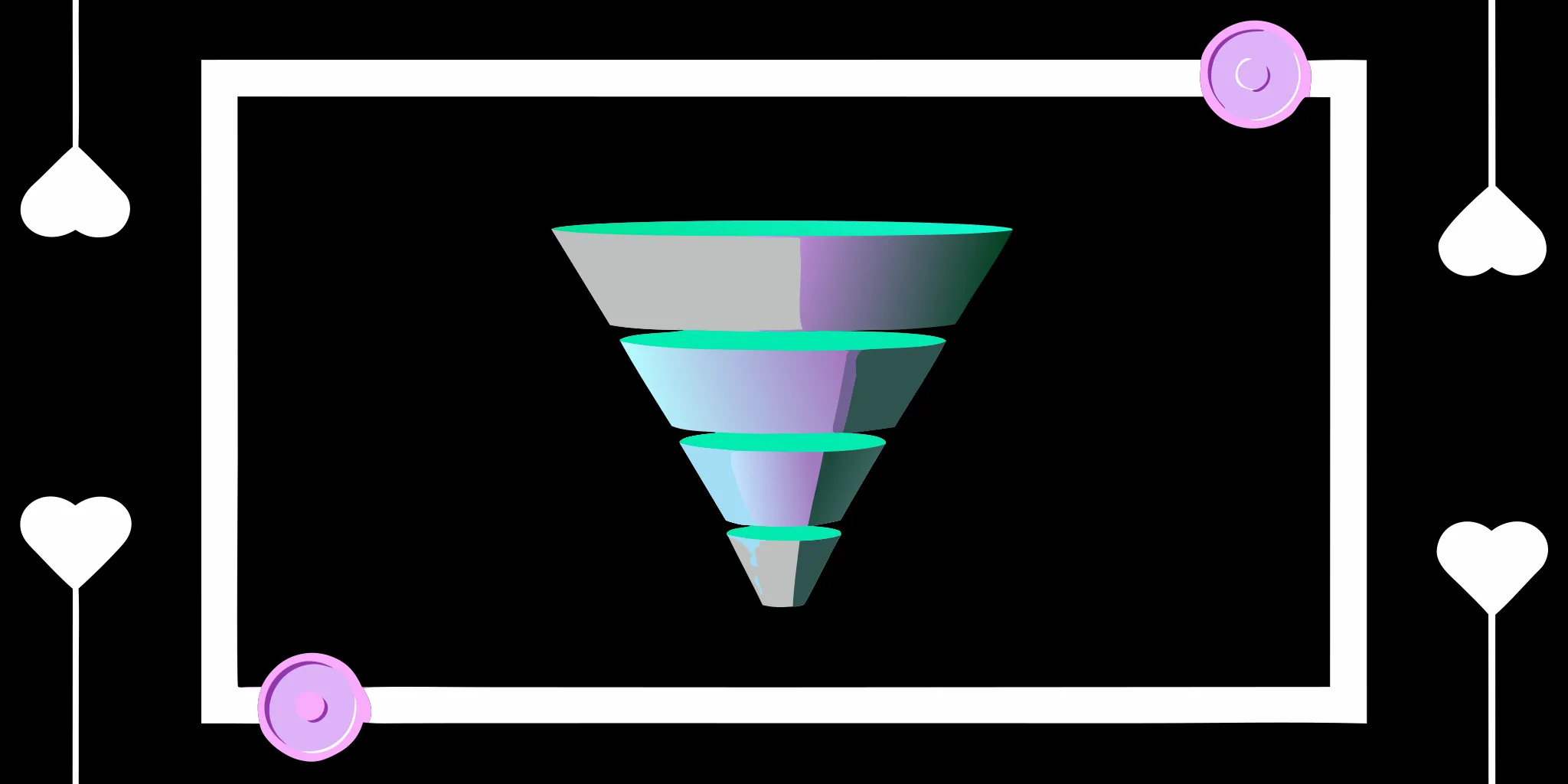
Think of a donor funnel as a roadmap that outlines a supporter's journey with your nonprofit. It starts the moment someone first hears about your cause and guides them through different stages of engagement, hopefully leading to them becoming a lifelong advocate for your mission. This framework helps you understand what your supporters need at each step, ensuring you’re building a genuine connection rather than just asking for money. It’s a strategic way to visualize and plan how you’ll turn initial curiosity into lasting commitment.
Instead of a one-size-fits-all approach, the funnel helps you tailor your communication. A person who just discovered your organization on social media needs a different message than a dedicated volunteer who has been with you for years. By mapping this journey, you can provide the right touchpoints at the right time, making supporters feel seen and valued. This intentional process is the foundation for building a strong, sustainable community of donors who are truly invested in your work. GoodUnited helps nonprofits put this process into action by turning anonymous social media followers into engaged supporters.
How Is It Different from a Sales Funnel?
You’ve probably heard of a sales funnel, and while the concept is similar, the focus is fundamentally different. A sales funnel is designed to convert a lead into a customer, often prioritizing the transaction itself. A donor funnel, on the other hand, is all about the relationship. The primary goal isn't just to secure a donation; it's to build trust and a deep connection with supporters before you ever make an ask.
This distinction is critical. While a business sells a product or service, your nonprofit is offering a chance to make a difference. The donor funnel prioritizes nurturing supporters, educating them about your impact, and making them feel like part of your community. It’s a longer-term strategy that values connection over conversion, which is why direct messaging can be so effective for guiding supporters through their journey personally.
Why Your Donor Funnel Is Crucial
Having a clear donor funnel is essential for sustainable fundraising. It provides a clear plan, preventing you from making one of the most common mistakes in fundraising: asking for a donation too soon. When you ask for money before building a relationship, you risk alienating potential supporters who aren't yet connected to your cause. A funnel ensures you take the time to build trust first, which leads to stronger relationships and, ultimately, more donations.
This strategic approach also saves you time and resources. By understanding where supporters are in their journey, you can focus your efforts where they’ll have the most impact. Instead of guessing what to do next, you have a clear path for engagement that moves people from awareness to investment. As our friends at Kindsight note, a funnel helps you "take your time to build relationships with potential donors," which is the key to long-term success. You can see how this works in practice in our customer stories.
The 5 Stages of the Donor Funnel
Think of the donor funnel as the path a person takes from first hearing about your nonprofit to becoming a dedicated, long-term supporter. It’s a framework that helps you meet people where they are and guide them toward a deeper connection with your cause. Each stage represents a different level of engagement and requires a unique approach. By understanding these five stages, you can create a more intentional and effective fundraising strategy that builds lasting relationships, not just one-time transactions. Let's walk through each step of the journey.
Stage 1: Awareness
This is the very top of your funnel, where potential supporters first learn your nonprofit exists. The goal here isn't to ask for a donation; it's simply to make an introduction. You want people to hear your name, get a basic sense of your mission, and feel a spark of curiosity. Your focus should be on broad outreach through channels where new audiences can find you, like social media, public events, or press mentions. Think of it as making friends. You’re sharing compelling stories and visuals that make people stop scrolling and pay attention. At this stage, you’re building brand recognition and planting the seeds for a future relationship.
Stage 2: Interest
Once someone is aware of your organization, the next step is to capture their interest. This is where you move from a brief introduction to a real conversation. Your goal is to help potential supporters understand the problem you’re solving and why your work is so important. You can do this by sharing more in-depth content like blog posts, supporter stories, and educational videos. This is the perfect time to invite them into a more personal space, like a newsletter or a direct messaging conversation on social media. By providing value and building trust, you help them connect with your cause on an emotional level, making them feel a personal stake in your mission’s success.
Stage 3: Involvement
In the involvement stage, a person moves from being a passive observer to an active participant. They are ready to take a small, low-commitment step to show their support. This is a crucial step before asking for money because it deepens their connection to your community and mission. You can encourage involvement by asking them to sign a petition, share a social media post, or join a free event. Facebook Challenges, for example, are a fantastic way to get people involved. These actions give supporters a positive experience and help them see themselves as part of your movement, making them much more likely to invest later on.
Stage 4: Investment
Now that you’ve built a foundation of trust and engagement, it’s time to make the ask. The investment stage is where a supporter makes their first donation. The key here is to make the process as clear and simple as possible. Your call to action should be direct, explaining exactly how a donation will make an impact. It’s important to remove any friction from the giving process with a mobile-friendly, easy-to-use donation page. Whether you’re asking for a one-time gift or inviting them to become a peer-to-peer fundraiser, the transition from involvement to investment should feel like a natural and rewarding next step for the supporter.
Stage 5: Stewardship
The journey doesn't end after the first donation. In fact, this is where the most important work begins. The stewardship stage is all about nurturing your relationship with the donor to ensure they feel valued and stay engaged for the long haul. This means thanking them promptly and personally, sharing regular updates on the impact of their gift, and showing them they are a vital part of your community. Excellent stewardship turns a one-time donor into a recurring giver and a passionate advocate for your cause. By consistently showing your appreciation, you build the loyalty that fuels sustainable growth, as seen in many nonprofit success stories.
Why Is Your Donor Funnel Empty?
If it feels like you’re putting in more effort for fewer results, you’re not alone. An underperforming donor funnel is a common frustration, but it’s usually a sign that your strategy needs a refresh, not a complete overhaul. Often, the problem comes down to a few key areas: the changing landscape of giving, the channels you’re using to connect with people, and the timing of your fundraising asks. Let's look at why your funnel might not be as full as you'd like and what you can do about it.
Fewer Donors, Higher Costs
It’s getting harder to find and keep donors. That’s not just a feeling; it’s a fact. Across the sector, nonprofit professionals are dealing with declining donor numbers and lower retention rates. This means the pool of potential givers is shrinking, and the cost to acquire a new donor is going up. When you’re spending more to bring in fewer people, the top of your funnel naturally starts to look sparse. This external pressure makes it more important than ever to have a strategy that not only reaches new audiences but also builds genuine, lasting relationships that keep supporters coming back.
Relying on Outdated Channels
Are you trying to meet supporters in places they no longer hang out? Relying too heavily on traditional channels like email and direct mail can feel like shouting into an empty room. While these methods still have a place, their effectiveness is waning as people spend more of their time on social media. If your primary communication channels are seeing lower open rates and less engagement, it’s a clear sign that you’re missing a huge opportunity. Cumbersome platforms or communication methods that add friction will stop potential supporters from ever entering your funnel, no matter how compelling your mission is.
Asking for Donations Too Soon
Think of your relationship with a donor like any other friendship. You wouldn't ask a new acquaintance for a big favor, right? The same principle applies to fundraising. Many nonprofits make the mistake of asking for a donation before they’ve built any real trust or connection. A premature ask can feel transactional and impersonal, causing potential supporters to drop out of your funnel before they even understand your impact. You have to create a 'full-funnel' fundraising strategy that nurtures interest and invites involvement first. By focusing on building a relationship before asking for money, you give supporters a reason to care and a reason to give.
How to Build Your Donor Funnel, Step by Step
Building a donor funnel isn’t about finding a magic formula. It’s about creating a clear, repeatable path that guides potential supporters from their first interaction with your nonprofit to becoming dedicated, long-term donors. Think of it as rolling out a welcome mat and then gently showing people how they can become part of your community and mission. The goal is to meet people where they are, which today means on social media, and build genuine relationships that inspire action.
This step-by-step process helps you turn passive social media followers into an active and engaged donor base. Instead of making one-off, disconnected asks, you’ll create a cohesive journey that nurtures interest and builds trust over time. Each step is designed to move a person closer to your cause, not by pushing them, but by pulling them in with compelling stories and meaningful opportunities to get involved. By focusing on this journey, you can create a sustainable pipeline of support that fuels your work for years to come.
Step 1: Define and Segment Your Audience
Before you can guide anyone through your funnel, you need to know who you’re talking to. The first step is to clearly define and segment your audience. A generic message sent to everyone will resonate with no one. Instead, think about the different groups of people who support your cause. You might have young professionals who are active on Instagram, older donors who prefer Facebook, or corporate partners with specific philanthropic goals.
Create simple donor personas for each group. What are their interests? What motivates them to give? Where do they spend their time online? Once you have these segments, you can tailor your messaging to speak directly to their values and motivations. This thoughtful approach ensures your content feels personal and relevant, making it much more likely to capture their attention and inspire them to learn more about your work.
Step 2: Create Awareness with Social Media and Content
Now it’s time to fill the top of your funnel. This is the awareness stage, where you introduce your nonprofit to people who may have never heard of you. Social media is your most powerful tool here. Your goal isn't to ask for donations right away but to simply get on people's radar. Share content that highlights your mission, your values, and the problems you’re working to solve.
Use a mix of formats like short videos, infographics, and compelling images to stop the scroll. Post consistently on the platforms where your target audience is most active. The key is to create valuable, shareable content that establishes your organization as a trusted voice. This initial exposure is the first handshake, opening the door for a deeper conversation and building a foundation for future supporter engagement.
Step 3: Capture Interest with Great Storytelling
Once someone is aware of your organization, the next step is to capture their interest and create an emotional connection. This is where storytelling comes in. People give to people, not to faceless organizations. Share authentic stories that illustrate the impact of your work. Introduce your community to the individuals you serve, the volunteers on the ground, and the team members working behind the scenes.
Use videos, blog posts, and social media carousels to tell these stories. Show, don't just tell. Instead of saying you make a difference, show a video of the difference being made. These narratives help people see themselves as part of your mission. As you share these stories, you’ll notice people engaging through likes, comments, and shares. These are the individuals who are moving from awareness to genuine interest, and as you'll see in our customer stories, this is a pivotal moment.
Step 4: Drive Involvement with Events and Challenges
With interest piqued, it's time to invite people to take a small, low-commitment step. This is the involvement stage, where you give your followers an easy way to participate without having to open their wallets. The goal is to turn passive interest into active engagement. This could be as simple as asking them to sign a petition, share a post with their network, or answer a poll in your Instagram Stories.
A highly effective way to drive involvement is through Facebook Challenges. These virtual events ask participants to complete an activity, like walking 100 miles in a month, while fundraising from their friends and family. It’s a fun, interactive way for supporters to get involved, connect with a community, and become advocates for your cause. This step deepens their relationship with your organization and prepares them for the next stage: making a donation.
Step 5: Create a Simple Way to Give
After a supporter has engaged with your content and participated in an activity, they are much more likely to donate. Now is the time to make your ask, but it’s crucial to make the giving process as simple and frictionless as possible. Clearly explain why you need their support now and how their specific donation will make a tangible impact. For example, "Your $25 gift will provide a week of meals for a family."
Your donation page should be mobile-friendly, easy to find, and require minimal clicks. Even better, meet donors where they already are. By using tools that allow for fundraising directly within social media direct messages, you can remove the friction of sending supporters to an external website. The easier you make it for someone to give, the more likely they are to complete their donation and feel good about their contribution.
Step 6: Build a Strategy to Retain Donors
The donor journey doesn't end after the first gift. In fact, that's just the beginning of your most important work: donor retention. The final stage of the funnel is stewardship, which is all about nurturing that new relationship and making your donors feel valued. The first step is a prompt and personal thank you. Go beyond an automated email receipt. A personalized video message or a heartfelt note can make a huge impression.
Continue to communicate with them regularly, sharing updates and stories that show their donation in action. Invite them to become recurring donors, showing them how sustained giving provides predictable support for your mission. By treating your donors like the partners they are, you can guide them from being a one-time giver to a lifelong advocate for your cause. This focus on building 1:1 relationships is the key to long-term fundraising success.
Where Does Social Media Fit in Your Donor Funnel?
Think of your social media channels as more than just a megaphone for the awareness stage. They are dynamic, interactive spaces where you can guide supporters through every single step of the donor funnel. While your public feed is great for casting a wide net and sharing your mission, the real magic happens when you move the conversation from the public square into a private, one-on-one setting. This is where you can truly connect with individuals, understand their motivations, and build genuine relationships.
The goal is to transform your social media from a broadcast channel into a relationship-building engine. It’s the place where a passive follower can become an engaged supporter, an interested individual can become an involved participant, and an inspired participant can become a committed donor. By leveraging the right strategies, you can use social media to not only find new supporters but also to build the meaningful connections that turn them into lifelong advocates for your cause. The key is to meet people where they are and create a clear, personal path from a simple "like" to a significant gift. It’s about creating a journey, not just a transaction.
Turn Followers into Donors
Your social media followers are more than just a number; they are a community of potential donors waiting to be engaged. The first step is to move them from passive observation to active interest. Use your content, like compelling videos, interactive polls, and behind-the-scenes stories, to see who leans in. Every like, comment, and share is a signal from someone who is connecting with your mission. By identifying these engaged individuals, you can begin to nurture that initial spark of interest. As you see who shows up, you can tailor your outreach and start a more direct conversation, making them feel seen and valued. Many successful nonprofits have seen how these initial social interactions can lead to incredible customer stories of support.
Use Direct Messaging to Guide Supporters
Once you’ve captured someone’s interest, the best place to build a real connection is in their direct messages. Unlike public posts, DMs offer a private, personal space for a one-on-one conversation. This is your opportunity to move beyond generic marketing and create a tailored experience for each supporter. You can answer their specific questions, share stories that align with their interests, and thank them personally for their engagement. Using direct messaging for nonprofits allows you to guide supporters gently through the funnel, providing the right information and encouragement at the right time. It’s a powerful way to build trust and make the eventual ask for a donation feel like a natural and welcome next step in their journey with you.
Use Challenges and Fundraisers as Entry Points
Social media challenges are a fantastic way to get supporters actively involved with your cause before asking for a donation. A fitness challenge or a creative activity tied to your mission gives people a fun, low-barrier way to participate and connect with a community of like-minded individuals. These events are perfect for the "Involvement" stage of the funnel. They allow supporters to have a positive, tangible experience with your organization and see that their participation matters. From there, it’s a much smaller leap to encourage them to start a peer-to-peer fundraiser. By using Challenges on Facebook, you can turn enthusiastic participants into active fundraisers, multiplying your reach and impact.
How to Nurture Relationships at Every Stage
A healthy donor funnel isn’t just about getting people from the top to the bottom. It’s about building genuine, lasting relationships with the people who believe in your mission. Nurturing isn't a final step you take after a donation; it's an ongoing conversation that happens at every stage. When you shift your focus from one-time transactions to long-term connection, you create a sustainable community of supporters who feel valued and engaged.
This means meeting supporters where they are, listening to what matters to them, and consistently showing them the difference they make. By weaving relationship-building into every interaction, you transform your funnel from a simple pipeline into a powerful cycle of engagement and support. This approach not only helps you retain the donors you have but also empowers them to become your most passionate advocates. GoodUnited's entire model is built on this idea of using direct messaging to create and nurture these 1:1 relationships at scale.
Personalize Your Communication
In a world full of noise, a generic message is easily ignored. Your supporters are individuals, and they want to be treated that way. As one report notes, "Personalized communication is essential in today’s fundraising landscape. Donors expect tailored interactions that resonate with their values and past contributions." By segmenting your audience based on their interests, past involvement, or how they found you, you can craft messages that feel like they were written just for them. This could be as simple as acknowledging their participation in a past event or referencing a specific program they showed interest in. This personal touch shows you’re paying attention and helps you build a much deeper connection.
Encourage Recurring Gifts
A recurring gift is one of the best indicators of a committed supporter. It provides your organization with a stable, predictable source of funding and makes it easy for a donor to offer continuous support. The key is to make the ask at the right time and in the right way. Research shows that once a first-time donor makes a second gift, they are far more likely to continue giving. You can use automated messages to gently follow up with a one-time donor a few weeks after their initial contribution, showing them the impact they’ve already made and inviting them to become a monthly supporter. Frame it as an easy way for them to deepen their commitment to the cause they care about.
Create Feedback Loops to Build Commitment
Donors want to know their contribution mattered. Creating feedback loops is how you close the circle and show them the tangible results of their generosity. As fundraising experts point out, "Engaging donors through regular updates, sharing impactful stories, and demonstrating how their contributions are making a difference can strengthen their connection to your mission." Don't let a thank you message be the end of the conversation. Follow up with photos, share stories of impact, and send updates on your progress. When you make your donors feel like valued partners on your journey, you reinforce their commitment and make them feel truly involved in your organization’s success.
What Metrics Should You Track for Your Funnel?
You can’t improve what you don’t measure. Building a donor funnel is the first step, but tracking its performance is how you make it work for you long-term. By looking at a few key numbers, you can stop guessing what your supporters want and start making data-informed decisions that strengthen your fundraising. Think of these metrics as your guideposts, showing you where your funnel is strong and where it needs a little more attention. They help you understand the entire supporter journey, from the moment someone first hears about your cause to the point where they become a loyal, recurring donor. Let's walk through the most important metrics to track at each stage.
Track Awareness and Engagement
This is your top-of-funnel check-in. Are people finding you? Are they interacting with your content? Look at metrics like social media reach, shares, and comments to see what’s capturing attention. Your donor acquisition rate is another critical number here; it tracks how many new donors you’ve gained over a specific period. If your social media engagement is high but your acquisition rate is low, it’s a sign that you need to create a clearer path from interest to action. By monitoring these metrics, you can evaluate how effective your outreach strategies are at bringing new supporters into your community and how your funnel works to convert them.
Measure Conversions and Acquisition Costs
Once you have someone’s attention, the next step is to see if they’ll make a gift. Your conversion rate, the percentage of people who donate after you ask, is the most direct measure of success here. But it’s not the only one. You also need to track your cost per acquisition (CPA), which is how much you spend to gain a single new donor. This number tells you if your fundraising efforts are financially sustainable. If your CPA is high, it might mean you’re spending too much on channels that aren’t delivering. Seeing how other nonprofits have lowered their acquisition costs can provide a helpful benchmark, as shown in these customer stories.
Monitor Retention and Average Gift Size
Acquiring a new donor is just the beginning. The real goal is to build a lasting relationship. Your donor retention rate, the percentage of donors who give a second gift, shows how well you’re doing this. Keeping existing donors is far more cost-effective than constantly finding new ones. Also, keep an eye on your average gift size and the percentage of supporters who become recurring donors. If these numbers are growing, it’s a great sign that your community feels connected to your mission. Nurturing these relationships through personalized direct messaging for nonprofits is a powerful way to encourage that long-term commitment and keep your supporters engaged.
Common Donor Funnel Mistakes to Avoid
Building a donor funnel is a huge step, but even the most thoughtful funnels can spring leaks. Often, these leaks are caused by a few common missteps that are easy to overlook when you’re busy with the day-to-day work of running a nonprofit. The good news is that once you know what to look for, you can patch these holes and create a stronger, more effective path for your supporters to follow.
Avoiding these pitfalls isn’t just about getting more donations; it’s about building a more resilient fundraising program. When you fix these issues, you stop losing potential supporters and start building deeper, more meaningful relationships with the people who believe in your cause. By focusing on personalization, consistent engagement, modern communication channels, and data-driven adjustments, you can turn a leaky funnel into a powerful engine for growth. Let’s walk through some of the most common mistakes and how you can steer clear of them.
Treating All Donors the Same
One of the quickest ways to lose a supporter’s interest is to treat them like a number. A generic, one-size-fits-all approach ignores the fact that every donor is an individual with unique motivations. Someone who signed up after a compelling social media post has different interests than a long-time volunteer. Sending them both the same exact message can make your communication feel impersonal and irrelevant. Instead, segment your audience based on their behaviors, interests, and history with your organization. This allows you to tailor your messaging and make each supporter feel seen and understood, which is the foundation of a lasting relationship.
Forgetting Donors After Their First Gift
It’s easy to focus all your energy on acquiring that first donation, but what happens next is just as important. Forgetting about a donor right after they give is a massive missed opportunity. That first gift isn't the finish line; it's the start of a new relationship. You can nurture this connection by immediately showing your appreciation with a personalized thank-you message. From there, keep them engaged by sharing stories about the impact of their contribution and inviting them into your community. Using direct messaging to follow up creates a personal touch that makes donors feel valued, encouraging them to stay involved and give again in the future.
Using Channels That Don't Work Anymore
Are your email open rates dropping? Are your direct mail campaigns getting lost in the shuffle? It might be time to rethink your channels. Sticking with outdated or ineffective communication methods just because "it's how we've always done it" can prevent you from reaching supporters. People are spending more time than ever on social media, and your strategy needs to reflect that. Meeting donors where they already are, like in their social media DMs, removes friction and makes it easier for them to engage. By embracing modern channels like Facebook Challenges and conversational messaging, you can connect with supporters in a way that feels natural and immediate.
Not Measuring and Adjusting Your Strategy
If you aren’t tracking your funnel’s performance, you’re essentially fundraising with a blindfold on. Without data, you can’t know what’s working, what’s not, and where your biggest opportunities are. Failing to measure your results means you’re likely wasting time and resources on strategies that aren’t delivering. Start by tracking a few key performance indicators (KPIs), such as conversion rates between stages, donor acquisition cost, and supporter lifetime value. Regularly reviewing this data will give you the insights you need to make smart adjustments, optimize your funnel, and ultimately raise more for your mission.
Tools to Help You Build a Better Donor Funnel
Building a healthy donor funnel doesn’t mean you have to manage every single interaction by hand. The right technology can help you streamline the process, freeing up your team to focus on what really matters: building genuine relationships with your supporters. Think of these tools not as replacements for human connection, but as powerful assistants that help you personalize your outreach and connect with more people at scale.
From organizing your supporter data to automating communications, the right tech stack makes your funnel more efficient and effective. It allows you to meet people on their preferred channels and guide them on their journey with your organization in a way that feels natural and supportive. Instead of getting lost in spreadsheets and manual follow-ups, you can implement a system that nurtures relationships from the first point of contact through to long-term stewardship. Let’s look at a few key types of tools that can make a huge difference.
CRMs and Donor Management Systems
Think of a donor management system, or CRM, as your nonprofit’s central memory. It’s a database that holds all the crucial information about your supporters: their contact details, donation history, communication preferences, and interaction history. Using a donor management system allows you to send personalized messages based on what people are interested in, making them feel seen and valued. This level of personalization is what helps you guide supporters through the funnel and can even encourage them to start raising money for you through peer-to-peer campaigns. A good CRM gives you a complete view of each supporter’s journey, helping you make smarter decisions about how and when to engage them.
Automated Messaging
Automation is your key to nurturing relationships consistently and at scale. When set up thoughtfully, automated messaging doesn’t feel robotic; it feels responsive. You can send automated messages with updates, impact stories, and ways for supporters to get involved. This helps keep your cause top-of-mind and constantly reminds donors of the incredible impact their contributions are making. While email is a common channel for this, you can also use automation for SMS and social media. With automated direct messaging, you can instantly welcome new followers, answer common questions, and guide people toward the next step in their journey with your nonprofit, all without lifting a finger.
Social Fundraising and DM Tools
Your supporters are already on social media every day, so your funnel needs to be there, too. While creating engaging content like videos and stories is a great start, the real connection happens when you move the conversation to a more personal space. This is where social fundraising and direct messaging tools come in. They help you turn anonymous followers into named, engaged supporters by starting one-on-one conversations in their DMs. You can use these tools to invite followers to join events like Facebook Challenges, celebrate their fundraising milestones, and make it incredibly simple for them to give directly within the platform. This approach meets people where they are and removes friction from the giving process.
Related Articles
- How to Retain Donors: Donor Retention Strategies That Work
- How to Acquire New Donors: 7 Proven Strategies
Frequently Asked Questions
My nonprofit is small and has limited resources. Can I still build an effective donor funnel? Absolutely. A donor funnel is more about your approach than your budget. You don't need a huge team or expensive software to start. Begin by focusing on one social media channel where you know your supporters are active. Concentrate on telling authentic stories and engaging with the people who comment and share your content. The core of the funnel is building relationships, which you can do personally through direct messages. The principles of the funnel scale, so you can start small and build from there.
What’s the single biggest mistake nonprofits make with their donor funnel? The most common mistake is asking for a donation too soon. It’s tempting to jump straight to the ask, but doing so without first building a connection can feel transactional and push potential supporters away. You have to earn their trust first. By guiding people through the awareness, interest, and involvement stages, you give them a reason to care about your mission. When the ask finally comes, it feels like a natural and welcome opportunity, not a premature demand.
How do I know when it's the right time to ask for a donation? Look for clear signals of engagement. The right time to ask is after a supporter has moved from being a passive follower to an active participant. Have they joined one of your Facebook Challenges, consistently commented on your posts, or started a conversation with you in direct messages? These actions show they are invested in your cause. The ask should feel like a logical next step in their journey with you, not a surprise.
You mention social media a lot. Does this mean email is no longer useful for fundraising? Not at all. Email is still a valuable tool, especially for communicating with supporters who you know prefer it. The point isn't to abandon email but to recognize that you can't rely on it alone. So many potential supporters spend their time on social platforms, and you need to meet them there to start a relationship. A strong strategy often uses both channels, leveraging social media to build new connections and email to nurture existing ones.
What is the difference between the 'Interest' and 'Involvement' stages? They seem similar. That's a great question, as the distinction is important. The interest stage is about passive learning; a person is consuming your content, like reading your blog or watching your videos, to understand your mission. The involvement stage is when they take their first active step. They move from being an observer to a participant by doing something, such as signing a petition, sharing a campaign, or joining a virtual event. This action deepens their connection and signals they are ready for more engagement.