

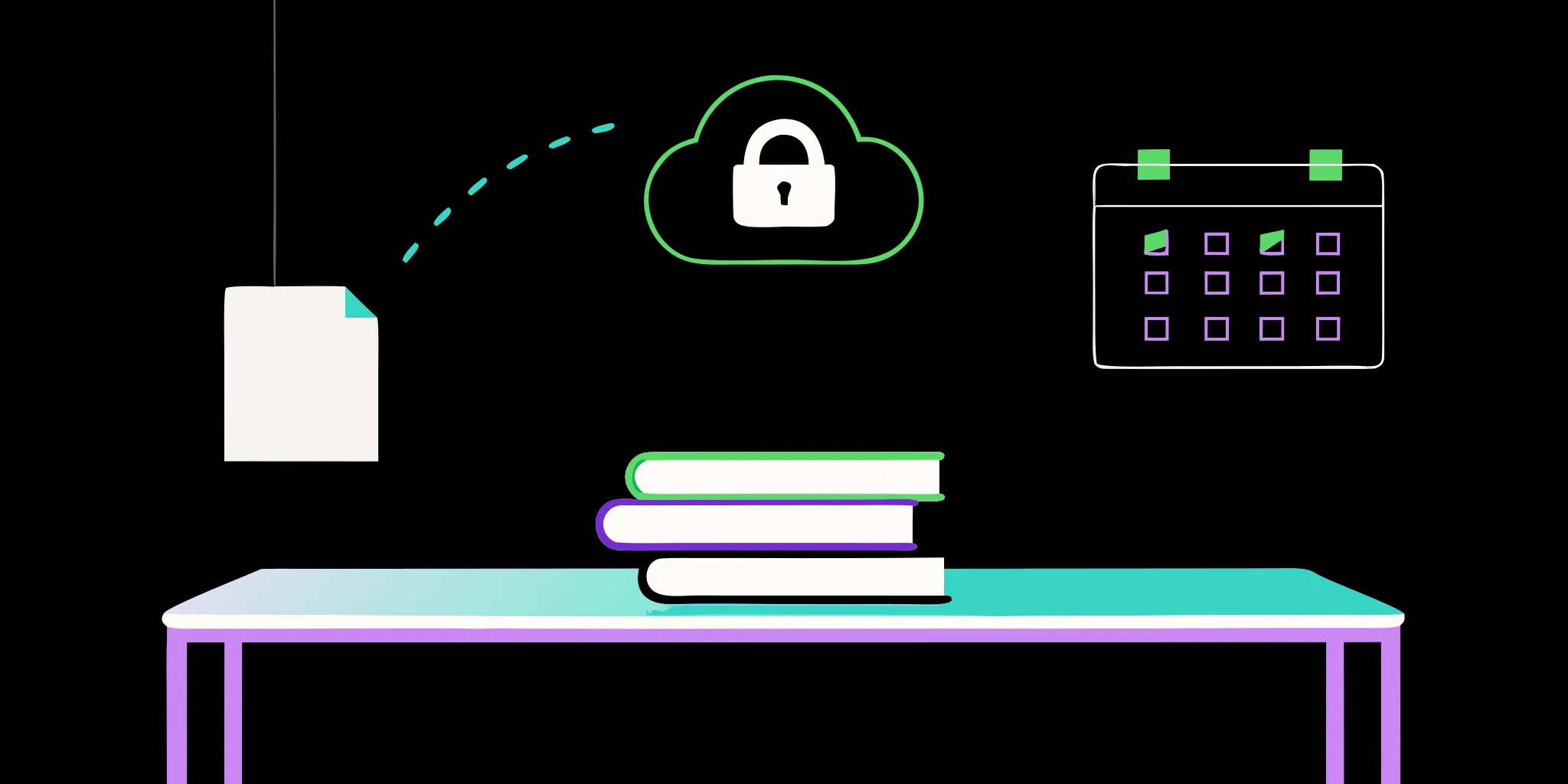




Think of your organization's data like a storage unit. Over time, it gets filled with all sorts of things: valuable records, outdated files, and duplicates you forgot you even had. Without a plan, it becomes a disorganized mess where you can't find what you need and you're paying to store junk. A data retention policy is your organizational plan for that storage unit. It helps you sort through everything, label what’s important, set a date to get rid of what you no longer need, and keep everything tidy. This isn't just about digital spring cleaning; it's a critical practice for security, compliance, and efficiency that protects your nonprofit from risk.
Key Takeaways
- Go beyond legal compliance to build trust: A data retention policy is a commitment to your supporters, not just a legal document. By intentionally managing data, you protect sensitive information, reduce security risks, and show donors you value their privacy.
- Create a practical plan for your data: A strong policy needs a clear structure. Start by categorizing your data, defining how long you will keep each type based on legal and operational needs, and outlining a secure process for deleting it.
- Use training and technology to ensure success: A policy is only effective if your team follows it, so make training a priority. You can also use technology to automate your rules, which saves time, reduces errors, and makes compliance a seamless part of your operations.
What Is a Data Retention Policy?
Think of a data retention policy as your nonprofit's official rulebook for handling information. It’s a formal document that outlines exactly how your team should manage data from the moment you collect it to the moment you securely delete it. This policy isn’t just about tidying up your digital files; it’s a critical tool for legal compliance, data security, and operational efficiency.
For nonprofits, this is especially important. You handle a lot of sensitive information, from donor financial details to personal stories from the communities you serve. Without clear guidelines, it’s easy to hold onto data for too long, putting your organization and your supporters at risk. A solid data retention policy gives your team clear instructions, ensuring everyone handles data consistently and responsibly. It answers key questions like: What information do we need to keep? How long do we need to keep it? And how do we get rid of it safely when the time comes?
What It Is and Why It Matters
At its core, a data retention policy is a set of rules that tells your organization how to save data for legal or regulatory reasons and how to dispose of data when it's no longer needed. You can’t keep everything forever, so your policy helps you decide what to retain and what to delete based on specific requirements. This is essential for staying compliant with various laws and regulations that govern nonprofit operations.
More importantly, holding onto too much data is a significant liability. Studies show that a large percentage of data kept longer than necessary contains sensitive personal information. This creates unnecessary risks related to security breaches, legal issues, and storage costs. A clear policy minimizes these risks by ensuring you only keep what is absolutely necessary.
Understanding the Data Lifecycle
A well-structured data retention plan is your guide to managing the entire data lifecycle. It helps you determine what data to keep, what to delete, and when to do it, all based on legal requirements, the data's value to your mission, and any associated risks. This process ensures that information is handled properly from creation to disposal.
To put your policy into action, the first step is to identify, categorize, and label all the data you hold. This includes everything from donor records in your CRM to supporter conversations from your social media fundraising campaigns. This initial organization is key. It helps you clear out useless data right away and makes it much easier to manage the valuable information you need to keep.
Why Your Nonprofit Needs a Data Retention Policy
The phrase "data retention policy" might sound like something reserved for large corporations, but it's one of the most important frameworks you can establish for your nonprofit. Think of it as a clear, intentional plan for managing the information your supporters, staff, and volunteers entrust to you. It’s a roadmap that tells your team what data to keep, for how long, and when and how to securely dispose of it.
This isn't just about digital spring cleaning. A solid data retention policy is a foundational element for building donor trust, ensuring legal compliance, and running a more efficient organization. It moves you from accidentally hoarding data to mindfully managing it, which protects your nonprofit, your supporters, and your mission in the long run.
Stay Compliant with the Law
First and foremost, a data retention policy helps you follow the rules. Nonprofits handle a wide variety of information, including donor details, employee files, and financial records. Many of these data types are governed by specific regulations that dictate how long they must be kept. A policy translates these complex requirements into a simple set of instructions for your team. It ensures you meet your legal obligations without having to second-guess your decisions. By defining these timelines clearly, you avoid the risk of deleting critical information too soon or holding onto it for too long, both of which can create compliance headaches.
Protect Your Donors and Your Data
Your supporters share their personal information because they believe in your cause, and protecting that data is essential to maintaining their trust. Holding onto information indefinitely creates unnecessary risk. In fact, up to 75% of data kept longer than needed contains sensitive personal information that could be exposed in a security breach. By systematically and securely deleting old data, you shrink your organization's digital footprint and reduce potential vulnerabilities. This proactive approach shows your donors you are serious about protecting their privacy and strengthens the relationships that are so critical to your work.
Streamline Operations and Save Money
Beyond compliance and security, a data retention policy makes your day-to-day work much easier. When your systems are cluttered with outdated, irrelevant, or duplicate files, it slows everyone down. Finding the right report or donor record can become a frustrating search through digital noise. A clear policy helps you keep only the data you truly need, which can save significant money on data storage costs. This decluttering makes your entire operation more efficient. Your team can find information faster, and you can be confident that the data you’re using is relevant and up-to-date, leading to better decision-making and more effective fundraising.
Key Components of a Strong Data Retention Policy
A strong data retention policy is more than just a single document; it’s a complete framework for how your organization handles information from creation to deletion. Think of it as the blueprint for your data management house. Without a solid plan, things can get messy, disorganized, and even risky. Building your policy around a few core components will ensure it’s clear, comprehensive, and easy for your team to follow. These pillars help you cover all your bases, from legal requirements to operational efficiency, so you can manage your data with confidence.
Classify Your Data
The first step is to understand what kind of data you actually have. Not all information is created equal, so you can’t treat it all the same. Start by sorting your data into logical categories. For example, you might have buckets for donor personal information, financial transaction records, employee files, volunteer data, and marketing communications like email and social media messages. This process helps you see exactly what you’re storing. A clear data management strategy makes it much easier to apply the right rules to the right information, ensuring sensitive data gets the highest level of protection.
Set Retention Timelines
Once you know what data you have, you need to decide how long to keep it. These timelines aren’t arbitrary; they should be based on legal requirements and your nonprofit’s operational needs. For instance, the IRS generally requires you to keep financial records for at least seven years. On the other hand, information from a one-time event volunteer might only be needed for a year. Setting specific retention periods for each data category prevents you from holding onto information for too long, which can be a liability, or deleting it too soon, which could get you into legal trouble.
Plan for Secure Data Deletion
Your policy must clearly outline what happens when data reaches the end of its life. Simply moving a file to the trash bin isn’t enough. Secure data deletion means permanently removing the information so it cannot be recovered. This process is critical for protecting your donors’ privacy and maintaining their trust. Your plan should specify the methods for destruction, whether it’s shredding physical documents, using software to wipe digital files, or degaussing old hard drives. Detailing these procedures ensures that when data is deleted, it’s gone for good.
Define Access and Permissions
Not everyone on your team needs access to every piece of data. Your policy should define who can view, modify, and delete information based on their role. For example, your development team needs access to donor contact information, but only the finance department should be able to see full credit card details. Establishing clear access controls is a fundamental part of internal data security. It minimizes the risk of accidental data breaches or misuse of sensitive information. Documenting these permissions creates accountability and helps protect your nonprofit from the inside out.
How to Create Your Data Retention Policy
Creating a data retention policy from scratch might feel like a huge undertaking, but it’s entirely manageable when you break it down into a few clear steps. Think of it as building a framework to protect your organization and your supporters. A strong policy clearly states its purpose, who it applies to, and what data it covers. It also includes a schedule for keeping data, rules for securing it, guidelines for destroying it, and a plan for handling any potential data breaches.
By following a structured process, you can create a policy that is comprehensive, compliant, and practical for your team to follow. The goal is to be intentional about the data you keep, ensuring every piece of information serves a purpose and is handled responsibly from the moment you collect it to the moment you delete it. Let’s walk through the four key steps to building your policy.
Audit Your Current Data
Your first step is to get a clear picture of the data you currently hold. You can’t protect what you don’t know you have. Start by conducting a thorough data audit to map out all the information your nonprofit collects, processes, and stores. This includes everything from donor contact details and donation histories in your CRM to volunteer applications, email lists, and website analytics.
As you go, document where each type of data lives, who has access to it, and how it’s being used. This inventory will become the foundation of your policy, helping you understand your data landscape and identify potential risks. A data mapping exercise is a great way to visualize this information and ensure nothing gets overlooked.
Identify Legal Requirements
With your data audit complete, the next step is to figure out which laws and regulations apply to your organization. Data privacy is governed by a complex web of rules that can vary based on where your nonprofit operates and where your supporters live. For example, if you have donors in Europe, you’ll need to comply with the General Data Protection Regulation (GDPR). If you handle health information, HIPAA will apply.
Research federal, state, and local laws related to data retention and privacy. Don’t forget industry-specific standards, like PCI DSS for handling credit card payments. Because these requirements can be complex, it’s always a good idea to consult with legal counsel to ensure your policy is fully compliant.
Develop Retention Schedules
Now it’s time to decide how long you’ll keep each type of data. This is the core of your retention policy. Your retention schedules should be based on legal requirements, operational needs, and industry best practices. For instance, the IRS generally requires nonprofits to keep financial records for at least three years, but other documents may have different timelines.
Create a clear schedule that categorizes your data (e.g., donor records, financial documents, employee files) and assigns a specific retention period to each. Be sure to define what triggers the start of the retention clock, such as the date of the last donation or the end of a fiscal year. This schedule will serve as a practical guide for your team to follow.
Get Your Team Involved
A data retention policy is only effective if everyone understands and follows it. This isn’t a task for just one person or department. Bring together a team with representatives from key areas of your organization, including IT, legal, fundraising, and finance. Each department has a unique perspective on how data is used and what’s needed for daily operations.
Involving a cross-functional team ensures the policy is practical and comprehensive. It also helps build buy-in across the organization, making implementation much smoother. By collaborating effectively, you can create a policy that works for everyone and becomes a natural part of your organization’s culture.
Navigating Key Data Retention Laws
Legal regulations around data can feel like a tangled web, but understanding the basics is the first step toward compliance and building trust with your supporters. While this isn't a substitute for legal advice, getting familiar with the key laws that affect nonprofits will help you create a policy that protects both your organization and your donors. The rules you need to follow often depend on where your supporters live and the type of information you collect. Let's walk through some of the most common regulations you're likely to encounter.
GDPR and Global Privacy Rules
If you have supporters in the European Union, the General Data Protection Regulation (GDPR) applies to you, no matter where your nonprofit is based. The core idea behind GDPR is simple: you should only keep personal data for as long as you have a specific, legitimate reason to have it. Once that purpose is fulfilled, the data needs to go. This law also champions transparency, requiring you to clearly explain your data practices and honor supporters' requests to have their information deleted. This is often called the "right to be forgotten" and is a key part of modern data privacy.
HIPAA for Health-Related Nonprofits
For nonprofits in the health sector, like hospitals, clinics, or health advocacy groups, the Health Insurance Portability and Accountability Act (HIPAA) is a critical piece of compliance. This U.S. federal law is designed to protect sensitive patient health information. HIPAA sets a minimum retention period, requiring you to keep patient-related records for at least six years. It also outlines strict rules for how this data must be stored and eventually disposed of to ensure patient privacy isn't compromised. If your organization handles any kind of protected health information, HIPAA compliance must be a central part of your data retention policy.
Financial and Fundraising Compliance
Beyond privacy laws, your nonprofit also has to follow financial regulations. These rules ensure transparency and accountability in your fundraising efforts. For example, tax authorities like the IRS have specific requirements for how long you must keep records of donations and other financial transactions. While specific timelines can vary, a common benchmark is to hold onto financial reports for at least seven years. Maintaining these records isn't just about staying compliant; it's about being prepared for audits and demonstrating responsible financial stewardship to your board, grantmakers, and donors.
How to Handle Different Types of Data
Not all data is created equal. Your data retention policy should outline different rules for different types of information, from donor records to internal emails. This ensures you’re not just compliant, but also practical. Here’s how to think about the most common data categories at your nonprofit.
Supporter and Donor Information
This is likely the most sensitive data you handle. Your policy needs to be crystal clear about how long you store personal details and giving histories. A good policy defines how to save data for legal reasons and how to securely delete it when it's no longer needed. This isn’t just about following rules; it’s about maintaining the trust you’ve built with your supporters. When people know you handle their information responsibly, they are more likely to stay engaged with your cause.
Financial and Transaction Records
When it comes to financial data, the rules are often less flexible. Your nonprofit must keep records like donation receipts and expense reports for a specific period to comply with legal and accounting standards. Many regulations require you to hold onto these records for at least seven years, and your policy should specify this timeline clearly. This practice keeps your organization prepared for any potential audits and demonstrates financial transparency.
Emails and Direct Messages
Your communication records are a vital part of your data landscape. A strong policy should cover every channel, including emails and the direct messages you exchange with supporters. These conversations can contain personal information, making it essential to have clear guidelines on how long to keep them. Establishing rules for these communications helps protect sensitive information and ensures your team handles supporter interactions consistently. It also prevents your digital storage from becoming cluttered with outdated conversations.
Temporary and System Files
It’s easy to forget about data your systems create automatically, like temporary files and system logs. These files can accumulate quickly, taking up valuable storage and creating digital clutter. Your policy should set schedules for regularly clearing out this data based on your operational needs. Think of it as routine digital housekeeping. Regularly removing old or unneeded system files helps streamline your data management and improve system performance.
Common Challenges in Data Retention (and How to Solve Them)
Creating a data retention policy is a huge step, but putting it into practice can bring up a few common hurdles. From confusing legal rules to getting your whole team on board, these challenges can feel daunting. The good news is that they are completely manageable. Let's walk through the most frequent obstacles nonprofits face and talk about practical ways to handle them, so your policy can become a living part of your operations.
Clearing Up Common Misconceptions
One of the biggest myths is that you should keep all data "just in case." In reality, a data retention policy isn't about hoarding information; it's about being strategic. The main reason organizations need these policies is to comply with specific laws and regulations. Keeping data you no longer need can create unnecessary risk and liability. Instead of asking, "What can we keep?" shift your mindset to, "What are we required to keep, and for how long?" This approach helps you protect your organization and your supporters' privacy by only holding onto what is truly necessary.
Juggling Multiple Regulations
If your nonprofit has supporters across different states or countries, you’re likely dealing with a mix of data privacy laws. It can feel like a tangled web, with rules like GDPR in Europe and various state-level laws in the US. While the specifics vary, many of these regulations share a core principle: only keep personal data for as long as you have a legitimate reason. For example, the General Data Protection Regulation (GDPR) requires you to securely delete data when it's no longer needed. The best first step is to identify which laws apply to your donor base and build a policy that meets the strictest requirements.
Integrating Tech and Finding Resources
Manually tracking every piece of data to know when it should be deleted is nearly impossible for busy nonprofit teams. This is where technology can be a game-changer. Using software to automate your data retention rules saves time and reduces the risk of human error. These tools can automatically enforce your policies, alert you when data is ready for deletion, and help you dispose of it securely. When looking for solutions, find platforms that can integrate with your existing systems, like your donor CRM and communication tools. This creates a seamless process and ensures your policy is applied consistently.
Ensuring Team Buy-In and Training
A data retention policy is only effective if your team understands and follows it. It can’t just be a document that lives in a folder; it needs to be part of your organization's culture. Data security is everyone's responsibility, from fundraising to marketing. To get everyone on the same page, make sure all employees know the policy and understand their specific role in it. Regular training sessions and clear documentation are key. When your team understands the "why" behind the policy—protecting supporters and the mission—they're much more likely to become active partners in keeping your data safe.
Using Technology to Simplify Data Retention
Creating a data retention policy is a huge step, but enforcing it consistently can feel like a whole other challenge, especially when your team is already stretched thin. This is where technology becomes your best friend. Instead of relying on manual checklists and calendar reminders, you can use tools to make your data retention plan a seamless, automated part of your daily operations. The right technology not only saves you time and resources but also significantly reduces the risk of human error, which can lead to compliance issues or data breaches.
Think of it this way: your policy is the blueprint, and technology is the skilled construction crew that brings it to life. These tools can help you manage data across all the different platforms you use, from your donor CRM to your email marketing software and even your social media messaging. By leaning on technology, you can ensure your policy is applied correctly and consistently, giving you peace of mind and freeing up your team to focus on what they do best: building relationships with supporters and advancing your mission. It’s about working smarter, not harder, to protect your organization and the people you serve.
Automate Retention and Deletion
Manually tracking every piece of data and its expiration date is nearly impossible and leaves a lot of room for error. Automation is the key to making your policy work in the real world. You can use software to automatically enforce your retention rules, flagging data when it reaches the end of its lifecycle and needs to be reviewed or deleted. This ensures that you aren't holding onto information for longer than necessary, which is a major compliance win. Setting up these automated workflows takes the guesswork out of the process and helps your team manage data consistently and securely.
Integrate Your Data Platforms
Your supporter data doesn't live in just one place. It’s in your CRM, your payment processor, your email platform, and your social fundraising tools. For a data retention policy to be effective, it needs to work across all these systems. Integrating your platforms ensures that when data is updated or deleted in one place, it’s reflected everywhere else. This creates a single, reliable source of truth and prevents outdated or unnecessary information from lingering in forgotten corners of your tech stack. GoodUnited’s direct messaging solutions, for example, are designed to work with your existing systems to create a cohesive supporter experience and simplify data management.
Monitor and Track Compliance
A data retention policy isn't a document you create once and file away. It needs to be a living part of your organization's operations, which means you need to monitor it regularly. Conducting routine audits helps you verify that your policies are being followed correctly and identify any gaps or risks. These checks ensure you’re staying on top of legal obligations and protecting your organization from potential data breaches. Think of it as a regular health checkup for your data practices. Scheduling an annual review of your policy also keeps it current with any new regulations or changes in your nonprofit’s operations, ensuring your fundraising strategies remain compliant and secure.
Best Practices for an Effective Policy
Creating a data retention policy is a huge step, but it’s not a one-and-done task. To truly protect your organization and your supporters, your policy needs to be a living document that guides your day-to-day operations. Think of it less like a dusty rulebook and more like a helpful roadmap that everyone on your team can follow.
Putting your policy into practice comes down to a few key habits: keeping it current, making sure your team is on board, and using the right tools to make compliance easier. By focusing on these areas, you can turn your policy from a document into a powerful asset that strengthens donor trust and streamlines your work. These practices ensure your data management efforts are consistent, effective, and built to last.
Regularly Review and Update Your Policy
Your data retention policy shouldn't be left on a shelf to collect dust. Set a recurring calendar appointment to review it at least once a year. Laws and regulations can change, and your nonprofit’s programs and data collection methods will evolve, too. An annual check-in ensures your policy stays relevant and compliant.
During your review, look for opportunities to clean up your data. Removing old or duplicate files makes your systems run more efficiently and helps your team find what they need faster. A regular review is a proactive way to manage risk and maintain an organized, secure data management system.
Train Your Team
A policy is only as strong as the team that implements it. Every person in your organization, from volunteers to leadership, should understand the data retention policy and their specific role in upholding it. Make sure training is part of your onboarding process for new hires and schedule regular refreshers for your entire staff.
You don’t need a formal, day-long seminar. A simple lunch-and-learn or a clear, concise internal guide can be incredibly effective. The goal is to empower your team with the knowledge they need to handle supporter data responsibly. When everyone understands the "why" behind the rules, they're more likely to follow them consistently, creating a culture of security and trust.
Automate and Check for Compliance
Manually managing data retention can be a huge drain on your team’s time and is prone to human error. This is where technology can be a game-changer. Using tools to automate your policy helps ensure rules are followed consistently without adding to your workload. Automation can handle tasks like flagging data that has reached its retention limit or archiving records according to your schedule.
Look for platforms that can help you enforce your rules automatically. For example, GoodUnited’s automated messaging flows help manage conversations and data within a secure, compliant framework. By letting technology handle the routine checks and enforcement, you free up your team to focus on what they do best: building relationships and advancing your mission.
Related Articles
- Top 5 Donor Retention Software for Nonprofits
- Donor Retention Key to Year-End Fundraising Success
- How to Retain Donors: Donor Retention Strategies That Work
Frequently Asked Questions
This feels overwhelming. What's the absolute first step I should take? The best place to start is with a simple data audit. Before you can create any rules, you need a clear picture of what information you currently have. Sit down with your team and map out all the types of data you collect, from donor contact information in your CRM to volunteer applications in a spreadsheet. Just knowing what you have and where it lives is a huge first step that makes the rest of the process much more manageable.
Is there a simple rule for how long to keep donor information? Unfortunately, there isn't a single, one-size-fits-all answer, because "donor information" includes many different things. For example, the financial records tied to a donation must be kept for a specific number of years to comply with IRS rules. However, you might not need to keep the notes from an introductory phone call for that long. Your policy should set different timelines for different categories of data based on legal requirements and how you use the information for your mission.
What's the biggest risk of not having a data retention policy? The biggest risk is a loss of trust. Holding onto data you no longer need creates a larger target for potential security breaches. If sensitive supporter information is exposed, it can permanently damage your relationship with your community. Beyond that, you also face legal and financial risks if you fail to comply with privacy laws or can't produce required documents during an audit. A clear policy minimizes both of these dangers.
How does this policy apply to our social media DMs and emails? You should treat your digital communications, like emails and direct messages, just like any other record that contains personal information. These conversations are a key part of your relationship-building, but they don't need to be stored forever. Your policy should set clear guidelines for how long to keep these exchanges to protect your supporters' privacy and keep your digital storage organized and efficient.
Our team is small. How can we manage this without a dedicated IT person? You don't need a huge IT department to manage data retention effectively. The key is to lean on technology to automate the process. Many modern CRM and fundraising platforms have features that can help you enforce your retention rules automatically. By setting up these systems once, you can ensure your policy is followed consistently without adding a heavy manual workload to your team's plate.