









Have you ever felt like you’re fighting with your own supporter data? You try to update a donor’s address in one place, only to find the old one still popping up somewhere else. These aren’t just random frustrations; they’re symptoms of a disorganized database that can seriously get in the way of effective fundraising. Think of data normalization as the professional organizer for your database. It systematically arranges everything so that each piece of information has a single, logical home. This process directly tackles those frustrating issues, preventing errors before they happen and creating a reliable system that saves your team time and reduces costly mistakes.
Key Takeaways
- Create a single source of truth for donor data: Normalization is the process of organizing your supporter information to eliminate duplicates and inconsistencies. This clean foundation is essential for personalizing outreach, making informed fundraising decisions, and building stronger relationships.
- Prevent frustrating data errors before they happen: Structuring your data into separate, linked tables solves major headaches. It ensures that when you update a supporter's address in one place, it's updated everywhere, and you won't accidentally delete important history when cleaning up old records.
- Make data cleanup a team effort: A successful project starts with a clear plan, like mapping your data and setting simple entry rules everyone can follow. Get your team on board by focusing on the biggest pain points first and showing how reliable data makes their work easier and more impactful.
What is Data Normalization (and Why Should Your Nonprofit Care)?
If you’ve ever pulled a report and spent hours cleaning up duplicate names or correcting typos, you know how messy supporter data can be. These headaches aren’t just annoying; they can hold back your fundraising, making it harder to connect with the people who care about your cause. This is where data normalization comes in.
Think of it as the ultimate tidying-up method for your database. It’s a systematic way of organizing your information to make it more efficient and reliable. For nonprofits, this isn’t just a technical task. It’s a foundational step toward understanding your supporters better, personalizing your outreach, and raising more funds to fuel your mission.
The Simple Definition
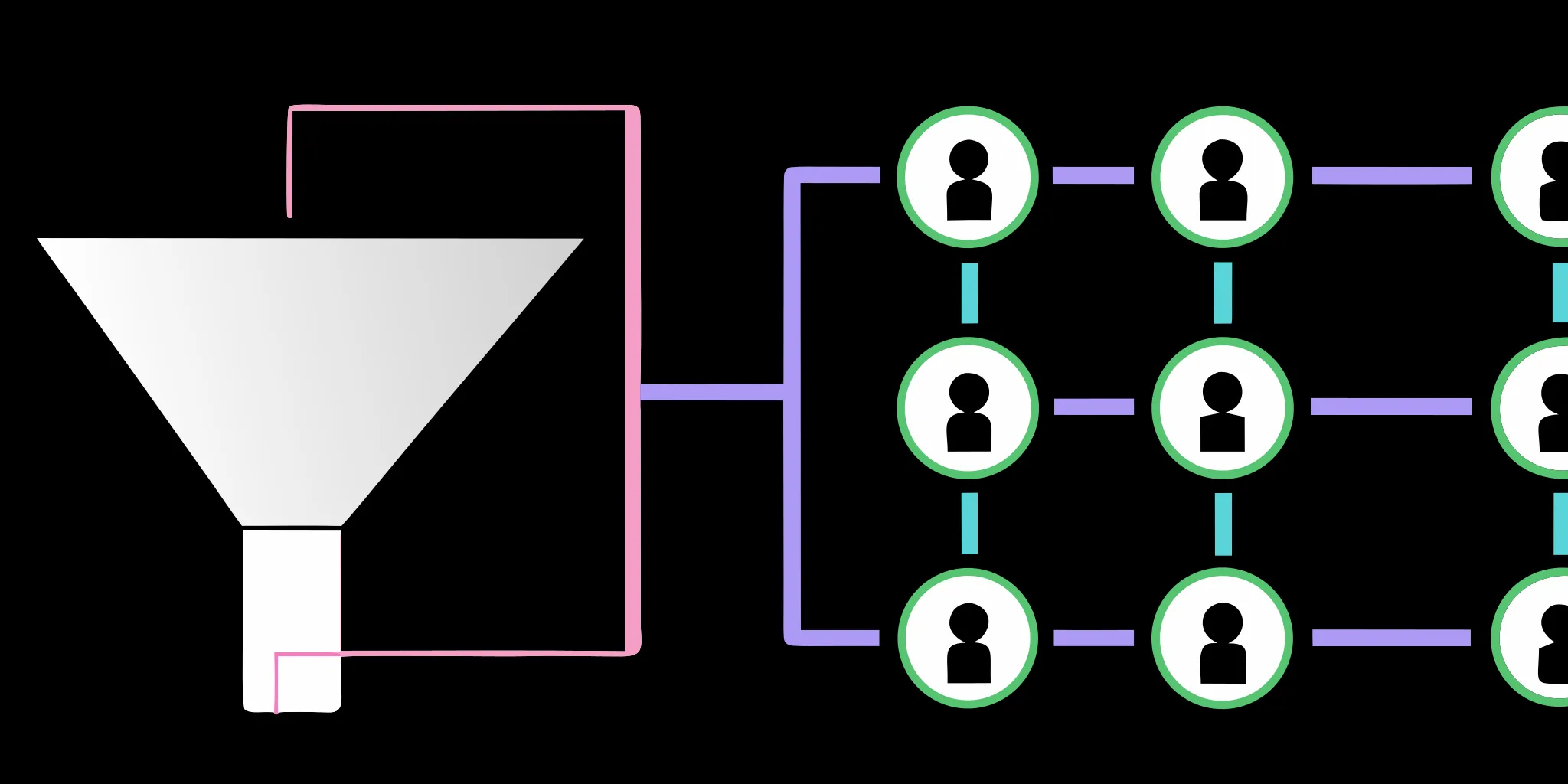
So, what exactly is data normalization? In the simplest terms, it’s the process of structuring your database to reduce data redundancy and improve data integrity. Let’s break that down. "Data redundancy" is when you store the same piece of information in multiple places. "Data integrity" is the overall accuracy, completeness, and consistency of your data. Normalization organizes your data into separate, related tables to ensure each piece of information lives in only one place.
Imagine your supporter database is a messy filing cabinet. You have one giant folder for each donor, and every time they donate, you stuff a new piece of paper in with all their contact information repeated. If a donor moves, you have to find every single paper to update their address. Database normalization is like giving that cabinet a new system with separate, linked folders for "Donor Info" and "Donation History." It’s a practical approach that makes your data more efficient and reliable.
How It Tidies Up Your Supporter Data
Clean data helps your organization focus on the right donors, improve retention, and make more informed decisions. Normalization is the process that gets you there. By structuring your data logically, you create a single source of truth for every supporter, which is crucial for building genuine, one-to-one relationships.
For example, instead of having a donor’s name and address listed next to every single donation they’ve ever made, normalization separates that information. You’d have one table with donor contact details and another with donation records, linked by a unique ID. If a supporter updates their email, you only have to change it in one spot. This simple change eliminates inconsistencies and ensures your team can trust the information they use to engage donors. This level of CRM hygiene is what allows you to segment audiences effectively and personalize your fundraising asks.
Why Clean Data is a Game-Changer for Fundraising
Your donor data is more than just a list of names and numbers; it’s the foundation of your entire fundraising strategy. When that data is clean, organized, and reliable, you can build stronger relationships, personalize your outreach, and make smarter decisions. But when it’s messy, you end up wasting time, missing opportunities, and potentially frustrating the very people you’re trying to connect with. It’s the difference between knowing your supporters and just knowing of them.
Think of it this way: you can’t build a meaningful connection with a supporter if you can’t remember their name or their giving history. Clean data ensures you have a clear, complete picture of every person who supports your cause. This allows you to move beyond generic appeals and create the kind of personalized experiences that turn one-time donors into lifelong advocates. Investing a little time in tidying up your database isn't just an IT task; it's one of the most impactful things you can do to prepare your fundraising for growth. It directly impacts your ability to segment audiences, report on campaign success, and ultimately, raise more for your mission.
Stop Storing Duplicate Donor Information
Does your database have entries for "Jane Doe," "J. Doe," and "Janie Doe," all with the same address? These are duplicate records, and they can cause major headaches. When you have multiple entries for the same person, you get a fragmented view of their relationship with your organization. You might not realize that the person who donated $25 last week is the same person who volunteered for you last year. This makes it impossible to thank them properly or understand their true value. Duplicates also waste resources. You might send multiple copies of the same direct mail piece to one household or skew your analytics, making it harder to see what’s actually working. Cleaning up this data by creating a single, unified record for each supporter saves money and gives you a much clearer picture of your community.
Ensure Your Supporter Data is Accurate and Reliable
Nothing damages a donor relationship faster than getting the small details wrong. Addressing a long-time supporter by the wrong name or sending them a welcome email as if they’re a brand new donor can make your organization seem disorganized and impersonal. Strong data quality means your team can trust the information they’re using to engage supporters, process gifts, and make strategic decisions. When your data is accurate, you can confidently personalize your outreach. This is especially critical for building genuine, 1:1 relationships with your supporters through channels like social media. Reliable data ensures that every message you send is relevant and respectful of that supporter’s unique history with your cause, strengthening their trust and loyalty over time.
Quickly Find the Information You Need
Imagine trying to find a specific file in a room full of unlabeled, overflowing cabinets. That’s what it’s like working with a disorganized database. When your data is messy, simple tasks like pulling a list of everyone who donated to last year’s gala can become a time-consuming manual project. You waste precious hours hunting for information that should be readily available. A clean, normalized database organizes information into logical, linked groups. This structure makes it easy to find exactly what you need, when you need it. You can quickly segment your audience for targeted campaigns, generate accurate reports in minutes, and spend less time wrestling with spreadsheets. This efficiency frees up your team to focus on what really matters: connecting with supporters and advancing your mission.
Common Data Headaches That Normalization Solves
Have you ever felt like you’re fighting with your own supporter data? You try to update a donor’s address in one place, only to find the old one still popping up somewhere else. Or maybe you can’t add a new volunteer to your system because they haven’t made a donation yet. These aren’t just random frustrations; they’re symptoms of a disorganized database. In the world of data management, these issues are called “anomalies,” and they can seriously get in the way of effective fundraising and building genuine connections with your community. When your data is messy, it’s hard to personalize your outreach or even get a clear picture of who your supporters are.
Think of data normalization as the professional organizer for your database. It systematically arranges everything so that each piece of information has a single, logical home. This process directly tackles those frustrating anomalies, preventing errors before they happen. Instead of having supporter details scattered across different records and tables, normalization creates a clean, efficient structure. By cleaning things up, you create a reliable system that saves your team time, reduces costly mistakes, and ensures you can trust the information you’re looking at. Let’s walk through some of the most common data headaches and see exactly how normalization provides the cure.
The Trouble with Adding New Donor Records
Imagine you meet an enthusiastic new volunteer who wants to get involved, but they haven't made a financial contribution yet. You go to add them to your database, but the system won't let you create a new contact without a "last donation amount." This is a classic example of an "insert anomaly." It happens when your database structure forces you to enter unrelated information just to create a new record. Normalization fixes this by separating different types of data into their own tables. For example, volunteer information would live separately from donation information, allowing you to add a new volunteer without needing a donation record attached.
The Risk of Inconsistent Supporter Updates
When a loyal supporter moves and tells you their new address, you want to make sure that change is reflected everywhere. But what if their address is stored in your donation records, your event attendance list, and your email marketing platform? If you forget to update even one of them, you create an "update anomaly." This leads to inconsistent data, wasted postage, and a frustrating experience for your supporter. A normalized database ensures that a piece of information like an address exists in only one place. When you update that single record, the change is automatically reflected everywhere it’s referenced, keeping your data integrity intact.
The Danger of Accidentally Deleting Key Information
A "deletion anomaly" is one of the scariest data headaches because it can cause you to lose important information by accident. For example, say a supporter participated in your annual charity walk three years ago and hasn't engaged since. You decide to clean up your event list and delete their entry for that walk. But if your database is poorly structured, deleting that one event record might also delete the supporter’s entire contact profile, including their history as a past donor. Normalization prevents this by keeping related but distinct information separate. You could delete the event record without ever risking the supporter’s core contact information in your donor database.
A Simple Guide to the "Normal Forms"
When you start reading about data normalization, you’ll quickly run into the term “normal forms.” It sounds technical, but don’t let the name intimidate you. Think of normal forms as a series of steps or rules for tidying up your database, much like organizing a messy closet. Each step builds on the last one, making your data progressively cleaner and more efficient.
For most nonprofits, understanding the first three forms is more than enough to make a huge difference in how you manage supporter information. Going through these steps helps eliminate redundant data, which means you’ll have a more reliable and streamlined system for tracking donations, event attendance, and communications. Let’s walk through what each of these rules means for your donor data.
First Normal Form (1NF): The Basics
The first rule is all about making sure your data is atomic, meaning each cell in your table holds only one single piece of information. Imagine a spreadsheet where you list a donor’s name and then cram all their donation amounts into one box: "$50, $100, $25." This breaks the first rule. Instead, each donation should get its own row.
First Normal Form (1NF) also requires that every row has a unique identifier, known as a primary key. This could be a unique Donor ID number. This ensures you can always pinpoint a specific record without any confusion. It’s the foundational step for creating an organized database where every piece of data has its own distinct place.
Second Normal Form (2NF): Removing Redundancies
Once your data meets the 1NF rules, the next step is to tackle redundancies. Second Normal Form (2NF) is focused on ensuring that all the information in a table is fully dependent on the primary key. This sounds complicated, but it’s really about splitting your data into separate, related tables.
For example, say you have a table tracking event attendees, and the primary key is a combination of "Donor ID" and "Event ID." If you also include the "Event Name" and "Event Date" in that same table, you’ll be repeating that event information for every single person who attended. 2NF says you should move the event details into a separate "Events" table. This way, you only have to list the event information once, making your data much cleaner and easier to update.
Third Normal Form (3NF): Tidying Up the Details
Third Normal Form (3NF) takes organization a step further by removing what’s called “transitive dependency.” In simple terms, this means that the columns in your table should only depend on the primary key, not on each other.
Let’s say your donor table includes the donor’s city, state, and zip code. The state and city are dependent on the zip code, not directly on the Donor ID. If a zip code’s designated city changes, you’d have to update it for every single donor in that zip code. 3NF solves this by suggesting you create a separate "Zip Codes" table. Your donor table would only need the zip code, which then links to the correct city and state. This makes your donor data management more efficient and accurate.
Boyce-Codd Normal Form (BCNF): The Final Polish
Think of Boyce-Codd Normal Form (BCNF) as a stricter, more refined version of 3NF. It handles certain complex situations that 3NF might miss, ensuring there are absolutely no dependency-related anomalies left in your data. For the vast majority of nonprofits, reaching 3NF is the main goal and provides all the organization you’ll need.
Consider BCNF the final, deep-cleaning step that’s only necessary for very intricate database structures. Unless you’re a data scientist working with highly complex datasets, you likely won’t need to worry about this one. Focusing on getting your data into 3NF will put you in a fantastic position to maintain a clean, reliable, and powerful supporter database.
How to Normalize Your Donor Database
Ready to get your donor data in order? The process of normalization might sound technical, but it’s really just a logical way of tidying up your information so it’s easier to use. Think of it as creating a smart, organized filing system for your supporter data instead of stuffing everything into one giant, messy drawer. By breaking down your data into smaller, related groups, you make it more accurate, reduce errors, and set your team up to find exactly what they need, when they need it. This structured approach is the key to turning raw data into meaningful insights that can shape your fundraising strategy.
Your Step-by-Step Guide
Getting started with normalization is a step-by-step process of organization. First, identify every single piece of data you collect on your supporters, from names and emails to donation amounts and event attendance. Next, group related information together. For example, all contact details go in one group, and all donation records go in another. Then, you’ll create separate tables for each of these groups. The final, crucial step is to establish links between these tables so you can still see how everything connects. This ensures that a donor’s contact information is always tied to their giving history, even though they are stored separately.
Finding How Your Data Points Relate
Before you can organize your data, you need to understand it. The goal is to see how different pieces of information support your fundraising efforts. A data-driven fundraising strategy helps your organization focus on the right donors, improve retention, and identify new supporters. To do this, you need to see the connections. For instance, a donor’s name and address are directly related to them as an individual. Their donation amount, date, and the campaign they gave to are all related to a specific transaction. Recognizing these natural groupings is the first step in creating a clean, logical database structure that truly works for you.
Putting the Rules into Practice
Once you’ve identified your data relationships, it’s time to organize them into separate tables. Instead of one massive spreadsheet with repetitive information, normalization involves splitting data into logical tables (like "Donors," "Donations," and "Campaigns") and connecting them. For example, the "Donations" table won’t contain the donor’s name and address; instead, it will have a unique Donor ID that links back to the "Donors" table. This practice of creating clean, normalized data reduces redundancy and makes your database much easier to manage. When a supporter updates their address, you only have to change it in one place, ensuring consistency across all their records.
The Pros and Cons of Normalizing Your Data
Deciding to normalize your donor data is a big step, and it’s smart to look at the full picture before you begin. Think of it like a major spring cleaning for your supporter database. The end result is a beautifully organized system, but it takes some planning and effort to get there. Understanding both the benefits and the potential hurdles will help you make the best choice for your nonprofit and ensure your team is ready for the process. It’s all about weighing the long-term gains in efficiency and insight against the short-term investment of time and resources.
The Upside: A Cleaner Database and Better Insights
The biggest win from normalizing your data is creating a single source of truth. When your data is clean and organized, you can finally say goodbye to redundant information and messy records. This process dramatically improves your CRM hygiene and makes your entire database more reliable. Instead of having a supporter’s information scattered across multiple entries, normalization links everything together logically. This means updating a donor's address or communication preference is a simple, one-time fix. A tidy database is also a faster database, which means you can pull reports and segment your audience for targeted outreach in a fraction of the time, leading to more effective fundraising.
The Trade-Offs: What to Consider
While the benefits are significant, it’s important to be realistic about the process. Normalizing your data isn’t an overnight fix, especially if you’re working with a very large or complex database. The initial setup requires a thoughtful investment of time to map out your data structure and clean up existing records. Another consideration is that running complex reports can take slightly longer. Because normalized data is stored across multiple linked tables, your system has to scan multiple data tables to pull everything together. It’s a minor trade-off for having incredibly organized, reliable data that prevents major errors down the line.
Common Myths About Data Normalization, Busted
Let’s clear the air on a few misconceptions about data normalization. First, many people think it’s a one-and-done task you only do when creating a database. In reality, it’s a core part of your ongoing database design and maintenance strategy. Another common myth is that normalization gets rid of all data redundancy. Its actual goal is to reduce unnecessary repetition, but some planned redundancy is needed to link your tables together. Finally, you might hear that over-normalizing is always a bad thing. While it’s possible to create a system that’s too complex, finding the right level of normalization is absolutely essential for protecting your data’s integrity.
Challenges to Expect When Cleaning Your Data
Getting your donor data in order is a huge step forward, but let’s be real: the process isn’t always a straight line. Normalizing your database involves more than just technical know-how. It means untangling some very human habits and system quirks that have built up over time. Knowing what to expect can help you prepare for these hurdles and create a solid plan to clear them, turning potential headaches into major wins for your fundraising strategy. Think of it as a spring cleaning for your data; it takes effort, but the result is a much more organized and effective space to work in.
Tackling Inconsistent Data Entry Habits
One of the biggest challenges comes from inconsistent data entry. Maybe one team member enters "St." for "Street," while another writes it out. Or perhaps different date formats are used across your records. These small variations seem minor, but they add up, creating duplicate records and making it difficult to segment your audience accurately. Strong data quality ensures your team can trust the information they use to engage donors and make decisions. The key is to create and share a simple data entry guide that everyone can follow. This helps standardize how information is recorded from day one, making future cleanups much easier.
Combining Data from Different Fundraising Tools
Your nonprofit likely uses a variety of tools to connect with supporters, from email platforms and event software to social media channels. Each system collects data, but they don't always speak the same language. This can leave you with siloed information and an incomplete picture of your donors. Data-driven fundraising involves using insights from all these sources to guide your strategy. The challenge is to merge this information into a single, reliable database. Normalization helps you create that unified view, so you can see a supporter’s full journey, whether they gave through a Facebook Challenge or responded to an email appeal.
Getting Your Team on Board
Data cleaning is a team sport. You can have the best technical plan in the world, but it won’t stick without buy-in from everyone who touches your data. The good news is that most fundraising teams understand the importance of data. One study found that 93% of teams are familiar with using data for decision-making. The real work is in building consistent habits and reinforcing the "why" behind the process. Healthy data is a reliable foundation for everything you do, from personalizing outreach to forecasting revenue. By providing clear training and showing how clean data leads to stronger donor relationships, you can get everyone excited to be part of the solution.
When is the Right Time to Normalize Your Database?
Deciding to normalize your database isn't just a technical task; it's a strategic move that can completely change how you approach fundraising. The truth is, there’s no single "right time" that fits every nonprofit. The decision depends on the complexity of your data, the size of your team, and the specific challenges you're facing. Think of it less as a rigid rule and more as a solution you can turn to when your data starts creating more problems than it solves. The key is to understand the signs that your current system is holding you back and to know when a simpler approach might actually be better for your goals.
Scenarios Where Normalization is a Must
If you’re constantly wrestling with your data, it’s probably time to normalize. One of the biggest red flags is dealing with data anomalies, like updating a donor's address in one place but seeing the old address pop up somewhere else. Proper data management is essential to avoid these kinds of problems down the road. When your team can't trust the information in your system, it becomes nearly impossible to make informed decisions.
You absolutely need to consider normalization if your fundraising efforts are being hampered by messy data. Using clean data helps your organization focus on the right donors, improve retention, and identify new supporters. If you're struggling to pull accurate reports, segment your audience for personalized outreach, or get a clear picture of a donor's giving history, normalization will bring the clarity you need.
When It's Okay to Keep Things Simple
While a clean database is always the goal, full normalization isn't always necessary, especially if your needs are straightforward. For smaller nonprofits with less complex data, a simple, flat-file structure (like a single spreadsheet) can work just fine. If your main goal is to run quick, high-level reports, a fully normalized database can sometimes slow things down. This is because the computer has to look in several different tables to pull all the information together.
In some cases, teams intentionally choose to not fully normalize their data, a practice known as "denormalization." This is often done to make reporting faster by keeping related information grouped together, even if it means having some redundant data. If your database is small, manageable, and serving your immediate needs without causing major errors, you can hold off on a full normalization project.
Finding the Right Balance for Your Nonprofit
For most nonprofits, the best approach lies somewhere in the middle. You don't need a perfectly normalized database from day one, but you do need a plan for maintaining data quality. Strong data quality ensures your team can trust the information they use to engage with supporters, process donations, and guide your strategy. The goal is to create a system that is both organized and practical for your team's day-to-day work.
Start by identifying your biggest data pain points. Are duplicate entries causing confusion? Is inconsistent data entry making it hard to segment your lists? Focus on normalizing the parts of your database that will have the biggest impact on your fundraising. Normalization is a beneficial process because it reduces data duplication and shrinks your database size, which directly improves performance. By finding the right balance, you can build a reliable system that supports your mission without overcomplicating your workflow.
Tips for a Smooth Normalization Process
Diving into a data normalization project can feel like a huge undertaking, but it doesn’t have to be overwhelming. Think of it as a spring cleaning for your donor data. With a clear plan and a few best practices, you can streamline the process and set your team up for success. The key is to be methodical and intentional. By breaking the project into manageable steps, you can create a database that is not only clean and organized but also a powerful asset for your fundraising efforts. These tips will help you get there with fewer headaches along the way.
Map Out Your Database Structure First
Before you move a single piece of data, take the time to create a blueprint for your new database. This is the most critical step for a successful normalization. Start by identifying the main categories of information you track, like donor details, donation records, and campaign information. The goal is to split this data into separate, related tables. For instance, you’ll have one table for donor contact information and another for their individual donation history, linked by a unique donor ID. This approach, known as creating a relational database, makes managing your data much simpler. When information is properly organized, updating or removing a record in one place won’t accidentally cause problems somewhere else.
Set and Maintain Clear Data Quality Rules
Once your data is organized, you need to keep it that way. This is where data quality rules come in. These are simply agreed-upon standards for how your team enters information. For example, will you use "St." or "Street"? Will state names be abbreviated or spelled out? Deciding on these conventions and documenting them in a simple style guide prevents inconsistencies that can corrupt your data over time. As one expert notes, "Strong data quality ensures your team is able to trust the information they use to engage donors, process gifts, and make decisions." Consistent data is trustworthy data, which is the foundation of any effective fundraising strategy.
Test and Validate Your New Setup
After you’ve mapped out your structure and set your rules, it’s time to test everything. Don’t wait until you’ve moved all your data to find out something is broken. Create a small-scale version of your new database and run it through its paces. Try adding new donors, updating contact information, and pulling reports on donation history. Ask a few team members to use the test database for their daily tasks. This trial run helps you catch any design flaws or usability issues before you commit to the new system. A well-structured database is a powerful tool for making informed decisions, and taking the time to validate your setup ensures that tool is sharp and ready to use.
Related Articles
- Donor Loyalty Program Software: A Complete Guide
- 10 Best Donor Retention Platforms (2025 Review)
- How to Segment Donors for Nonprofits: 4 Strategies
- 8 Best Fundraising Software for Nonprofits (2025)
Frequently Asked Questions
What’s the difference between just cleaning my data and actually normalizing it? That’s a great question because the two are closely related but solve different problems. Think of data cleaning as fixing the symptoms: you go through your list to merge duplicate entries, correct typos, and standardize addresses. Normalization, on the other hand, is about fixing the root cause. It changes the structure of your database to prevent those kinds of errors from happening in the first place. Cleaning is a reactive task you have to do over and over, while normalization is a proactive step to build a healthier, more reliable system.
This sounds like a lot of work. Is it something our small team can handle on our own? It can feel like a big project, but it's definitely manageable, even for a small team. You don't have to do everything at once. The best approach is to start with your biggest pain points. Are duplicate donor records causing the most confusion? Start there. The most important part is creating a clear plan and a simple data entry guide that everyone on your team can follow. It's an investment of time upfront that will save you countless hours of frustration down the road.
Our donor data is just in a big spreadsheet. Does normalization still apply to us? Absolutely. The principles of normalization are all about logical organization, and they work just as well for spreadsheets as they do for complex databases. Instead of creating separate tables, you can create separate tabs. For example, you could have one tab for all your supporter contact information and another tab for all donation records. You would then use a unique ID for each supporter to link their donations back to their contact info. This simple step can make your spreadsheet much easier to manage and far less prone to errors.
What's the single most important first step to take if we want to start normalizing our data? Before you touch any technology, grab a pen and paper or open a blank document. The most critical first step is to simply map out your data. Make a list of every single piece of information you collect about your supporters, from names and emails to event attendance and campaign sources. Then, start grouping related items together. This non-technical planning phase helps you see the logical connections in your data and gives you a clear blueprint for how to structure your database before you start making changes.
Will normalizing our data make it harder to pull quick reports? This is a common concern, and there's a grain of truth to it. Because normalized data is stored in separate, linked tables, a complex report might take a fraction of a second longer to run as the system pulls information from multiple places. However, the trade-off is enormous. The reports you generate will be incredibly accurate and reliable because you've eliminated the inconsistencies and duplicate records that skew your results. You can trust the numbers you're seeing, which is essential for making smart fundraising decisions.